
Beautiful Plants For Your Interior
Beautiful Plants For Your Interior
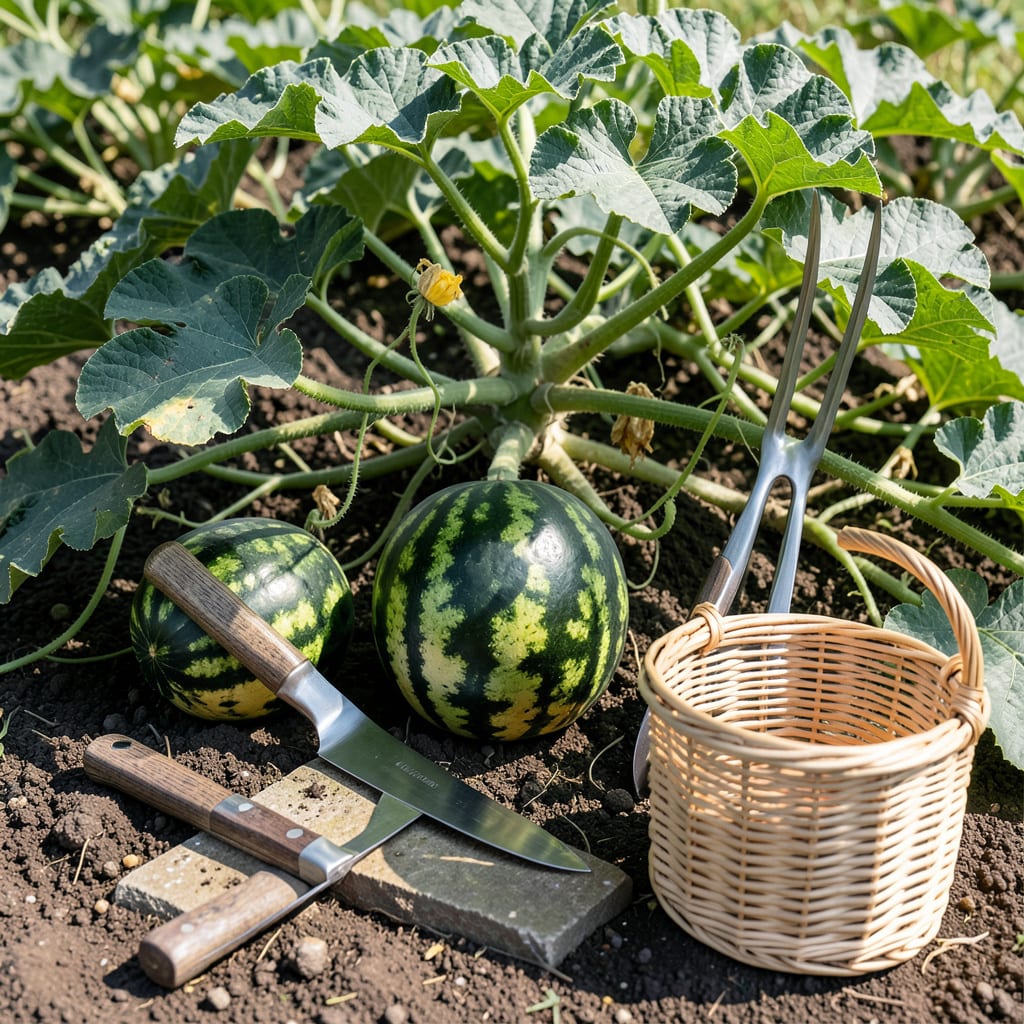
There’s nothing worse than cutting into a homegrown 🍉 watermelon only to find it underripe—or worse, overripe and mushy. After months of tending your vines, nailing the perfect harvest moment feels like the ultimate gardening victory.
I’ve wasted too many watermelons guessing wrong, but the ground spot trick and hollow sound test changed everything. Let me show you exactly how to spot the 3 key signs of ripeness—so you’ll never second-guess again.


If you’ve ever tapped a watermelon and wondered what that sound actually means, you’re not alone. The thump test is my go-to method for confirming ripeness, but it takes practice to interpret correctly. A deep, hollow sound signals sweetness, while a metallic “ping” means it needs more time.
Here’s the trick: use your knuckles (not fingertips) and tap near the center of the melon. Listen for a low-pitched echo—like a bass drum—that vibrates through the rind. Unripe melons sound higher-pitched, almost like tapping a basketball. I always test multiple melons to compare sounds.
💡 Pro Tip: Record sounds on your phone to compare later!
The science behind this? As watermelons ripen, their internal structure changes—the flesh softens and seeds loosen, creating that hollow resonance. I’ve found this method works best on larger varieties like Crimson Sweet, while smaller types (like Sugar Baby) can be trickier to judge by sound alone.
Common mistake alert: Don’t confuse a dull thud with ripeness! That sound often means the melon is overripe and mushy inside. If you’re unsure, pair the thump test with visual cues like the ground spot color we covered earlier. Double-checking saves disappointment.
For seedless varieties, the thump test is even more critical since they lack the tendril drying clue. These melons often ripen slightly earlier, so start testing at 70 days after flowering. When in doubt, I harvest one test melon first to gauge the batch’s readiness.
Remember, practice makes perfect! The more watermelons you thump, the better you’ll recognize that golden hollow sound. And if you’re growing multiple varieties, keep notes—each type has its own subtle sound profile. Happy harvesting! 🪴
Not all watermelons ripen the same way—what works for a Sugar Baby might mislead you with a Carolina Cross. I’ve grown all three and learned that variety-specific cues make the difference between a perfect pick and a disappointing one. Let’s break it down. 🪴
For example, Sugar Baby melons mature faster (around 75 days) and develop a deep yellow ground spot when ripe. Meanwhile, Crimson Sweet takes longer (up to 90 days) and often shows a more subtle cream-colored spot. These details matter!
| Variety | Days to Maturity | Ground Spot Color | Rind Texture |
|---|---|---|---|
| Sugar Baby | 70-75 | Deep yellow | Dull, slightly rough |
| Crimson Sweet | 80-90 | Creamy yellow | Dull, smooth |
| Carolina Cross | 85-100 | Golden yellow | Very rough |
*Tip: Seedless varieties often ripen 5-7 days earlier than seeded types.
I always check the tendril near the stem too—it should be brown and crispy for most varieties. But here’s the catch: Carolina Cross tendrils dry out before the fruit is fully ripe, so I rely more on the ground spot and thump test for that one. 🌱
Size matters as well. A ripe Sugar Baby typically weighs 8-12 lbs, while a Crimson Sweet can hit 20-25 lbs. If your melon is undersized, give it a few more days—unless the vines are dying back, which means it’s now or never. ✂️
Finally, don’t forget the thump test varies slightly by variety. A Sugar Baby will sound higher-pitched when ripe compared to the deep bass of a Carolina Cross. Practice makes perfect, so thump a few melons at different stages to train your ear! 💧
Trust the tendril first—it’s the most reliable indicator. If it’s still green and flexible, your watermelon needs 3-5 more days of sun. The ground spot can darken prematurely from soil moisture or heat, so always cross-check with the thump test for confirmation.
Unlike tomatoes, watermelons won’t ripen further after picking. Once separated from the vine, their sugar content and texture are locked in. If you harvest early, expect bland flavor and crisp (not juicy) flesh. Always wait for the hollow sound and creamy yellow spot.
This happens with seedless varieties or in humid climates. The thump test can be misleading if the melon is overwatered—try checking the ground spot color (should be deep yellow) and rind texture (dull, not shiny). When in doubt, harvest one test melon to gauge the batch.
Once fully ripe, watermelons hold well on the vine for 3-5 days in dry weather. But if rains are forecasted or temps drop below 50°F, harvest immediately to prevent splitting or flavor loss. Overripe melons develop a dull thud when thumped and may crack open.
