
Beautiful Plants For Your Interior
Beautiful Plants For Your Interior
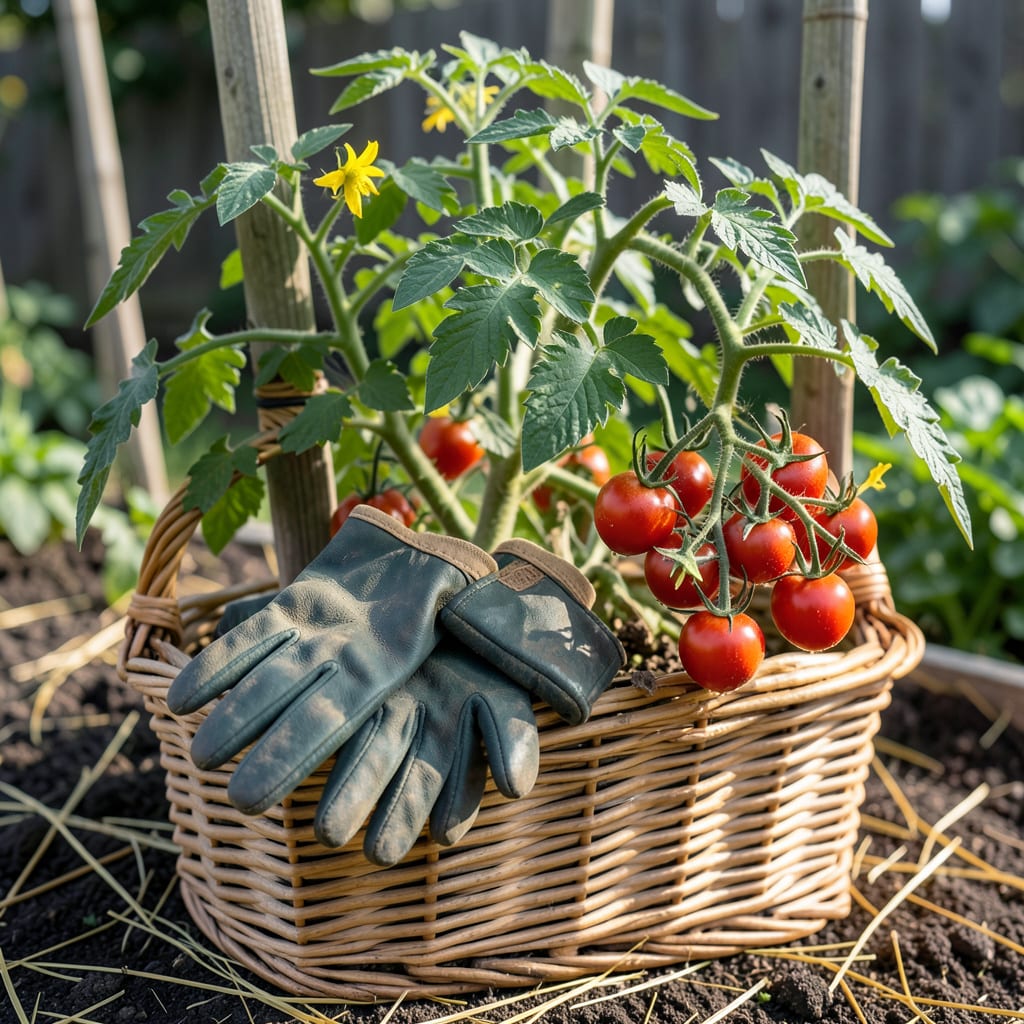
There’s nothing worse than cutting into a tomato you’ve nurtured for months—only to find it mealy or tasteless. The difference between perfectly ripe and past its prime often comes down to just a few days.
I’ve spent seasons watching my 🍅 plants like a hawk, and the secret isn’t just color—it’s a mix of texture, scent, and even how the stem behaves. Let me show you the three foolproof signs that’ll take the guesswork out of your harvest.


I’ve lost count of how many gardeners I’ve seen stare at their tomato plants, wondering if that deep red orb is actually ready—or if it’ll taste better in two more days. Here’s the truth: color alone lies. A tomato can look ripe but still taste tart if the texture isn’t right.
The secret? Combine three foolproof checks: color depth, skin texture, and stem separation. Miss one, and you might end up with a mealy Beefsteak or a cracked Cherry tomato. Let’s break down what each sign really looks like—no guesswork.
Pro Tip: For green tomatoes (like ‘Green Zebra’), check texture—ripeness isn’t about color!
First, let’s talk color depth. A ripe tomato isn’t just red—it’s uniform. Heirlooms like ‘Brandywine’ turn deep pink, while ‘Sun Gold’ cherries glow orange-gold. But here’s the catch: green shoulders near the stem mean it’s not ready, even if the bottom looks perfect.
Next, the squeeze test. Gently press the tomato with your fingertips. It should yield slightly, like a well-ripened peach. Too firm? It’s still starching out sugars. Too soft? You’ve waited too long—expect a mushy texture. Beefsteaks and paste tomatoes (like Roma) need this test most.
Finally, the stem test. Hold the tomato and give it a gentle twist. If it pops off with minimal effort, it’s ready. If you’re yanking, walk away. Forcing it damages the plant and leaves a raw stem scar. I’ve seen gardeners lose entire trusses by pulling too hard—don’t be that person!
Here’s where most folks mess up: relying on color alone. Green varieties like ‘Aunt Ruby’s German Green’ stay green when ripe! Instead, look for a creamy yellow tint and that telltale softness. Same goes for purple tomatoes—they darken but won’t turn “red-purple.”
Climate plays a sneaky role too. In hot, dry summers, tomatoes ripen faster but can develop leathery skin. In cool, wet weather, they might stay firm longer. If your harvest window is nearing (check your seed packet’s “days to maturity”), start testing daily. A sunny morning is ideal—tomatoes are plumpest then.
Still unsure? Use the aroma test. Lean in and sniff the stem end. Ripe tomatoes smell sweet and earthy, like a vine-ripened grocery store tomato (but better). If it smells grassy or like nothing, give it another day. This trick saved my ‘Black Krim’ harvest last year—no more bland tomatoes!
Remember: Tomatoes don’t ripen on the counter like bananas. Once picked, they soften but won’t get sweeter. That’s why nailing the harvest moment is everything. When in doubt, pick one test tomato, slice it, and taste. If the seeds are gelatinous and the flesh bursts with juice, the rest are ready.
I’ll let you in on my dirty little secret: I keep a harvest journal. Every year, I note which varieties ripened first, how the weather affected them, and which signs were most reliable. Last season, my ‘Sungold’ cherries were ready 5 days earlier than the seed packet claimed—all thanks to a heatwave.
Your turn! Grab a notepad, head to your garden, and run these three tests on a few tomatoes. Compare notes over the next few days. You’ll start spotting the differences like a pro—and your BLTs will thank you. 🌱
If you’ve ever stood in your garden wondering why your Brandywine tomatoes still have green shoulders while your Sun Golds are already falling off the vine, you’re not alone. Different varieties ripen in unique ways—some change color gradually, while others soften almost overnight.
Climate plays a role too. In hotter zones, tomatoes may ripen 10-14 days faster than in cooler areas. That’s why I always recommend checking your plants daily as harvest time approaches. A quick glance at this chart will save you from guessing games.
| Variety | Days to Maturity | Ripeness Cues | Climate Note |
|---|---|---|---|
| Beefsteak | 80-90 days | Deep red, slight give, no green shoulders | Needs consistent heat; slow in cool summers |
| Roma | 70-80 days | Firm, bright red, easy stem separation | Thrives in hot, dry climates |
| Sun Gold (Cherry) | 55-65 days | Golden-orange, slightly translucent, sweet aroma | Ripens fast in heat; pick daily |
| Green Zebra | 75-85 days | Light green with dark stripes, yields to pressure | Color doesn’t change much; rely on touch |
| Brandywine (Heirloom) | 85-100 days | Pink-red, shoulders turn pale, heavy for size | Needs long season; start indoors early |
Notice how cherry tomatoes like Sun Gold ripen much faster than beefsteaks? That’s because their smaller size means less time to mature. I once made the mistake of waiting for my cherries to turn deep red—only to find them overripe and split after a rainstorm.
For green varieties like Green Zebra, color isn’t reliable. Instead, press gently near the stem—if it yields slightly like a ripe avocado, it’s ready. Heirlooms often have “shoulders” (the area near the stem) that lighten as they ripen, so check there first.
Pro tip: If your summer is scorching, tomatoes may develop yellow or orange patches before fully ripening. This is sunburn, not ripeness! Pick them early and let them finish indoors in a paper bag with a banana to speed things up.
Still unsure? Snap a photo of your tomato each day for 3-4 days and compare the changes. You’ll start to see the subtle shifts in color and sheen that signal peak ripeness. Trust me, your taste buds will thank you for the patience! 🌱
Timing your tomato harvest isn’t just about flavor—it’s about texture, shelf life, and even how well they’ll store. Pick too soon, and you’ll get a hard, mealy bite that lacks sweetness. Wait too long, and you’re racing against splits, rot, or hungry critters.
I learned this the hard way with my first Brandywine harvest. Eager to beat the squirrels, I picked them at the first blush of pink—only to end up with tomatoes that tasted like watery cardboard. Meanwhile, the ones I left too long turned to mushy puddles after a sudden rainstorm.
If you’ve already picked underripe tomatoes, don’t panic. Place them in a paper bag with an ethylene-producing fruit (like a banana or apple) at room temperature. Check daily—they’ll ripen in 3-5 days without losing too much flavor.
For overripe tomatoes, your best bet is to process them immediately. Blend into sauces, dry in a dehydrator, or freeze for later. I once salvaged a batch of split Roma tomatoes by roasting them with garlic and olive oil—they made the best pasta sauce of the season!
Still unsure? Here’s my rule of thumb: When in doubt, pick one test tomato and slice it open. If the seeds are gel-filled and the flesh is uniform in color, the rest are ready. If not, give them 24-48 hours and check again. Your patience will pay off in flavor! 🌿
For green tomatoes like ‘Green Zebra’, skip color checks and focus on texture. Gently squeeze near the stem—it should yield slightly like a ripe avocado. Also, look for a creamy yellow tint developing underneath the green.
Yes! Pick tomatoes at the first sign of color change and place them in a paper bag with a banana or apple. The ethylene gas will ripen them in 3-5 days at room temperature. Avoid refrigeration—it ruins texture and flavor.
Splitting usually happens after heavy rain or uneven watering following a dry spell. The fruit expands too quickly for the skin. To prevent it, maintain consistent moisture and harvest at the first split signs. Overripe tomatoes are more prone to this.
Watch for soft spots, wrinkled skin, or a fermented smell near the stem. Overripe tomatoes often feel heavier than they look and may start to leak juice. If squirrels or birds are pecking at them, that’s another clear sign!
Harvest in the early morning when temperatures are cool. Tomatoes are plumpest then, and the stems separate more cleanly. Avoid picking in midday heat—they’ll be stressed, and the fruit may bruise easier.
