
Beautiful Plants For Your Interior
Beautiful Plants For Your Interior
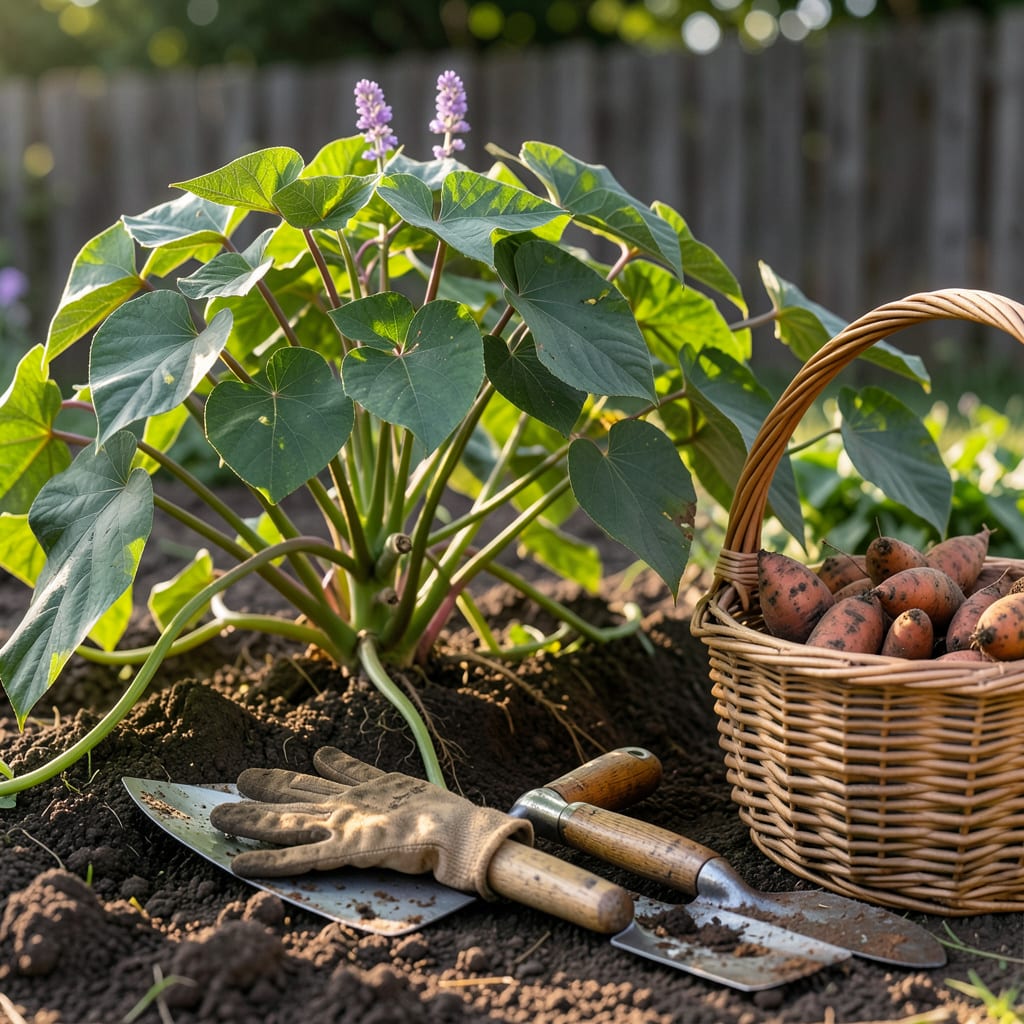
Timing your sweet potato harvest can feel like solving a puzzle—dig too soon, and you’ll get undersized tubers; wait too long, and you risk rot or pest damage. The difference between a perfect harvest and a disappointing one often comes down to two simple signs: vine dieback and skin toughness.
After months of tending your crop, the last thing you want is to guess wrong. I’ll show you exactly how to read your plants’ cues—no fancy tools required. Whether you’re a first-time grower or looking to refine your technique, these proven indicators will take the uncertainty out of harvesting.


After 90–120 days of patient growing, your sweet potatoes are finally nearing their grand finale. But how do you know they’ve crossed the finish line? The secret isn’t just in the calendar—it’s in the vines, skin, and size. Let’s break down the three fail-proof signs I rely on every season.
First, forget the myth that all vines must be completely dead. While some dieback is normal, many modern varieties stay partially green at maturity. Instead, focus on the leaves turning yellow and the vines slowing growth. This shift signals the plant is redirecting energy to the tubers below.
The skin set test is my non-negotiable step. I always dig up a single “test potato” from the edge of the row. If the skin rubs off like a new potato, it’s too early. If it stays intact like a store-bought spud, you’re good to go. This test beats guessing every time.
Don’t overlook the weather forecast. Sweet potatoes hate cold soil—if nights dip below 55°F (13°C) for a week, harvest immediately, even if vines are still green. Cold temps halt sugar development and can cause internal rot during storage. Trust the thermometer over the calendar!
Size matters more than you think. While giant sweet potatoes look impressive, they often turn starchy and fibrous. Aim for tubers 3–5 inches long—these have the best texture and flavor. If most of your crop hits this size, it’s time to dig, even if a few vines are still clinging to green.
Here’s a pro tip: Harvest on a dry day when the soil is moist but not soggy. Wet soil makes tubers harder to clean and more prone to rot. I like to dig in the early morning when temps are cool but the ground isn’t damp from dew. Your back (and your sweet potatoes) will thank you!
If you’re growing multiple varieties, note that some mature faster than others. ‘Georgia Jet’ might be ready in 90 days, while ‘Beauregard’ often needs 100+ days. Keep records each year to fine-tune your timing. I jot down harvest dates in my gardening journal—it’s the best way to improve next season’s crop.
Still unsure? Try the “vine lift test”: Gently lift a vine near the base. If the tubers detach easily with minimal resistance, they’re mature. If they cling tightly, they need more time. This method works especially well for bushier varieties where vines hide the tubers’ true size.
Remember, sweet potatoes won’t ripen after digging like tomatoes. Once they’re out of the ground, their flavor and texture are locked in. That’s why nailing the harvest window is so critical. When in doubt, err on the side of waiting—just don’t let frost catch you off guard! 🌱
Harvest timing isn’t just about yield—it directly impacts flavor, texture, and storage life. I’ve seen gardeners rush to dig up tubers at the first sign of yellowing, only to end up with starchy, underwhelming sweet potatoes. On the flip side, waiting too long invites pests and rot.
The ideal harvest window is surprisingly narrow—usually just 2-3 weeks when all signs align. During this period, the tubers convert starches to sugars, developing that rich, sweet flavor we love. Miss it, and you’ll taste the difference. Let’s break down what happens when timing goes wrong.
Picking too early is the most common mistake I see. Those tiny tubers might look cute, but they lack the sugar development that happens in the final weeks. The skin hasn’t toughened up either, making them vulnerable to bruising and disease during curing.
Wait too long, and you’ll deal with cracked skins from over-expansion or pest damage as critters sense the tubers’ sweetness. I once left a patch in the ground 3 weeks past prime—half were ruined by wireworms. Lesson learned: when the vines die back 30-50% and skins resist scratching, it’s go time.
Here’s my rule of thumb: if you’re unsure, dig one test tuber from the edge of the plant. Check its size, skin toughness, and color. If it’s at least 3 inches long with firm skin, the rest are ready. If not, rebury it and wait 5-7 days before testing again. This small step saves entire harvests! 🌱
Remember, soil temperature trumps calendar dates. When nights dip below 55°F (13°C) for a week, harvest even if vines are green. Cold soil stops tuber growth and triggers internal rot. Trust the plant’s signals and your thumb test—your taste buds will thank you later! ☀️
When the vines start yellowing and the soil feels cooler, it’s tempting to grab your fork and start digging. But I’ve learned that pro gardeners rely on a few sneaky tests to confirm readiness—beyond just visual cues. These tricks save you from disappointing harvests.
One of my favorites is the “thumb pressure test”. Gently press your thumbnail into the skin of a test tuber. If it resists scratching and leaves no mark, the skin has set—meaning the tubers are ready. If it peels or dents easily, give them another 1-2 weeks.
Avoid These Harvest Myths
❌ “Frost makes them sweeter”—actually, frost damages tubers and ruins storage life. Dig before the first frost hits.
❌ “Bigger is always better”—overgrown sweet potatoes turn fibrous and starchy. Aim for 3–5 inches in length.
❌ “All vines must die back”—some varieties stay green. Use the skin test instead for accuracy.
The “vine pull test” is another pro move. Grab a vine near the base and tug gently. If it snaps easily with minimal resistance, the plant is redirecting energy to the tubers—a sign they’re maturing. If the vine stretches or bounces back, the tubers need more time.
For the bold, try the “sample dig”. Carefully uncover the edge of a hill and check a single tuber. Look for uniform size (at least 3 inches long) and firm skin. If it passes, the rest are likely ready. If not, rebury it and wait. This method beats guessing!
Finally, watch the weather forecast. If nighttime temps drop below 55°F (13°C) for a week, it’s time to harvest—even if vines are still green. Cold soil halts tuber growth and can lead to rot in storage. Trust the tests, not just the calendar! 🌱
Don’t panic! Some varieties stay green even when tubers are ready. Use the skin test: gently scratch a tuber’s surface. If it resists, they’re mature. If vines are still vigorous and skin scratches easily, wait 1-2 more weeks.
Never. Frost damages tubers, making them rot-prone in storage. Harvest immediately if frost is forecasted, even if vines look healthy. Cold soil below 55°F (13°C) halts growth and risks spoilage. Better to pick early than lose your crop!
Try the “sample dig” trick: carefully uncover one tuber at the edge of the plant. Look for firm skin and 3+ inch size. If it passes, the rest are likely ready. Rebury it if not, and check again in a week.
This usually happens when picked too early. Underdeveloped tubers lack sugars and starches. Always wait for vine dieback and skin set. If you must harvest early, cure them at 85°F (29°C) for 10 days to improve flavor.
