
Beautiful Plants For Your Interior
Beautiful Plants For Your Interior
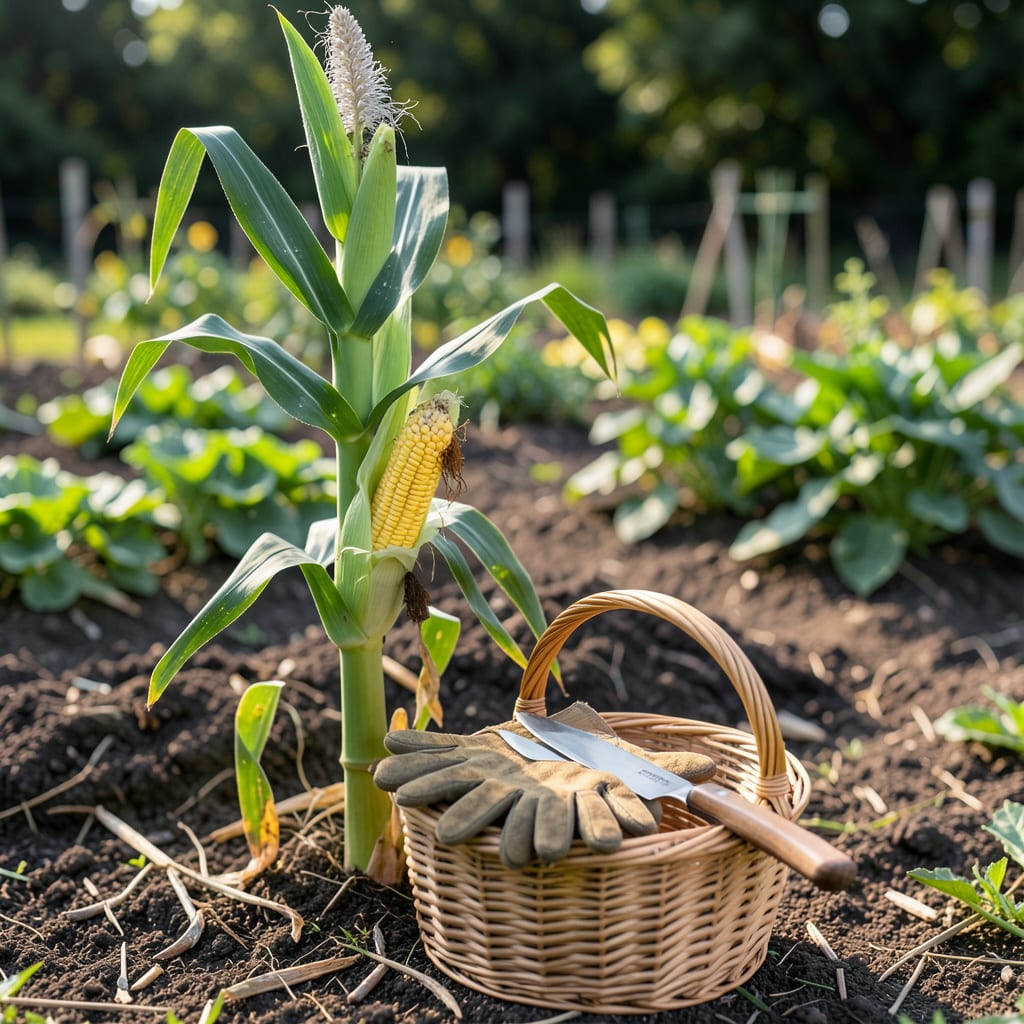
There’s nothing quite like biting into a perfectly ripe ear of 🌽 Sweet Corn—sweet, juicy, and bursting with flavor. But timing that harvest just right? That’s where even experienced gardeners second-guess themselves.
Skip the guesswork with one foolproof trick (and a few telltale signs) that’ll have you picking at peak ripeness every time. I’ll walk you through the kernel squeeze test and other can’t-miss clues—so you never end up with starchy or underdeveloped ears again.


If you’ve ever bitten into starchy, tough sweet corn, you know the disappointment of harvesting too late. The kernel squeeze test is my go-to method for perfect timing—no guesswork, just juicy results. This simple trick reveals whether your corn is at its sweet, milky peak or past its prime.
Here’s the secret: pierce a kernel with your fingernail. If the liquid is clear and watery, it’s too early. If it’s thick and creamy, you’ve hit the sweet spot. If it’s doughy or dry, you’ve waited too long. I’ll walk you through the exact steps to master this test.
💡 Pro Tip: Perform this test in the early morning when kernels are most hydrated for accurate results.
The squeeze test works because sweet corn’s sugar content peaks just before the kernels start converting sugars to starch. This window is surprisingly short—often just 2-3 days. That’s why checking daily once your corn is close to maturity is crucial for catching it at its best.
I’ve found that early-morning harvests yield the sweetest corn because the sugars haven’t had time to break down in the day’s heat. If you can’t pick immediately, store ears in the coolest part of your fridge with husks on to preserve sweetness.
Many gardeners make the mistake of waiting for the husks to turn completely brown, but by then it’s often too late. The squeeze test is more reliable than visual cues alone. I recommend starting to test 20 days after silks appear, as this is when most varieties begin ripening.
For super-sweet varieties like ‘Peaches and Cream’ or ‘Kandy Korn’, the milky stage lasts slightly longer, giving you a 4-5 day harvest window. Traditional varieties like ‘Silver Queen’ convert to starch faster, so check them every 1-2 days once they’re close.
Remember that weather affects ripening: Hot, dry conditions can speed up the process, while cool, wet weather may slow it down. Adjust your testing frequency accordingly. I keep a gardening journal to track when each variety hits its peak in my specific climate.
If you’re growing multiple varieties, label your plants with their expected days to maturity (usually listed on seed packets). This helps you prioritize which ears to test first. I use colored flags—red for early varieties, yellow for mid-season, and green for late-season corn.
After mastering the squeeze test, you’ll never again serve disappointing, starchy corn. The difference between perfectly timed and overripe corn is like comparing fresh-picked berries to store-bought—once you’ve tasted corn at its peak, you’ll be hooked on getting the timing just right every year. 🌽
While the kernel squeeze test is my go-to method, I always double-check with these visual cues before harvesting. The silk color is your first clue—it should be dark brown and completely dry, not green or damp. This signals the kernels have finished developing.
Next, look at the ear’s position. Ripe sweet corn ears typically droop downward at a 45-degree angle, while immature ones stand upright. The husk tightness matters too—it should feel snug but not rock-hard, with slight browning at the tip.
⚠️ Warning: Overripe corn has dull, dented kernels and loose husks.
I’ve found that morning harvesting gives the sweetest flavor, as sugars convert to starches later in the day. If you’re growing early-season varieties like ‘Bodacious,’ these signs appear around 60-65 days after planting. Late-season types like ‘Silver Queen’ may take 80-90 days.
Don’t forget to check multiple ears—corn on the same stalk can mature at slightly different rates. I gently peel back a small section of husk to inspect the top kernels, which ripen first. If they’re plump and release milky liquid, the rest of the ear is ready.
Weather plays a role too. Hot, dry spells can speed up maturity, while cool, wet weeks may delay it. I keep a garden journal to track these patterns year to year. Remember, corn stops sweetening once picked, so timing is everything for that perfect farm-fresh crunch.
After harvesting, I immediately chill the ears to preserve sweetness. For storage, keep husks on and refrigerate for up to 3-5 days. For longer keeping, blanch and freeze within hours of picking. Nothing beats the taste of corn harvested at its peak!
Not all sweet corn varieties ripen at the same time—some are ready in 60 days, while others need 90 days or more. Knowing your variety’s timeline helps you plan the kernel squeeze test at the right moment. Early types like ‘Early Sunglow’ mature fast, while late-season giants like ‘Silver Queen’ take their time.
I always mark my calendar with the days-to-harvest range from the seed packet. For example, ‘Bodacious’ (a mid-season favorite) typically hits peak sweetness around 75 days. If you planted in late May, that means checking ears in mid-August. Weather plays a role too—hot summers speed things up, while cool spells delay maturity.
| Variety | Days to Harvest | Flavor Profile | Best For |
|---|---|---|---|
| Early Sunglow | 60-65 | Sweet, tender kernels | Quick harvests, short seasons |
| Bodacious | 75-80 | Extra-sweet, juicy | Home gardens, freezing |
| Silver Queen | 90-95 | Classic corn flavor | Late-season planting |
*Days to harvest are approximate—adjust for your climate and growing conditions.
For early varieties, start testing kernels around day 55—they can go from underripe to overripe in just 2-3 days. Late-season types like ‘Ambrosia’ give you more wiggle room, but don’t wait too long. Overmature corn gets starchy and tough, losing that coveted sweetness.
If you’re growing multiple varieties, stagger planting dates by 2 weeks to avoid a harvest glut. I like pairing ‘Peaches and Cream’ (80 days) with ‘Honey & Pearl’ (70 days) for a steady supply. Remember, cooler climates may extend maturity times, so keep an eye on those silk colors and ear angles.
Once you’ve nailed the timing, harvest in the early morning for the best flavor. Sweet corn converts sugars to starch quickly after picking, so I rush mine straight to the ice bath if I’m not eating it immediately. Pro tip: If squirrels or raccoons are a problem, harvest as soon as it’s ripe—they love sweet corn as much as we do! 🌽
Start testing 20 days after silks appear, then check daily. The perfect harvest window is surprisingly short—often just 2-3 days. Early varieties may need daily checks starting at day 55.
Weather affects timing: hot spells speed ripening, while cool weeks slow it. I set phone reminders to test every morning once my corn is close.
You can, but morning harvests yield sweeter corn. Sugars convert to starches as the day warms, so corn picked at dawn stays sweeter longer. If evening is your only option, refrigerate immediately.
I keep a cooler with ice in the garden during harvest season for this exact reason. The difference in flavor is noticeable!
Clear liquid means it’s not ready yet. Wait 2-3 more days and test again. The milky stage is what you want—this indicates peak sweetness. Underripe corn will taste bland and watery.
Check the silks too—they should be completely brown and dry when ready. Patience pays off with perfect flavor!
Overripe corn has dented kernels that release no liquid when pierced. The husks become loose, and the silks may fall off completely. The flavor turns starchy and tough—far from that juicy sweetness.
If you spot these signs, harvest immediately for cooking (it’s still edible) or feed to livestock. Next year, test a few days earlier!
