
Beautiful Plants For Your Interior
Beautiful Plants For Your Interior
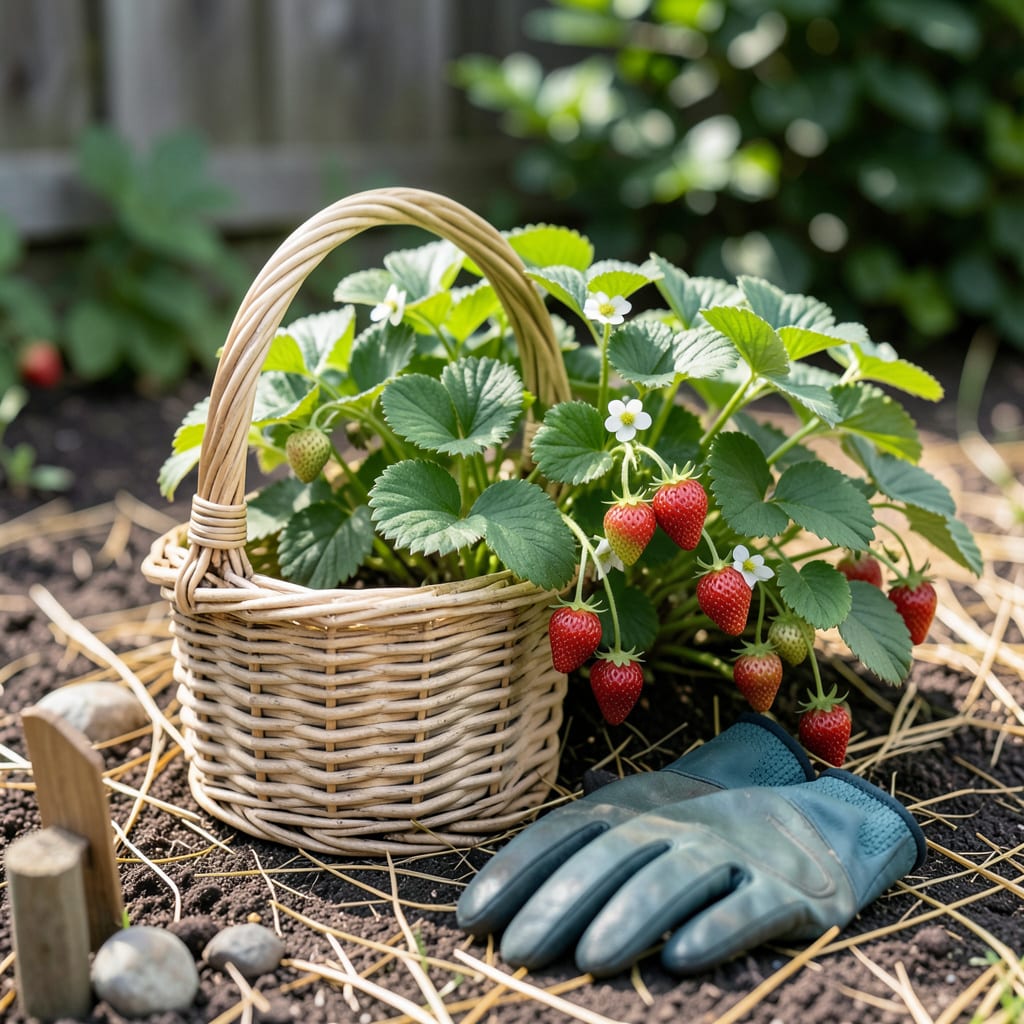
There’s nothing quite like the taste of a strawberry picked at its peak—juicy, sweet, and bursting with flavor. But how do you know when that perfect moment arrives? Timing is everything, and missing it means settling for tart or mushy fruit.
I’ve spent seasons testing the easiest visual and touch tricks to guarantee ripe strawberries every time. Whether you’re a first-time gardener or a seasoned pro, these simple cues will take the guesswork out of your harvest. Let’s make sure every 🍓 you pick is worth savoring.


Nothing beats the thrill of spotting that first perfectly ripe strawberry in your garden. But how do you know it’s truly ready? I’ve learned that color alone can deceive—there are three key visual cues that never fail me. Let’s break down what to look for beyond just redness.
The most reliable indicator is uniform color without any white or green patches. A ripe strawberry should be deep red from tip to stem, though some varieties like ‘Albion’ may have slightly lighter shoulders. I always check the area near the stem cap—if it’s still pale, the berry needs more time.
Look for solid red from tip to stem cap. The shoulders (top area) should match the body color, not stay pale.
The green calyx leaves should be fresh and upright. If they’re wilted or brown, the berry may be overripe or damaged.
Berries should reach their full expected size for the variety. ‘Chandler’ strawberries grow larger than ‘Alpine’ types, so know your plant’s norms.
I always examine berries in natural daylight—artificial light can distort colors. Hold the fruit up to the sky to check for any hidden green patches. The underside often ripens last, so give it a gentle turn to inspect all angles before picking.
Here’s a trick I learned: compare berries from different parts of the plant. Those receiving full sun typically ripen faster than shaded ones. I’ve noticed that berries tucked under leaves might need an extra day to develop that perfect color.
Remember that variety affects appearance. Everbearing strawberries like ‘Seascape’ often have a glossier finish when ripe, while June-bearing types like ‘Jewel’ develop a slightly matte appearance. I keep photos of each variety at peak ripeness on my phone for quick comparison.
Watch for the “halo effect”—when the area around the stem cap lightens slightly. This subtle change signals the berry has reached maximum sugar content. I’ve found this particularly useful with day-neutral varieties that produce continuously.
Don’t overlook the stem attachment. A ripe strawberry should come away with a gentle twist, leaving the stem cap intact. If you’re tugging hard, the berry isn’t ready. I use this as my final confirmation before picking.
After harvesting, I always do a quick quality check. Perfectly ripe strawberries will have a slight sheen and feel heavy for their size. If they look dull or feel light, they either need more time or were picked too late.
Mastering these visual cues takes practice, but soon you’ll spot ready berries at a glance. The reward? That first bite of sun-warmed, perfectly ripe strawberry straight from your garden. It’s worth every moment of careful inspection! 🌱
I’ll let you in on a secret: the finger test is my foolproof way to judge strawberry ripeness. While color is important, the real magic happens when you gently press the berry. A perfectly ripe strawberry should yield slightly under pressure—like a ripe avocado—but never feel mushy or soft.
Here’s how to do it: place the berry between your thumb and forefinger, then apply light pressure. If it resists completely, it needs more time. If it feels like a water balloon about to burst, you’ve waited too long. The sweet spot is when it gives just enough to feel tender but still holds its shape.
⚠️ Warning: The Overripe Trap
Strawberries that feel too soft or squishy are past their prime. These berries often develop mold faster and lose their signature sweetness. Always pick in the morning when berries are firmest for the most accurate test.
Pro tip: compare berries from different parts of your plant. Those in full sun often ripen faster than shaded ones. I’ve noticed that berries hidden under leaves might need an extra day or two to reach the same firmness level as their sun-exposed neighbors.
Remember that variety matters too. June-bearing strawberries tend to have a firmer texture at peak ripeness compared to everbearing types. I keep a small notebook to track which varieties in my garden pass the finger test earliest—it helps me plan my harvest schedule better each year.
After picking, handle your strawberries with care. Their delicate skin bruises easily, especially when perfectly ripe. I always place them in a shallow container rather than piling them up. This preserves that ideal texture you worked so hard to achieve through the finger test.
Once you master this technique, you’ll never again wonder if a strawberry is ready. The finger test takes the guesswork out of harvesting and ensures every berry you pick delivers that burst of sunshine strawberries are famous for. 🌱
Not all strawberries ripen on the same schedule. The type of plant you’re growing determines when you’ll see fruit—and how often. June-bearing varieties give you one big harvest, while everbearing and day-neutral types produce in waves. Know your variety to avoid missing the window.
Climate plays a role too. In cooler zones, strawberries may take 7-10 extra days to ripen compared to warmer areas. I always mark my calendar 4-6 weeks after flowering begins—that’s when I start checking daily. The “7-day rule” for day-neutral varieties means scanning plants weekly for new ripe fruit.
| Variety | Harvest Window | Key Timing Tip |
|---|---|---|
| June-Bearing | 2-3 weeks in early summer | Pick all ripe fruit daily during peak |
| Everbearing | Spring, summer, fall flushes | Check plants every 5-7 days |
| Day-Neutral | Continuous until frost | Use the “7-day rule” for new fruit |
Popular Varieties: ‘Albion’ (day-neutral), ‘Seascape’ (everbearing), ‘Chandler’ (June-bearing)
For June-bearing plants like ‘Chandler’, expect a 2-3 week rush of fruit in early summer. I set aside time each morning during this period to harvest—strawberries ripen quickly! Everbearing types like ‘Seascape’ produce three main flushes: spring, summer, and fall. The gaps between mean you’ll need to stay vigilant.
Day-neutral varieties are my favorites for extended harvests. Plants like ‘Albion’ keep producing until frost if temperatures stay between 35-85°F. The trick? Check plants every 7 days for new ripe berries. I use a color-coded twist tie system to mark checked plants and avoid missing any.
Remember that first-year plants often produce less fruit. Don’t be discouraged—it’s normal! Focus on removing the first few flowers to encourage stronger root growth. By year two, you’ll see a noticeable increase in yield. And always harvest in the morning when berries are coolest for best flavor and shelf life.
Pro tip: Keep a harvest journal noting when each variety starts and ends production. Over time, you’ll create a personalized schedule that accounts for your microclimate. This data becomes invaluable for planning succession plantings or adjusting varieties to extend your strawberry season.
Even fully red berries can be tart if picked too early. Check the calyx (green cap)—if it’s still tightly attached, wait another day. Morning sunlight also boosts sweetness, so harvest after 10 AM for best flavor.
For June-bearing varieties, check daily during peak season. Everbearing types need weekly scans, while day-neutral plants benefit from the “7-day rule.” I use colored twist ties to mark checked plants and avoid missing ripe berries.
Wait until berries dry to prevent mold growth. Wet fruit bruises easily and spoils faster. If rain is forecast, harvest ripe berries beforehand. Morning dew is fine—just handle gently with a soft touch.
Sun exposure makes the difference! Berries in full sun ripen 2-3 days ahead of shaded ones. Also, plants near concrete or south-facing walls get extra warmth, speeding up ripening. Rotate containers weekly for even sun distribution.
Don’t wash them until ready to eat! Store unwashed in a single layer on paper towels in the fridge for 3-5 days. For longer storage, freeze whole on a tray before bagging. Room temperature works for same-day eating.
