
Beautiful Plants For Your Interior
Beautiful Plants For Your Interior
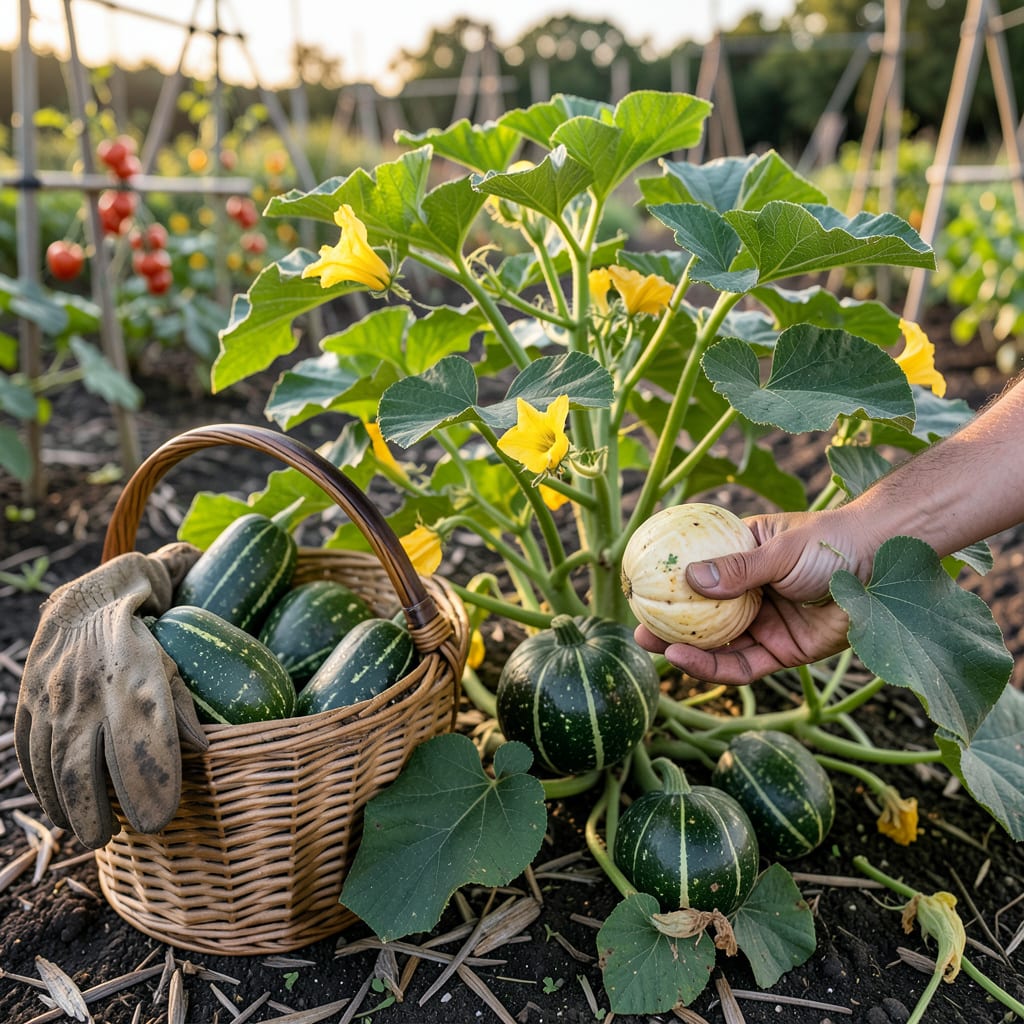
There’s nothing worse than cutting into a squash you’ve nurtured for months—only to find it stringy, bitter, or underdeveloped. Yet most gardeners guess at harvest time, missing the simple signs that separate mediocre produce from sweet, tender perfection.
I’ve spent seasons testing the foolproof tricks (like the nail-test pros swear by) to pinpoint that ideal window. Whether you’re growing zucchini or butternut, I’ll show you exactly what to look for—so you never second-guess your 🎃 squash again. Let’s get it right the first time.


I’ve seen too many gardeners stare at their squash plants wondering, “Is it ready yet?” The secret lies in a mix of visual cues and physical tests—not just size. Summer squash like zucchini or yellow crookneck demand early picking, while winter varieties like butternut need patience.
My go-to trick? The thumbnail test. Press your nail into the rind: if it leaves a mark, wait. If it resists, you’re golden. But that’s just the start—let’s break down the five foolproof signs for every squash type, from glossy skin to stem dryness, so you never second-guess again.
| Sign | Summer Squash (Zucchini, Yellow) | Winter Squash (Butternut, Acorn) |
|---|---|---|
| Size | 6–8 inches long ✅ | 8–12 inches diameter 🌈 |
| Skin Texture | Tender, punctures easily 🔘 | Hard, resists nail test ✅ |
| Stem Condition | Green, flexible 🟢 | Brown, dry, corky 🟤 |
| Color | Bright, glossy 🎨 | Deep, uniform (no green streaks) |
| Sound Test | N/A (pick young) | Hollow thud when tapped ✅ |
Pro Tip: Harvest summer squash every 2–3 days in peak season—they grow shockingly fast! Winter squash can stay on the vine until the first light frost (but not a hard freeze).
For summer squash, I always err on the side of picking early. A 6-inch zucchini is tender and sweet, but wait until it’s baseball-bat sized, and you’ll be chewing on seeds. Check the skin too—it should shine like it’s been polished, not look dull or waxy.
Winter squash tells a different story. That hard rind isn’t just for show—it’s your cue that sugars have developed fully. I tap mine like a melon: a deep, hollow sound means it’s ready. No echo? Give it more time. And don’t twist the stem! Use pruning shears to leave 1–2 inches attached for storage.
Here’s where most gardeners trip up: assuming all squash follow the same rules. Spaghetti squash needs to turn a golden yellow, while acorn squash should be dark green with orange patches. Hybrid varieties? Check your seed packet for days to maturity—it’s your backup timer.
Ever heard the “nail test” debated? Here’s how I do it right: Press your thumbnail into the rind with moderate pressure. If it pierces easily, wait 2–3 days. If it barely leaves a dent, harvest winter squash immediately. Summer squash should dent slightly but not break—think ripe avocado firmness.
Don’t forget the stem test for winter squash! A green, moist stem means the plant’s still feeding the fruit. Once it’s dry and brown, the squash is self-sufficient and ready for your pantry. I’ve ruined batches by picking too soon—underripe squash won’t cure properly and rots faster.
Climate plays a sneaky role too. In hot, dry summers, squash matures faster—check daily! Cool, wet years? Add 5–7 extra days. And watch for frost warnings: A light frost sweetens winter squash, but a hard freeze turns them to mush. I toss a row cover over mine if temps dip below 32°F.
First-time grower? Start with zucchini—it’s forgiving. Pick when it’s smaller than your forearm, and you’ll avoid the bitter, seedy monsters lurking in overgrown fruits. For butternut squash, wait until the skin turns tan and the vine starts to die back. That’s nature’s “all clear” signal.
Still unsure? Here’s my harvest cheat sheet: Zucchini/Yellow Squash: 45–55 days, 6–8 inches. Acorn: 70–85 days, dark green with orange spots. Butternut: 80–100 days, tan skin, dry stem. Spaghetti: 90–100 days, golden yellow, hard rind. When in doubt, harvest early—you can always let it cure indoors!
Timing your squash harvest perfectly starts with knowing whether you’re growing summer squash (like zucchini or yellow crookneck) or winter squash (like butternut or acorn). These two categories have completely opposite harvest rules—what’s ideal for one spells disaster for the other.
Summer squash demands early picking when the skin is still tender and the seeds are tiny. Winter squash, on the other hand, needs to fully mature on the vine until the rind hardens and the stem dries out. Let’s break down the key differences so you never confuse the two again.
| Squash Type | Harvest Time | Size at Maturity | Key Sign |
|---|---|---|---|
| Zucchini | 45–55 days | 6–8 inches long | Skin punctures easily with nail |
| Yellow Crookneck | 50–60 days | 4–6 inches long | Neck curves fully, bright color |
| Butternut | 85–100 days | 8–12 inches long | Rind hard, stem brown and dry |
| Acorn | 80–90 days | 4–7 inches diameter | Deep green, no soft spots |
| Spaghetti | 90–100 days | 8–12 inches long | Golden yellow, hollow sound |
For summer squash, think small and tender. I harvest my zucchini when it’s about the size of a large pickle—any bigger and the seeds get tough. Yellow crookneck should have a fully developed curve and a glossy skin that’s still easy to nick with your nail.
Winter squash is the opposite: patience pays off. A butternut squash isn’t ready until the rind turns a deep tan and resists thumbnail pressure. The stem should be completely dry and woody. If you pick too early, it won’t store well and the flavor will be underdeveloped.
Climate plays a role too. In cooler zones, winter squash may need an extra week or two to fully mature. If frost threatens, harvest early and cure indoors. Summer squash, however, can’t handle frost at all—pick everything before temperatures drop below 50°F (10°C).
Pro tip: When in doubt, check the days-to-maturity on your seed packet and start testing a few days before that. For winter squash, I tap the fruit—if it sounds hollow, it’s ready. For summer squash, I do the nail test daily once they reach size.
Remember, hybrid varieties might not follow standard size rules. Always prioritize the skin hardness and stem condition over measurements alone. Your squash will tell you when it’s ready—you just need to know what to look for. 🎃
Timing your squash harvest isn’t just about flavor—it’s the difference between a storage-friendly crop and a compost-bound disaster. I’ve learned the hard way that picking summer squash too late turns it into a seedy, fibrous sponge, while snatching winter squash early leaves you with underdeveloped flesh that rots in weeks.
Let’s break down the real-world consequences of mistimed harvests—and how to salvage what you can. Because once you’ve grown a squash from seed to vine, you’ll want every bite to count. Here’s what happens when the timing’s off, plus my emergency fixes for less-than-perfect picks.
Fix it: Use underripe summer squash in stir-fries (it softens when cooked). Winter squash? Try roasting with oil/salt to concentrate flavors.
Fix it: Scoop out seeds from overripe squash and use flesh for soups or baking. Grate fibrous summer squash for fritters or breads.
💡 Pro Tip: Summer squash declines fast—harvest every 2–3 days in peak season. Winter squash can handle a light frost (it sweetens them!), but a hard freeze ruins texture.
With summer squash, the window is tight. Pick zucchini at 6–8 inches, and you’ll get buttery tenderness. Wait until it’s 12+ inches, and you’re stuck with a woody, seed-filled log. I once left a yellow crookneck on the vine for 10 days too long—it became a pest magnet overnight, split open, and attracted squash vine borers.
Winter squash is more forgiving but demands full maturity. A butternut squash picked early won’t develop its caramel-like sweetness or store past December. The stem test is non-negotiable: If it’s still green and flexible, walk away. I’ve lost entire batches to rot because I rushed harvest before the stems corked over.
Climate throws another wrench in the works. In hot, dry years, squash matures 10–14 days faster—so check daily! Cool, wet summers? Add a week to your timeline. And never ignore the first frost date. A light frost can sweeten winter squash, but a hard freeze (below 28°F) turns them to mush. I drape frost blankets over mine if temps dip below 32°F.
Here’s my emergency harvest guide for less-than-perfect squash: Overripe summer squash: Peel, deseed, and grate for baking (adds moisture to breads). Underripe winter squash: Roast at 400°F with olive oil to caramelize natural sugars. Split or damaged squash: Cut out bad spots and use immediately—don’t store.
For summer varieties like zucchini, check every 1-2 days—they grow shockingly fast! Winter squash can be monitored weekly once they near maturity. I set phone reminders during peak season to avoid missing the perfect window.
Summer squash won’t survive frost—pick everything before temps drop below 50°F. Winter squash actually sweetens with a light frost, but harvest before a hard freeze (28°F). Use frost blankets if early cold snaps threaten your crop.
Always use clean pruning shears or a sharp knife—never twist or pull! Leave 1-2 inches of stem on winter squash for storage. For summer squash, a quick snip at the base works. Dull tools crush stems, inviting disease.
Bitterness usually means it’s overripe or stressed from uneven watering. Summer squash left too long develops tough seeds and bitter flesh. Winter squash needs full maturity—underripe ones taste starchy. Consistent watering prevents stress-induced bitterness.
