
Beautiful Plants For Your Interior
Beautiful Plants For Your Interior
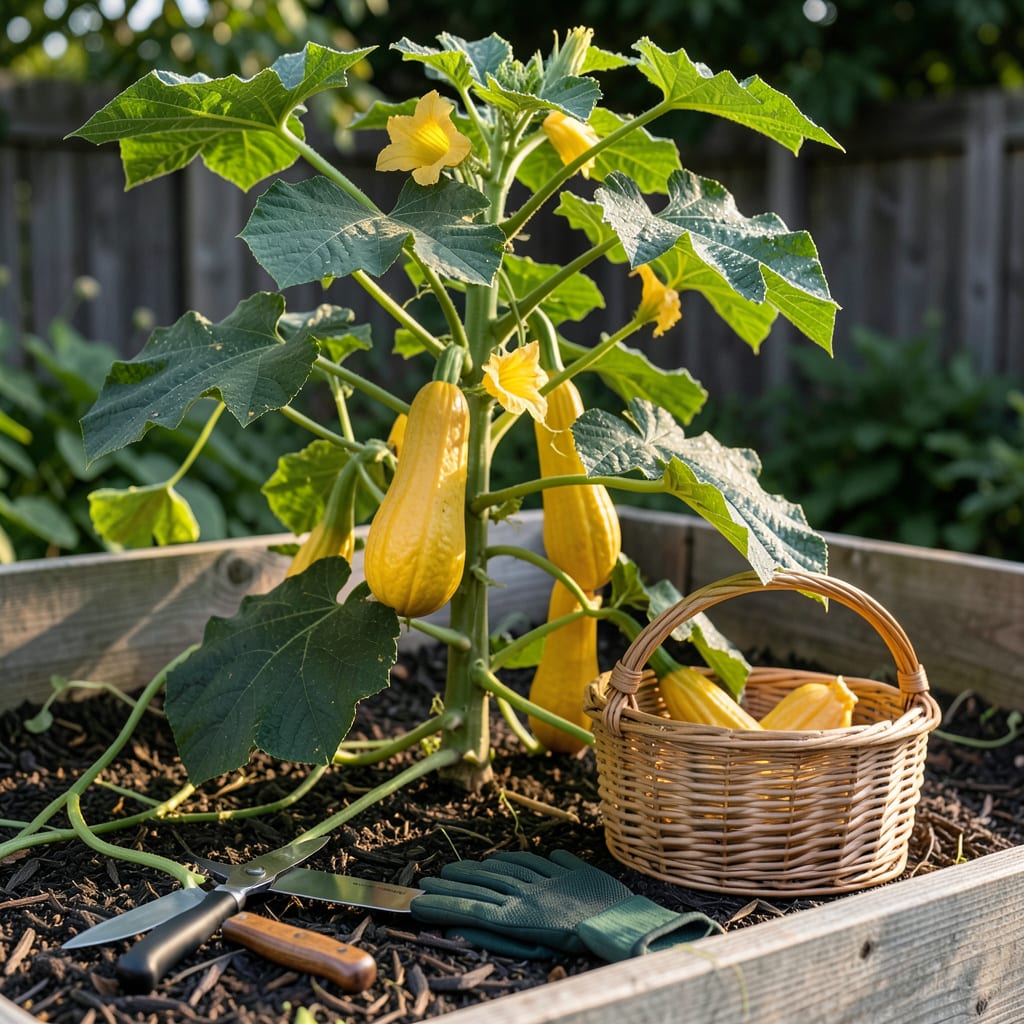
That moment when you stand in your garden staring at your 🎃 spaghetti squash, wondering if it’s ready—or if you’re about to ruin months of work—is more stressful than it should be. One wrong guess, and you’re stuck with either a rock-hard disappointment or a mushy mess.
I’ve been there, and here’s the good news: perfect timing isn’t luck. Three simple visual clues will tell you exactly when to pick—no guesswork, no wasted harvest. Let me show you what to look for and why these signs matter more than the calendar.


After 90 days of tending your vines, the final test is knowing exactly when to harvest. Forget counting days—your squash will tell you when it’s ready. The secret? Three physical changes that happen in perfect sequence when ripeness peaks.
I’ve ruined squash by harvesting too early (mushy strands) and too late (stringy texture). But once I learned to read these visual cues, my harvests became consistently perfect. Here’s what to watch for, in order of importance.
The rind shifts from pale yellow to a uniform golden hue. No green patches remain, and the color looks rich like a ripe cantaloupe. Pro tip: Check the side facing the sun first—it matures fastest.
Press your fingernail into the rind. If it leaves no mark (like a pumpkin), it’s ready. A dent means it needs 5–7 more days. This hardness protects the flesh inside during storage.
The stem turns brown and woody, often with tiny cracks near the base. If it’s still green or bends easily, wait. A dry stem means the squash has stopped drawing nutrients—critical for long-term storage.
Don’t rely on size alone—spaghetti squash can range from 2 to 5 pounds at maturity. Instead, combine all three signs for foolproof results. I check my patch every 3 days once the color starts deepening.
The nail test is my favorite trick because it’s objective. No more guessing if “golden” is golden enough! If your nail slides off without leaving a trace, you’re good to go. For extra confirmation, tap the squash—it should sound hollow, like a ripe melon.
Watch the vine leaves too. When they start yellowing or dying back, the plant is telling you it’s done nourishing the fruit. This often happens right as the stem dries out. It’s nature’s way of saying, “Harvest me now!“
If frost threatens before your squash is ready, harvest anyway—even if it’s not fully ripe. A light frost (30–32°F) can damage the rind, but the squash will still ripen indoors if the stem is mostly dry. Lay it in a sunny window for a week to finish.
I once left a squash on the vine 10 days too long because I waited for “perfect” color. Big mistake—the strands turned fibrous. Now I harvest at the first sign of all three cues, even if the color isn’t 100% uniform. Trust the process!
For storage success, leave 1–2 inches of stem attached when you cut. This prevents rot. Then cure the squash in a warm, dry place (75–80°F) for 10 days to toughen the skin before long-term storage. 🎃
Remember: Spaghetti squash won’t ripen further once picked, so timing is everything. When in doubt, harvest slightly early rather than late—you can always cure it longer, but you can’t fix overripe stringiness. Happy harvesting! 🌿
Timing your 🎃 spaghetti squash harvest isn’t just about flavor—it affects texture, storage life, and even how well it cooks. Pick too soon, and you’ll get a watery, underdeveloped interior that falls apart. Wait too long, and the flesh turns stringy or overly fibrous.
I’ve ruined entire batches by guessing wrong. The good news? Even if you miss the perfect window, there are ways to salvage your harvest. Let’s break down exactly what happens at each stage—and how to fix it if you’ve already picked.
If you’ve already picked too early, don’t panic. Place the squash in a sunny windowsill for 7-10 days to help it mature. The rind will harden slightly, and flavors will concentrate. For overripe squash, roast it immediately—the high heat softens tough fibers.
The stem condition tells you more than color. A green stem means the squash is still drawing nutrients. A dry, cracked stem signals it’s done growing. I once harvested a batch with mixed stem colors—only the fully dry ones stored past December.
Storage conditions matter more than you think. Perfectly timed squash kept in cool (50-55°F) and dry (60-70% humidity) conditions will last until spring. My basement shelf stays packed with squash well into March using this method.
Remember: size isn’t everything. A smaller squash with perfect rind hardness will outlast a giant one picked too soon. When in doubt, do the nail test—if your fingernail leaves no mark, it’s ready. That simple trick has saved me countless times. 🎃
When your 🎃 spaghetti squash starts changing color, it’s tempting to grab it immediately—but color alone isn’t enough. The real secret lies in combining rind hardness, stem condition, and uniform color for foolproof results. Let’s break down what each sign actually means.
First, forget the calendar. While most varieties mature in 80-100 days, your local weather and soil conditions can speed up or delay ripening. Instead, focus on these physical changes that nature provides as clear harvest signals. Here’s exactly what to examine:
Press your fingernail into the rind. If it resists puncturing like a ripe pumpkin, it’s ready. Soft rinds mean wait longer.
The stem should be dry, woody, and brown—not green. A cracking stem base is the ultimate readiness indicator.
Look for deep yellow or golden hue covering the entire squash. Green patches or pale spots mean it needs more sun.
I always do the fingernail test first because it’s the most reliable. If your nail leaves even a slight indentation, give it another week. Remember, squash continues ripening off the vine only if it’s already started the process—picking too early stops development completely.
The stem tells you more than you think. A green stem means the plant is still feeding the squash, while a dry, cracked stem shows the squash has received all the nutrients it needs. This is nature’s way of saying “I’m done growing!”
Color is the final confirmation. While some varieties have slight variations, all ripe spaghetti squash will have that rich golden tone. If you’re seeing stripes or uneven coloring, be patient—it’s not quite there yet. When all three signs align, you’ve got perfect timing.
Pro tip: Harvest on a dry, sunny morning when temperatures are above 50°F. This helps prevent mold during storage and ensures the squash cures properly for long-term keeping. Now you’re ready to enjoy your harvest for months to come! 🌿
Green patches mean it needs more time in the sun. Wait until the entire surface turns a deep golden yellow—this usually takes another 5-7 days of warm weather. If frost is coming, harvest and let it ripen indoors in a sunny spot.
Yes, but only if the rind has started hardening. Cut the squash with 2 inches of stem and cure it indoors at 80-85°F for 10 days. This mimics the final ripening process. Uncured squash won’t store well.
Overripe squash develops soft spots or the rind becomes dull. The stem may also detach completely. While still edible, the texture becomes stringy. Check daily once you hit 90 days from planting to avoid this.
Always use clean pruners to leave 1-2 inches of stem. Twisting can damage the squash and create entry points for mold. A proper stem helps with storage—never carry it by the stem, as this can cause internal bruising.
A hollow sound actually indicates perfect ripeness! This means the seeds have fully developed and the flesh is dry enough for those perfect “spaghetti” strands. Compare it to tapping a ripe melon—you want that same deep, resonant tone.
