
Beautiful Plants For Your Interior
Beautiful Plants For Your Interior
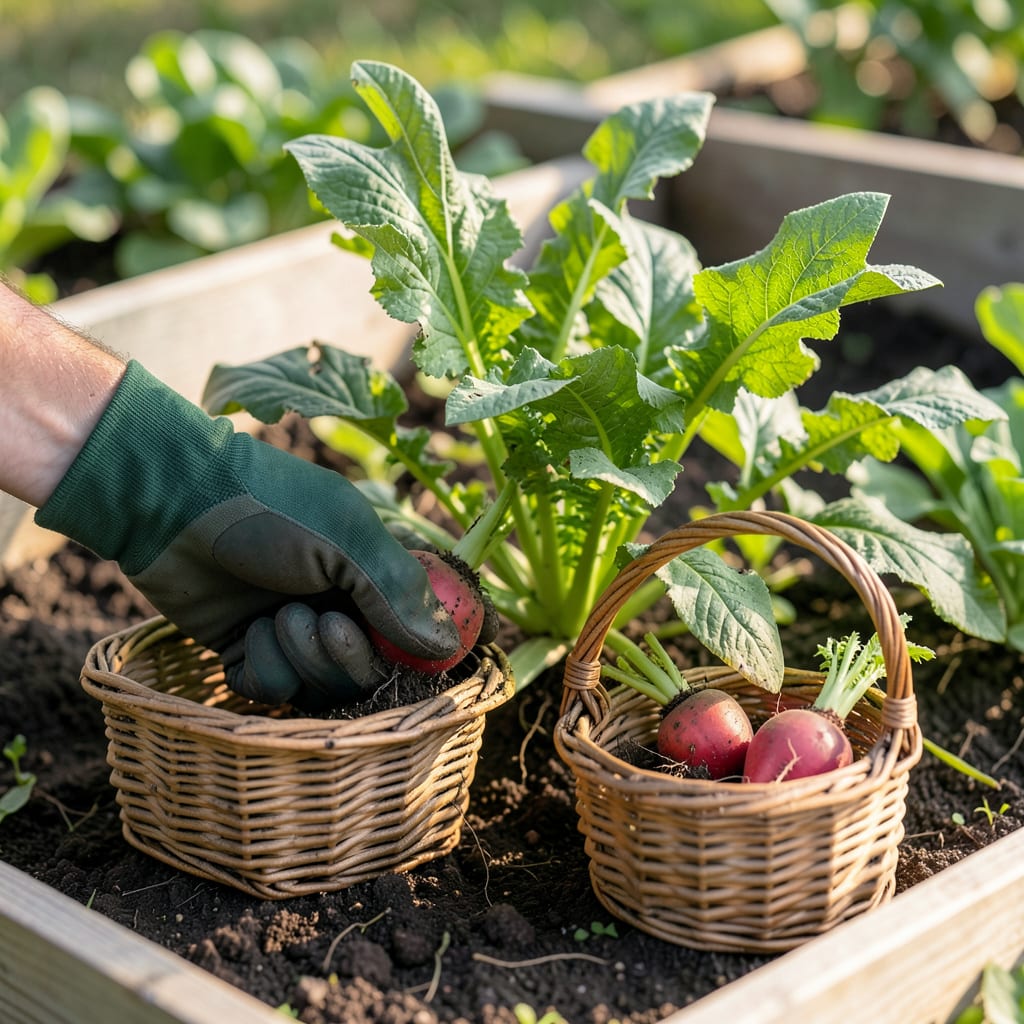
There’s nothing worse than pulling a radish only to find it’s either disappointingly small or tough as a golf ball. That perfect window between underripe and overgrown is shorter than you think—often just 3-5 days.
I’ve ruined my share of radishes by guessing wrong, but here’s the good news: the plant itself gives clear signals. From shoulder peeks to leaf clues, I’ll show you exactly how to read these signs—so your next harvest is crisp, sweet, and just right. Let’s get it done.


That moment when you pull a radish and it’s just right—crisp, juicy, and packed with peppery flavor—is what we’re all after. But how do you know when that moment has arrived? Forget guessing games. Your radishes actually send clear signals when they’re ready to pick.
While days-to-maturity on seed packets is a starting point, I’ve learned the hard way that visual cues are far more reliable. Soil temperature, watering habits, and even the variety can shift that timeline. Here’s how to read what your plants are telling you—no calendar required.
*Varieties like daikon or ‘Watermelon’ radishes need more time—check seed packets for size guidelines.
One of my favorite tricks is the “gentle tug test”. If the radish resists slightly but pops out with a firm pull, it’s perfect. If it comes out too easily, it’s likely underripe. If it feels glued in place, you’ve waited too long—and the texture will suffer.
Watch for color vibrancy too. A ripe radish should match its variety’s expected hue: bright red for ‘Cherry Belle,’ white with red tips for ‘French Breakfast,’ or purple-and-white for ‘Easter Egg.’ Dull colors often mean the radish is past its prime.
I once made the mistake of waiting for all the leaves to reach 6 inches before harvesting. Big error! Some radishes mature faster than their foliage grows, especially in cool spring weather. Now, I check the shoulders daily once I hit the 21-day mark.
Here’s a pro move: Water deeply the evening before harvesting. This plumps up the roots and loosens the soil, making pulling easier. Dry soil can cause radishes to split or crack when you tug them—especially in clay-heavy gardens like mine.
If you’re growing in containers, keep an eye out for roots circling the pot or pushing against the sides. That’s your radish’s way of saying, “Hey, I’m ready to come out!” Container-grown radishes often mature a bit faster due to warmer soil temps.
Still unsure? Sacrifice one radish as a test. Pull it, slice it open, and check the texture. If it’s crisp and juicy, harvest the rest. If it’s pithy or woody, you’ve learned the upper limit for your growing conditions. Next time, you’ll nail it!
Remember: Radishes grow fast—some varieties go from seed to harvest in under 30 days. Check them daily once they’re close, because that perfect harvest window can close just as quickly as it opens 🌿.
If you’ve ever pulled a radish only to find it’s still the size of a marble, you know timing is everything. While days-to-maturity is a helpful guideline, soil temperature and variety type can shift that window by a week or more. Let’s break down the specifics.
For example, ‘Cherry Belle’ radishes might be ready in 22-30 days, while daikon varieties can take 50-60 days. Spring plantings often mature faster than fall crops due to warmer soil. That’s why I always cross-check the calendar with what I see in the garden.
| Variety | Days to Maturity | Ideal Size | Season |
|---|---|---|---|
| Cherry Belle | 22-30 | 1-inch diameter | Spring/Fall |
| French Breakfast | 23-30 | 1.5-inch long | Spring/Fall |
| Easter Egg | 25-35 | 1-inch diameter | Spring/Fall |
| Daikon (Long White) | 50-60 | 6-12 inches long | Fall |
*Adjust for cooler soil: Add 3-5 days in early spring or late fall.
I’ve found that soil temperature plays a huge role. Radishes grow fastest when soil is 60-70°F. If your spring is chilly, expect to wait a few extra days. Conversely, hot weather can speed things up—but also risks bolting (premature flowering).
For succession planting, I stagger sowings every 7-10 days. This ensures a steady supply rather than a single glut. Just remember: fall radishes often need a bit more time due to cooling temps, so don’t panic if they’re not ready at the “expected” day count.
Pro tip: If you’re growing winter radishes like ‘Black Spanish,’ they can handle light frosts and actually sweetten after a chill. But most spring varieties turn woody or pithy if left too long—so when in doubt, pull one to test!
Still unsure? Gently brush away soil at the root shoulder to check size. If it’s plump and vibrant, it’s go time. And always harvest in the morning for the crispiest texture—radishes get limp in afternoon heat 🌱.
Timing is everything when harvesting radishes. Pick them too soon, and you’ll end up with underdeveloped roots that lack their signature peppery crunch. Wait too long, and they turn woody, pithy, or even split open. I’ve seen both scenarios play out in my garden, and neither is ideal.
The golden window for harvesting radishes is surprisingly narrow—often just a few days. Miss it, and your radishes might bolt (send up flower stalks) or develop a bitter, tough texture. That’s why knowing the signs of over-maturity is just as important as spotting readiness.
If you spot these signs, harvest immediately—even if the radishes aren’t perfect. Use overgrown greens in salads or compost them.
On the flip side, picking too early means you’ll harvest radishes that are small, soft, and lacking flavor. I once pulled a batch after just 18 days, thinking they’d be ready. They were the size of marbles and tasted like nothing! Now, I wait until the shoulders peek above the soil and the leaves are lush.
Here’s my quick fix for mistimed radishes: If they’re slightly underripe, leave them for another 2-3 days and check again. If they’re overripe, peel the tough outer layer or slice them thinly to reduce woodiness. Some varieties, like daikon radishes, handle over-maturity better than others.
Pro tip: Water deeply the day before harvesting. This plumps up the roots and makes pulling them easier, especially in compacted soil. And if you’re growing in containers, keep an eye out for roots circling the pot—a sure sign they’re ready to harvest!
Gently brush away soil at the base to check the shoulder (top of the root). If it’s about 1 inch wide for round varieties or 1.5 inches long for elongated types, they’re ready. Also, look for lush, upright leaves about 6 inches tall.
Over-mature radishes become woody, pithy, or split. They may also bolt (flower), turning bitter. The texture changes from crisp to spongy, and the flavor intensifies unpleasantly. Harvest within 2-3 days of reaching full size to avoid this.
No! Fast growers like ‘Cherry Belle’ mature in 22-30 days, while daikons need 40-60 days. French Breakfast radishes are ready in 25-30 days. Always check your seed packet for variety-specific timing.
Yes, but wait until the soil isn’t soggy. Wet soil makes pulling easier, but muddy conditions can damage roots. If the ground is waterlogged, wait 6-12 hours for drainage to avoid tearing the greens or breaking the radishes.
