
Beautiful Plants For Your Interior
Beautiful Plants For Your Interior
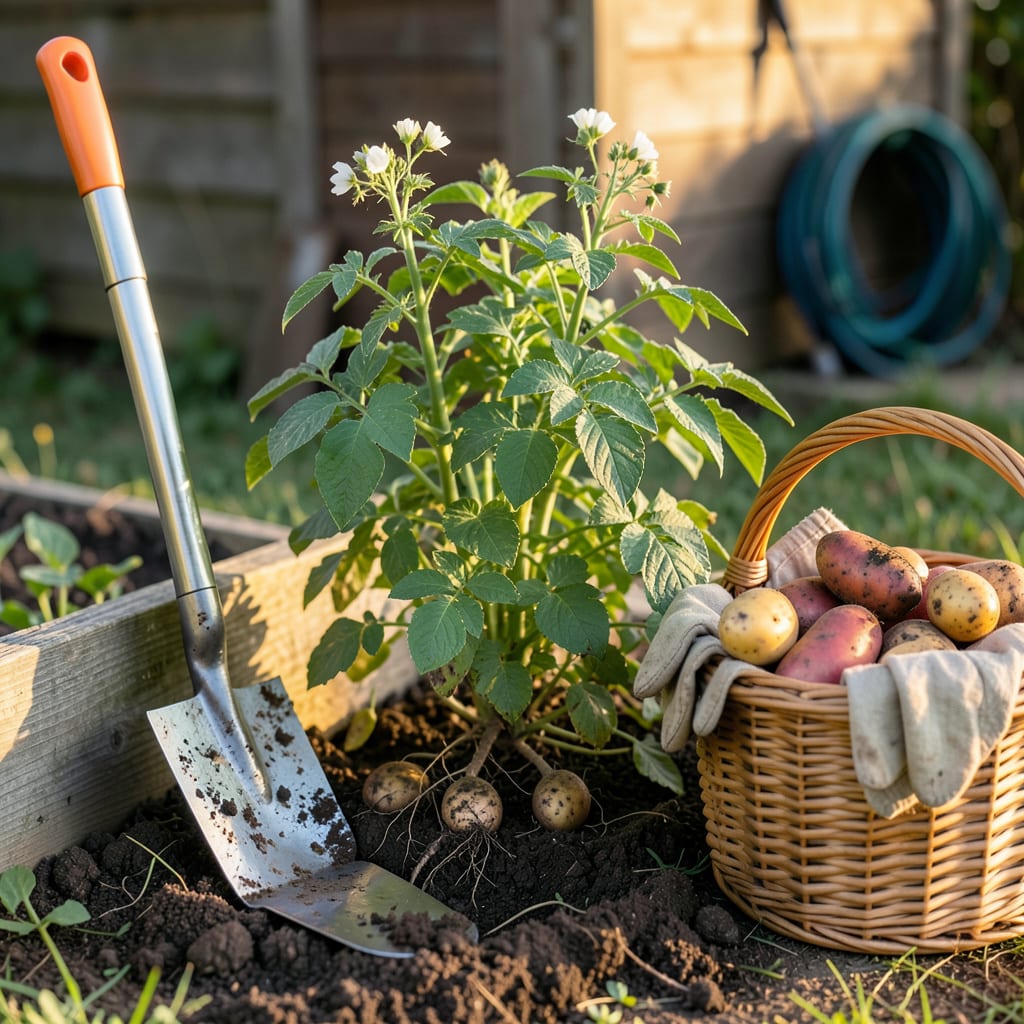
Timing your potato harvest can feel like a guessing game—dig too soon, and you’ll get tiny, thin-skinned spuds; wait too long, and they might rot in the ground. I’ve been there, staring at my potato plants in August, wondering if today’s the day.
The good news? Your potatoes actually tell you when they’re ready—if you know what to look for. From dying foliage to the simple skin-rub test, I’ll show you the foolproof signs that guarantee a perfect harvest every time. No more second-guessing.


Nothing beats the moment when your potato plants finally reveal their hidden treasure. But how do you know when they’ve reached peak perfection? The secret lies in watching for three key signals: foliage changes, flower behavior, and tuber size. Each variety has its own timeline too.
For early-season potatoes like Yukon Gold, you’ll often see harvest readiness in as little as 70 days. Late-season varieties, such as Russets, may take up to 120 days. The trick is to start checking once the plants begin to yellow and wilt naturally.☀️
| Variety | Days to Maturity | Key Signs of Readiness |
|---|---|---|
| Yukon Gold | 70-90 days | Foliage yellows, flowers fade, 2-3″ tubers |
| Red Pontiac | 80-100 days | Stems brown, skin doesn’t rub off, firm texture |
| Russet | 100-120 days | Foliage dies back completely, large tubers (4″+) |
| Fingerling | 90-110 days | Leaves dry, tubers cluster tightly, skin sets |
The flowering stage is your first major clue. When potato plants bloom, tubers are forming underground. Once those blooms fade and drop, it’s time to start testing for readiness. For early varieties, this might happen just 2 weeks before harvest—so stay alert!
Next, examine the foliage. Healthy potato plants have lush green leaves during growth, but as tubers mature, the leaves begin to yellow and wilt. This isn’t a sign of disease—it’s nature’s way of saying, “The energy’s gone into the spuds!” By the time 50% of leaves have browned, your potatoes are likely ready.
Now for the skin test: Gently rub a tuber’s skin with your thumb. If it sloughs off easily, your potatoes need more time. A firm skin that resists rubbing means they’re mature enough for harvest. This is especially critical for storage potatoes, which need that tough skin to last months.
Size matters too. Most varieties reach harvest size at 2-3 inches in diameter, though fingerlings and new potatoes can be smaller. If you’re growing for storage, wait until tubers hit their full-size potential—usually the size of a tennis ball or larger for Russets.
Don’t forget the gentle dig test. Use your hands or a fork to carefully uncover a few tubers from the plant’s edge. If they’re the right size and skin doesn’t peel, you’re good to go. If not, rebury them and check again in 3-5 days. This method prevents guesswork!
Weather plays a role too. If frost threatens before your potatoes are fully mature, harvest immediately—even if they’re slightly small. Frost-damaged tubers turn mushy in storage. Conversely, in hot, dry spells, potatoes may mature faster, so check a week earlier than expected.
For new potatoes (those tender, thin-skinned gems), you can start harvesting as soon as plants flower. Just dig carefully around the edges, taking only what you need and leaving the rest to grow. This “sneak harvest” won’t hurt the plant if done gently!
Remember: Patience pays off. Rushing harvest often means smaller yields and poor storage life, while waiting too long risks rot or pest damage. When in doubt, do the skin test—it’s the most reliable indicator for all potato types.🪴
Even when your potato plants show all the right signs, it’s smart to double-check before digging up the whole crop. I use a simple 3-step test to confirm maturity—no guesswork involved. Grab your gardening gloves and a small fork, and let’s get hands-on.
First, perform the gentle dig test. Carefully scrape away soil from the plant’s edge (about 6-8 inches out) to expose a few tubers. Avoid digging near the stem to prevent damaging the plant. If the potatoes are smaller than 2 inches, rebury them and wait another week.
For the skin rub test, focus on the tuber’s texture. Immature potatoes have skin that rub off like chalk, leaving a damp spot. Mature spuds have a dry, papery skin that stays put. This test is especially critical for storage potatoes, as thin skin leads to spoilage.
If your potatoes pass the size and skin tests but won’t detach easily, they may need another 3-5 days. Check the weather forecast—if rain is coming, wait until soil is dry to avoid compacting it. For stubborn tubers, water the area lightly the day before testing to loosen the soil.
Tools make this process easier. I recommend a hand fork (not a shovel) to avoid slicing tubers, and a soft brush to clean off test potatoes without damaging their skin. Keep a harvest basket nearby for ready spuds, and a bucket of soil to rebury any that need more time.
What if your potatoes aren’t ready yet? Rebury them gently, firming the soil around the stems. Mark the plant with a stake labeled with the check-back date (usually 5-7 days later). Avoid watering heavily after this point—too much moisture can cause tubers to crack as they expand.
For new potatoes, you can skip some tests. These are harvested young (as soon as plants flower) for their tender texture. Just ensure they’re at least 1 inch in diameter and that the plant has enough foliage left to support continued growth for future harvests.🌱
Even experienced gardeners can mess up potato harvest timing—and I’ve made my share of blunders. The most common mistake? Harvesting too soon after rain. Wet soil compacts easily, making tubers harder to dig and more prone to bruising. Always wait for dry conditions to avoid damage.
Another critical error is ignoring your potato’s variety-specific timeline. Early varieties like Yukon Gold might be ready in 70 days, while Russets need up to 120 days. I once pulled all my potatoes at once, only to realize my late-season spuds were half their potential size.☀️
Pro tip: Mark your calendar with each variety’s days-to-maturity range when planting!
Many gardeners also fall for the myth that potatoes must be harvested all at once. In reality, you can do a staggered harvest—take what you need for immediate use while leaving the rest to mature. This works especially well with early varieties, where you can enjoy new potatoes while waiting for the main crop.
Weather extremes demand quick action. During a heatwave, potatoes may mature faster, so check them 5-7 days earlier than expected. Conversely, cool, wet summers can delay maturity by weeks. I use a soil thermometer—when temps drop below 50°F, it’s time to dig, regardless of foliage.
Don’t overlook the gentle dig test for late-season varieties. I once assumed my Russets were ready because the foliage died, but the tubers were still small. A quick test dig revealed they needed another 10 days. That extra patience doubled my yield!
Finally, avoid the temptation to wash potatoes immediately after harvest. Wet tubers are more prone to rot in storage. Instead, let them air-dry in a shaded spot for a few hours, then brush off excess soil. This simple step extends their shelf life by weeks.🪴
Picking them prematurely means you’ll get small, thin-skinned tubers that bruise easily and won’t store well. The skin will rub off with a gentle thumb test, and the flavor may be underdeveloped. Wait until the foliage yellows and the skin firms up for best results.
For early varieties, you can gently dig around the plant edges to remove new potatoes (1-2 inches) while leaving the rest to mature. Just avoid disturbing the roots too much. This lets you enjoy fresh spuds now and save larger ones for later.
Frost is the biggest threat—harvest immediately if temperatures drop below 32°F, even if foliage is still green. Heatwaves can speed up maturity, so check tubers 5-7 days earlier than expected. Wet soil makes digging harder, so wait for dry conditions to avoid damage.
Yes! Early varieties like Yukon Gold may be ready in 70-90 days, while Russets often need 100-120 days. Always check the seed packet for your variety’s timeline and adjust your harvest window accordingly. A quick dig test confirms readiness regardless of the calendar.
