
Beautiful Plants For Your Interior
Beautiful Plants For Your Interior
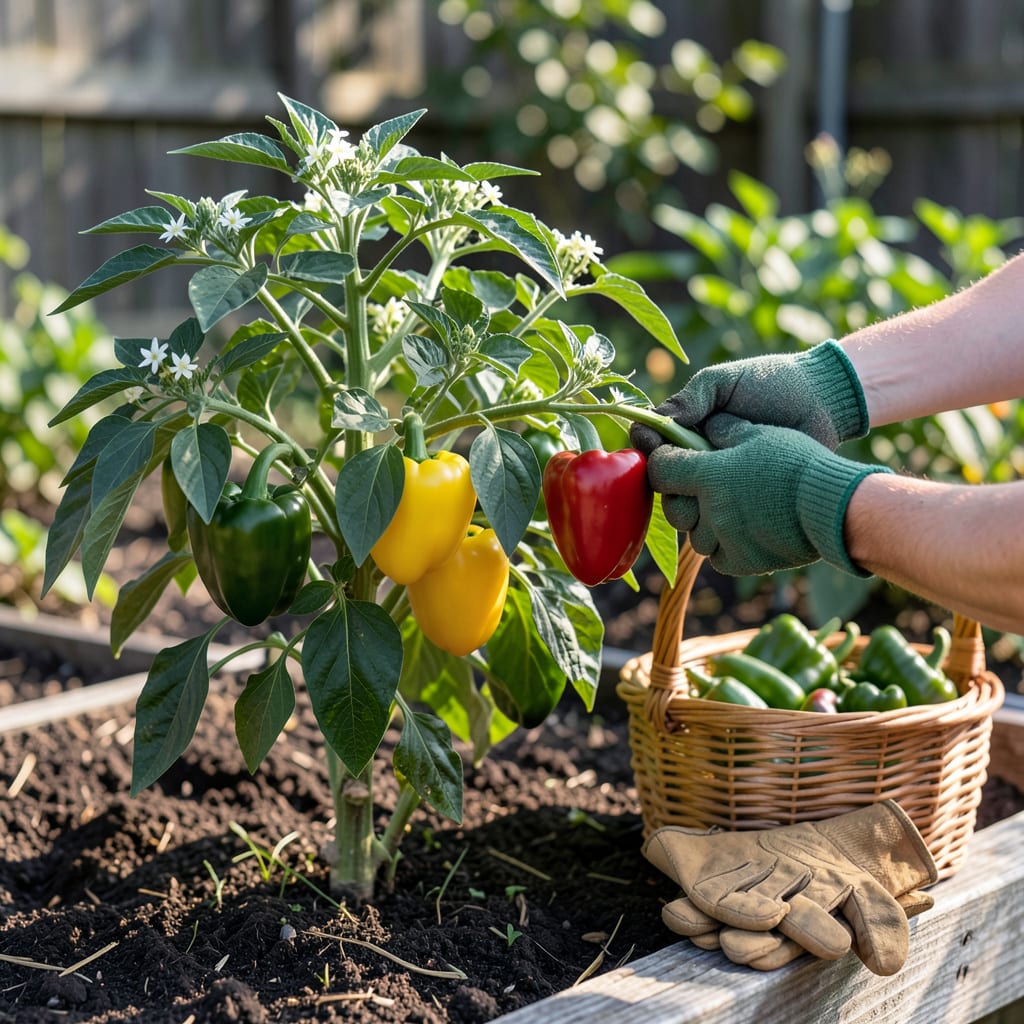
There’s nothing worse than waiting months for your 🌶️ peppers to ripen—only to pick them too soon and miss out on that perfect flavor. One day they’re stubbornly green, the next they’re suddenly overripe. So how do you catch that sweet spot between underwhelming and past its prime?
I’ve learned the hard way that color isn’t the only clue—size, firmness, and even the stem’s resistance tell the real story. Whether you’re growing sweet bells or fiery jalapeños, I’ll show you the exact signs to watch for so you never second-guess your harvest again.


Knowing exactly when to pluck those peppers from the vine can feel like decoding a secret language. The good news? Your plants are visually shouting when they’re ready—if you know what to look for. From color shifts to subtle texture changes, I’ll break down the telltale signs.
Different pepper varieties have unique maturity indicators. A green bell pepper might be perfect at one stage, while a red jalapeño needs more time. Let’s explore the three key factors: color, size, and firmness. These clues work for everything from sweet bananas to scorching habaneros! 🌱
| Pepper Type | Ready Color | Ideal Size | Firmness Test |
|---|---|---|---|
| Bell Peppers | Green/Red/Yellow | 3-4 inches long | Firm with slight give |
| Jalapeños | Dark green/red | 2-3 inches long | Firm, crisp texture |
| Habaneros | Orange/red | 1-2 inches long | Slightly soft when ripe |
| Poblano | Dark green/red | 4-6 inches long | Firm, glossy skin |
💡 Pro Tip: Most peppers can be harvested at any stage, but flavor and heat intensify as they mature!
The color transformation is often the most obvious sign. Green peppers typically turn red, yellow, or orange when fully ripe. However, some varieties like purple bells or chocolate habaneros have unique color progressions you should research beforehand.
Size matters too! Each pepper variety has an ideal length and width at maturity. A mature jalapeño should be about 2-3 inches long, while a bell pepper might reach 4 inches. Compare your peppers to seed packet descriptions or variety guides.
The “finger test” is my go-to method. Gently press the pepper’s skin—it should feel firm but yield slightly, like a ripe avocado. If it’s rock hard, it needs more time. If it’s mushy, you’ve waited too long. This test works for all varieties!
Weather plays a role too! In hot climates, peppers may ripen faster but can become sunburned. In cooler areas, they might take longer to change color. Always combine visual cues with your local growing conditions for best results. 🌡️
Remember, you can harvest peppers at any stage, but the flavor profile changes dramatically. Green peppers are milder, while fully colored ones are sweeter (for bells) or hotter (for chilis). Experiment with different maturity levels to find your perfect taste! 🌿
Even experienced gardeners can sabotage their pepper harvest by making simple but costly errors. One of the biggest? Picking too early because of impatience. A green bell pepper might look ready, but waiting for it to turn red or yellow can triple its sweetness!
Another common blunder is ignoring the “finger test”. If your pepper feels soft or wrinkled, it’s either underripe or overripe. The ideal texture is firm with slight give, like a ripe avocado. Let’s break down the most frequent pitfalls—and how to steer clear of them. 🌱
✅ Quick Fix: Harvest in the early morning when peppers are crisp and hydrated!
Weather plays a sneaky role too. A sudden heatwave can speed up ripening, while cool spells slow it down. I once lost half my habaneros to an early frost because I assumed they’d keep ripening indoors—they didn’t. Monitor forecasts and use row covers if cold snaps threaten.
Tool choice matters more than you’d think. Never yank peppers by hand; this damages stems and invites pests. Instead, use sharp pruners or snips, cutting 1/4 inch above the stem. This keeps the plant healthy for future yields. For stubborn peppers, a gentle twist-and-pull works if they’re truly ripe.
Storage mistakes can ruin a perfect harvest. Never refrigerate peppers unwashed or wet—this causes mold. Instead, wipe them dry, then store in a paper bag in the fridge’s crisper drawer. For long-term use, consider freezing or drying (slice hot peppers first for easy use later).
Finally, don’t forget to harvest regularly. Leaving overripe peppers on the plant signals it to stop producing. I aim to pick every 3-5 days during peak season. This keeps the plant focused on new growth—and ensures you’re never overwhelmed by a glut of peppers at once! 🪴
Timing your pepper harvest can feel like a guessing game, but knowing the days to maturity for your specific variety takes the stress out of the process. Most peppers fall between 60 to 120 days from transplanting, but this varies widely by type.
For example, bell peppers often take 70-90 days to reach full size, while fiery habaneros might need 100-120 days. Climate plays a role too—cooler zones may extend these timelines by 10-14 days. Keep reading for a quick-reference guide!
✅ Pro Tip: Stagger plantings every 2-3 weeks for continuous harvests!
If you’re growing in cooler climates, add 1-2 weeks to these estimates. Heat-loving peppers like Thai chilis may struggle if nights dip below 60°F (15°C). Use row covers or containers to extend the season if needed.
For container gardeners, peppers often mature 5-7 days faster due to warmer soil. Just ensure pots are at least 5 gallons for proper root growth. Pair this timeline with the visual cues from earlier sections for foolproof harvesting!
Remember, these are averages—your microclimate, soil health, and even watering consistency can shift timelines. When in doubt, perform the “finger test”: gently squeeze the pepper. If it springs back, it’s ready! 🌱
Many varieties like bell peppers and jalapeños can be harvested green. Just ensure they’ve reached full size and feel firm. Green peppers are milder, while colored ones (red, yellow) are sweeter or hotter, depending on the type.
Watch for wrinkled skin, soft spots, or a dull appearance. Overripe peppers may also develop dark streaks or start to shrivel. For hot peppers, excessive heat can mean they’ve passed their flavor peak—harvest when glossy and vibrant.
Always use clean pruning shears or a sharp knife to avoid damaging the stem. Twisting can break branches, especially with larger varieties like bells. Leave a short stem attached to prevent rot during storage.
Variety, weather, and plant health all play roles. Hot peppers like habaneros often need 100+ days, while bells mature faster. Cooler temps slow ripening, so use row covers if nights dip below 60°F (15°C).
