
Beautiful Plants For Your Interior
Beautiful Plants For Your Interior
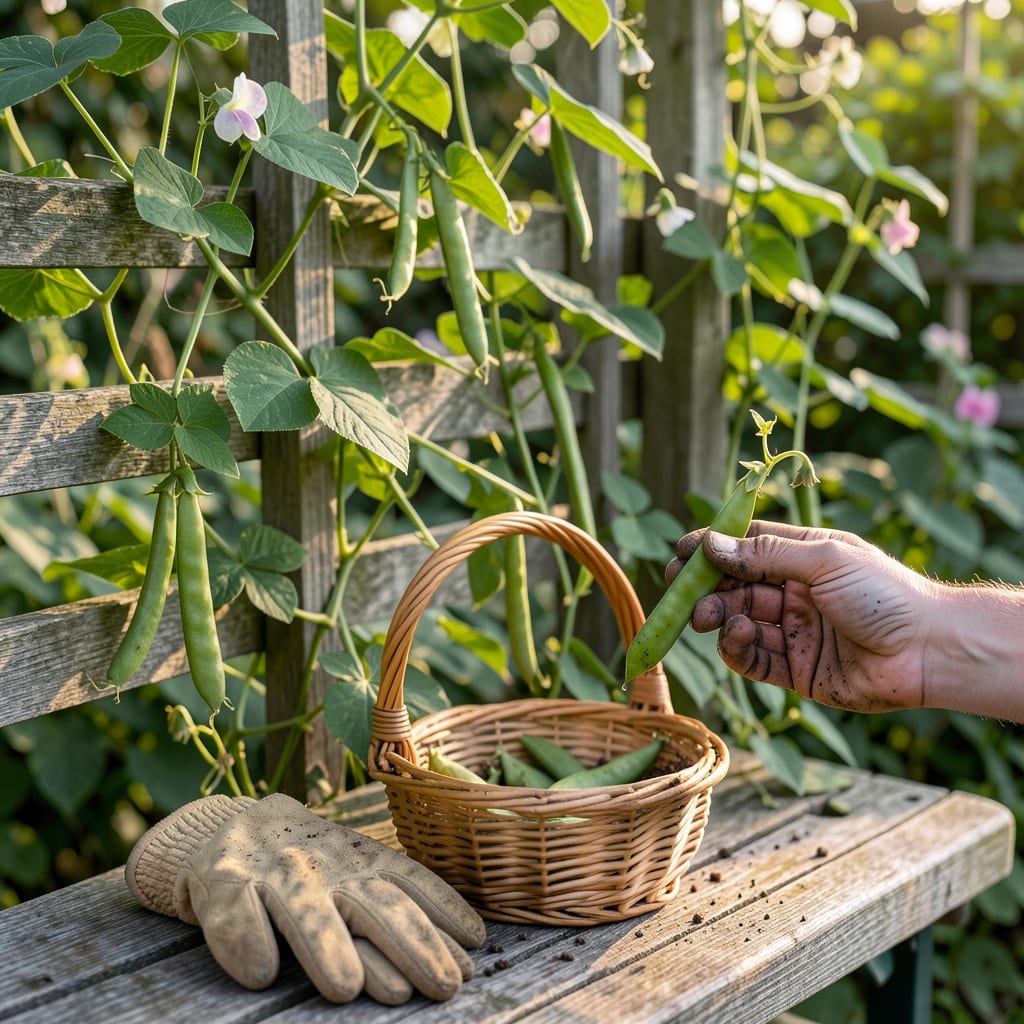
There’s nothing quite like the taste of freshly picked peas—sweet, crisp, and bursting with flavor. But timing is everything when it comes to harvesting these garden gems. Pick too early, and you’ll miss out on that perfect tenderness; wait too long, and you’re left with starchy, tough pods.
I’ve learned the hard way that mastering the pod plumpness test and snap technique makes all the difference. Whether you’re growing shelling peas, snap peas, or snow peas, I’ll show you exactly what to look for so you never second-guess your harvest again. Let’s get started.


Timing is everything when harvesting peas. Pick too early, and you’ll get flat, underdeveloped pods. Wait too long, and those sweet peas turn starchy and tough. I’ve found that morning harvesting gives you the crispiest pods, as the plants are still turgid from overnight moisture.
The secret lies in three key indicators: pod plumpness, color intensity, and the snap test. Each pea variety has slightly different signals, but these universal signs will guide you. Let’s break down what to look for in your garden rows or containers.
| Variety | Pod Appearance | Snap Test | Pea Size |
|---|---|---|---|
| Shelling Peas | Bright green, slightly rounded pods | Pods resist snapping (too fibrous) | 1/4 to 1/2 inch diameter |
| Snap Peas | Flat but crisp and glossy | Clean snap when bent | Peas just visible as small bumps |
| Snow Peas | Flat with visible pea outlines | Snaps easily but peas barely formed | 1/8 inch or smaller |
*Test 2-3 pods first – if they’re sweet and tender, the rest are ready! 🌿
The thumb test is my favorite trick for shelling peas. Gently squeeze the pod between your thumb and forefinger – you should feel rounded peas inside, not flatness. For snap peas, listen for that satisfying crunch when you bite into them raw.
Color matters more than you think. Dull green pods usually mean they’re past prime, while vibrant green with a slight sheen indicates perfect ripeness. Snow peas should still show their vein patterns clearly through the pod skin.
Size isn’t everything, but it’s a good starting point. Most varieties are ready when pods reach 2.5 to 3 inches long. I like to check the pod’s curvature too – a gentle upward curve often means the peas inside are plumping up nicely.
Don’t forget the taste test – it’s the ultimate judge! Pop open a pod and sample a pea. It should be sweet with a crisp texture, not mealy or bitter. If it’s perfect, start harvesting the rest of that plant’s pods immediately.
For continuous production, I harvest my peas every 2-3 days during peak season. The more you pick, the more the plant will produce. Just be gentle with the vines – use two hands to avoid tearing the delicate stems.
Watch for yellowing pods or those that feel spongy – these are overmature and should be composted. The sweet spot is that brief window when peas are at maximum sugar content but before the starches develop.
Remember that cool morning temperatures keep peas sweeter longer. If you’re growing in hot climates, you might need to harvest daily to beat the heat. I’ve noticed my spring-planted peas stay sweet longer than my late summer crop.
With these signs in mind, you’ll never again wonder if your peas are ready. That first crisp bite of a perfectly timed pea pod makes all the observation worthwhile. Now grab your basket and get picking! 🪴
I’ve found that timing your pea harvest perfectly comes down to three key indicators. First, check the pod color – it should be a vibrant bright green, not dull or yellowing. Then examine the pod shape; ripe peas create noticeable bumps along the pod’s length.
My favorite test is the snap test: gently bend the pod. If it breaks cleanly with a satisfying crisp snap, you’re good to go. For shelling peas, the pod will feel slightly soft but still firm, while snap peas should be crisp throughout.
| Variety | Pod Appearance | Texture Test | Size |
|---|---|---|---|
| Shelling Peas | Bright green, plump | Pod feels full, peas visible | 2.5-3 inches |
| Snap Peas | Flat with visible pea outlines | Crisp, snaps cleanly | 3-4 inches |
| Snow Peas | Flat, translucent | Tender, no visible peas | 2-3 inches |
💡 Pro Tip: Harvest in the cool morning hours for the sweetest flavor and best texture.
The thumb test works wonders too: gently press the pod between your thumb and forefinger. You should feel small, firm peas inside – if they feel like marbles, you’ve waited too long. For snow peas, harvest when pods are still flat but the outline of peas is just visible.
Watch the pod curvature as well. Most varieties develop a slight curve when ready. I check my plants daily once pods start forming, as peas can go from perfect to overripe in just 24-48 hours during warm weather. The window is surprisingly narrow!
For continuous harvests, I pick every 1-2 days during peak season. The more you harvest, the more the plant will produce. Just be gentle with the vines to avoid damaging future pods. Keep an eye out for yellowing pods – that’s nature’s sign they’ve passed their prime.
If you notice pods splitting open, harvest immediately. This means the peas are overmature and the pod is drying out. I’ve found that morning harvesting gives the best results, as pods are most crisp after the cool night air.
If you want a continuous pea harvest all season long, timing your picks is just as important as knowing when to start. I’ve found that most gardeners don’t realize how much their picking frequency directly impacts total yield. The secret? Don’t wait for all pods to mature at once.
For snap peas and snow peas, I check my plants every 1-2 days during peak season. Shelling peas can wait 2-3 days between harvests, but never let them linger too long. The more you pick, the more your plants will produce—simple as that. Here’s how to optimize your schedule:
Here’s the game-changer: regular harvesting boosts yield by 30-50%. When you remove mature pods, the plant redirects energy to producing more flowers and new pods. I’ve seen my pea plants produce 2-3 times longer just by staying on top of picking.
Watch your plants closely during temperature swings. Cool spring days mean slower pod development—you might stretch to 3-day intervals. But when summer heat hits, check daily as pods can go from perfect to overripe in 24 hours. Always use the snap test we covered earlier as your final check.
For container-grown peas, you’ll need to harvest even more frequently. The limited root space means plants mature faster. I check my potted peas every 24 hours once they start producing. And remember—gentle twisting is better than pulling to avoid damaging the delicate vines.
Pro tip: Keep a harvest journal for your first season. Note which varieties mature fastest in your climate, and you’ll dial in the perfect picking schedule for next year. Your future self (and taste buds) will thank you when you’re swimming in sweet peas all season long! 🌱
Once pods start forming, check your plants every 1-2 days. Peas mature quickly, especially in warm weather. Snap peas may need daily checking, while shelling peas can wait 2-3 days between harvests.
Always harvest in the early morning before 10 AM. The cool overnight temperatures keep pods crisp and sweet. Avoid picking during midday heat, as peas can become limp and lose flavor.
Overripe peas become starchy and tough, but they’re still edible. Use them in cooked dishes like soups or stews where texture matters less. For fresh eating, stick to perfectly timed pods for that sweet, crisp bite.
Empty pods mean you harvested too early. Wait until you can feel rounded peas through the pod wall. For shelling peas, the pod should feel plump but firm when gently squeezed.
Regular harvesting stimulates the plant to produce more flowers and pods. I’ve seen yields increase by 30-50% with consistent picking every 2-3 days during peak season.
