
Beautiful Plants For Your Interior
Beautiful Plants For Your Interior
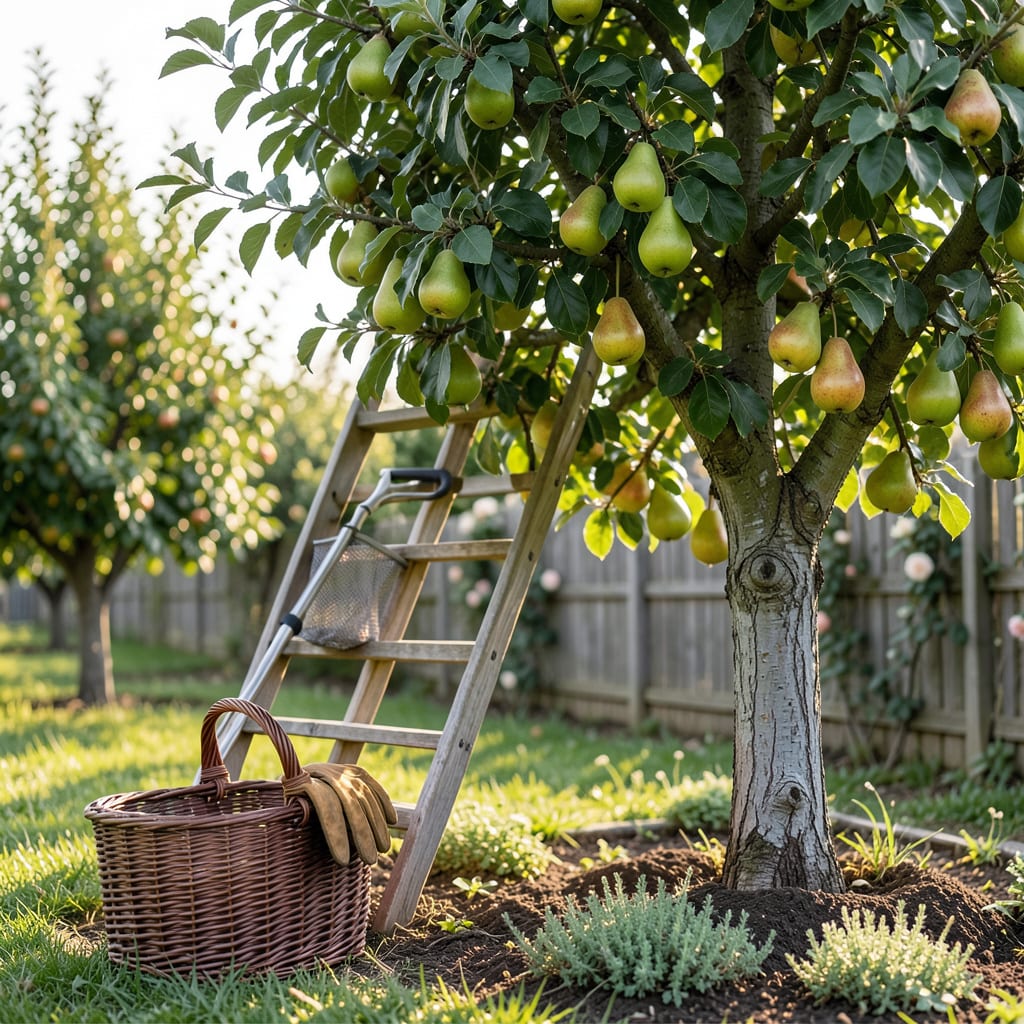
That moment when you stand under your pear tree, staring at fruit that looks almost ready—but how can you be sure? One day too early means grainy texture; one day too late turns them to mush. The difference between perfection and disappointment comes down to three simple tests anyone can master.
I’ve wasted too many pears guessing wrong, but now I rely on foolproof signs like the twist test and subtle color shifts. Whether you’re growing Bartletts or Boscs, I’ll show you exactly what to look for—so your 🍐 harvest is sweet, juicy, and never a gamble again.


Standing under your pear tree with a basket in hand, it’s easy to second-guess yourself. Are they ready? The secret lies in three foolproof tests I’ve relied on for years: the color shift, the twist test, and a subtle texture check. Miss these cues, and you risk mealy or rock-hard fruit.
Different pear varieties—like Bartlett or Bosc—have unique signals. A Bartlett turns from green to yellow, while a Bosc develops a golden-brown blush. Let’s break down what to watch for, so you’ll never question your harvest timing again.
| Variety | Color Change | Twist Test | Texture Clue |
|---|---|---|---|
| Bartlett | Green → bright yellow | Separates with gentle lift | Slight give near stem |
| Bosc | Green → golden-brown | Requires slight twist | Firm but smooth skin |
| Anjou | Green → light green/yellow | Firm twist needed | No soft spots yet |
| Asian Pear | Green → pale yellow | Harder to twist off | Crisp like an apple |
The twist test is my go-to method. Cup the pear in your hand, lift it slightly, and give it a gentle twist. If it comes away easily with the stem intact, it’s ready. If it resists or the stem breaks, leave it for a few more days. This works because pears develop an abscission layer when ripe.
Next, check the skin texture. Ripe pears often have a slight dullness to their sheen, while unripe ones look waxy. Run your fingers over the surface—mature pears feel smoother, almost silky. For Bartletts, watch for tiny brown speckles near the stem, a sure sign of ripeness.
Don’t rely on firmness alone. Unlike avocados, pears stay hard until after picking. Instead, look for a subtle softening at the stem end when pressed gently with your thumb. If the flesh gives slightly, it’s time. Overripe pears feel mushy or have wrinkled skin near the stem—those are best for cooking or compost.
Timing varies by climate too. In hotter zones, pears may ripen 1–2 weeks earlier than in cooler areas. I keep a harvest journal to track when my trees bear fruit each year. Note that late-season varieties like Comice often need extra time on the tree compared to early types like Clapp’s Favorite.
If you’re still unsure, cut one open. Ripe pears have dark brown seeds and juicy flesh. Green seeds mean it needs more time. Remember, pears ripen from the inside out, so even if the skin looks ready, the center might lag behind. When in doubt, pick a test pear and let it ripen indoors for 2–3 days.
Early mornings are the best time to harvest. The fruit is cooler and firmer, reducing bruising. Use sharp pruners or twist gently by hand to avoid damaging the spur (next year’s fruit site). Place pears in a single layer in shallow baskets to prevent pressure bruises. Now you’re ready to enjoy the sweet reward of perfect timing! 🍐
Pro tip: If birds or squirrels start nibbling, it’s a sure sign your pears are nearing ripeness. I drape netting over branches a week before expected harvest to protect my crop. With these clues, you’ll never miss the ideal window again—just sweet, juicy pears every season. 🌳
Timing is everything with pears—picking them even a day too soon or too late can ruin weeks of growth. I’ve learned the hard way that underripe pears never soften properly, while overripe ones turn to mush before you can enjoy them. The secret lies in understanding how pears ripen differently than other fruits.
Pears produce ethylene gas only after they’re picked, which means they won’t ripen on the tree. If you harvest too early, they’ll stay hard and mealy no matter how long you wait. But leave them too long, and they’ll develop grainy textures or internal browning. Let’s break down the risks—and how to fix them.
Fix it: Store at room temp with a banana to boost ethylene.
Fix it: Use immediately for baking or preserves.
If you’ve picked pears too early, don’t toss them yet! Some varieties, like Bartlett, can still ripen if stored with ethylene-producing fruits (apples, bananas) in a paper bag. Check daily for slight softening near the stem—this is your cue they’re recovering.
For overripe pears, act fast. Cut out any brown spots and use them in recipes that mask texture, like smoothies or sauces. If they’re just slightly soft, refrigerate to slow further ripening. Remember, Asian pears are the exception—they ripen on the tree and should be picked when fully colored.
To avoid mistakes next time, test one pear first. If it passes the twist test (easily separates with a gentle lift) and shows color deepening, the rest are likely ready. When in doubt, pick a few at different stages—you’ll quickly learn your tree’s perfect window.
The key is observing your specific variety. Bosc pears stay firm longer, while Anjou pears soften faster. Keep notes each year to refine your timing. With practice, you’ll spot the subtle shifts that signal peak ripeness—no guesswork needed.
Once you’ve picked your pears at the right stage, the real magic happens off the tree. Unlike apples, pears ripen best after harvest, so timing your pick is just the first step. I always bring them indoors to ripen at room temperature—around 55–60°F—for the best flavor and texture.
To speed up ripening, I use the ethylene trick: place pears in a paper bag with a banana or apple. These fruits release ethylene gas, which triggers ripening. Check daily—once they yield slightly to gentle thumb pressure near the stem, they’re ready to enjoy. Avoid plastic bags, as they trap moisture and can cause rot.
Different pear varieties ripen at different speeds. Bartlett pears soften quickly—often within 3–5 days—while Bosc or Anjou can take up to 7–10 days. If you’re unsure, cut one open: ripe pears have creamy, juicy flesh with no graininess.
For long-term storage, keep unripe pears in a cool, dark place (like a cellar) at 30–35°F. This pauses ripening for weeks. Once ripe, move them to the fridge to extend freshness. Avoid washing pears until ready to eat—moisture speeds up spoilage.
If you accidentally pick pears too early, don’t panic. Some varieties, like Asian pears, can still ripen off the tree if stored properly. Just give them extra time and check for color changes or stem softening as clues they’re catching up.
Not all varieties show dramatic color shifts. Bartlett pears turn from green to yellow, but Bosc pears stay green even when ready. Focus on the twist test and stem softness for varieties with subtle color changes.
Yes! Pears are unique—they ripen best off the tree. Pick them when mature but still firm, then store at room temperature (55–60°F). Use a paper bag with a banana to speed up ripening if needed.
Harvest in the early morning when temperatures are cool. This helps preserve freshness and reduces stress on the tree. Avoid picking during peak afternoon heat, which can cause bruising.
Underripe pears feel hard as a rock near the stem and won’t twist off easily. If cut open, the seeds will be white or pale. Some varieties (like Asian pears) can still ripen indoors, but others may stay grainy.
