
Beautiful Plants For Your Interior
Beautiful Plants For Your Interior
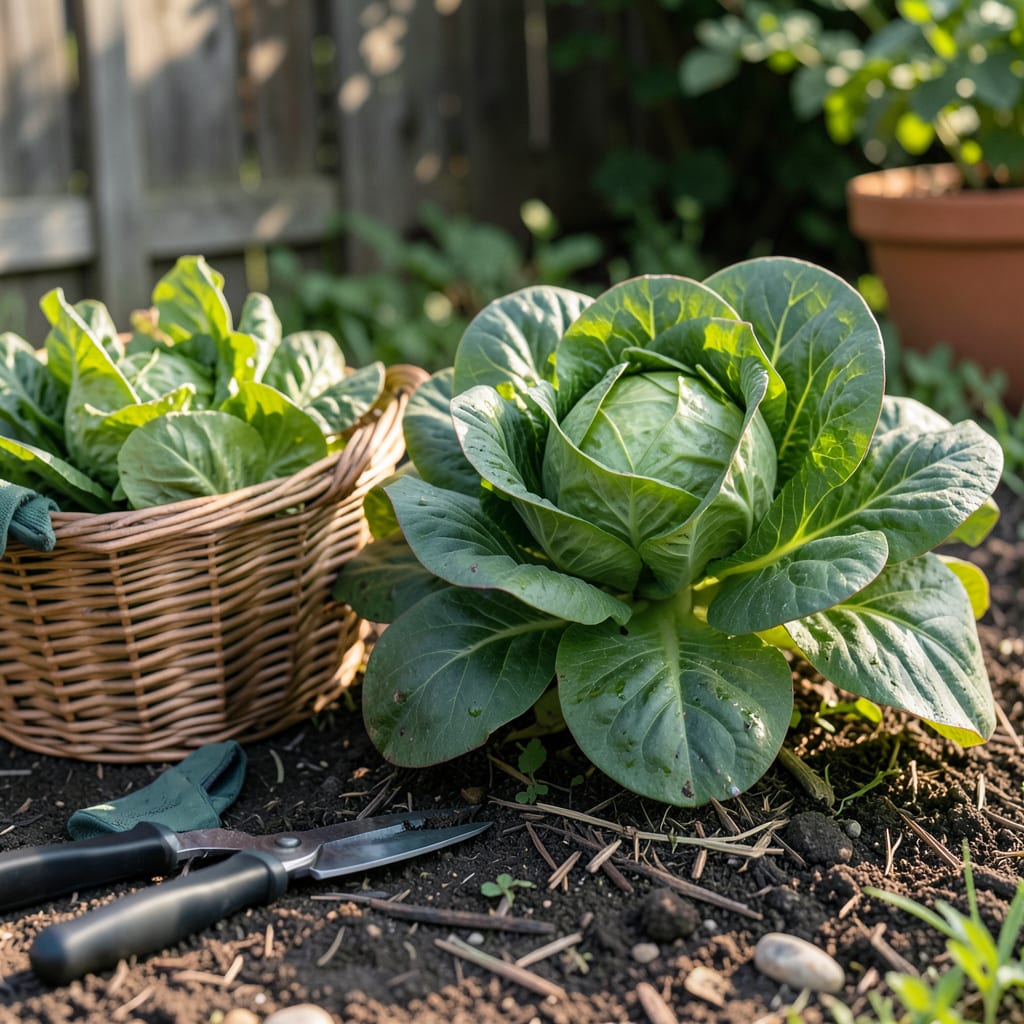
There’s nothing worse than watching your carefully grown 🥬 lettuce turn bitter or wilt before you get to enjoy it. Timing your harvest is everything—pick too soon, and you’ll miss out on full flavor; wait too long, and you’re stuck with tough, overgrown leaves.
I’ve learned the hard way that lettuce gives clear signals when it’s ready. From the stem snap test to leaf size clues, I’ll show you exactly what to look for. Whether you’re growing loose-leaf or crisp romaine, you’ll never second-guess harvest time again.


Knowing exactly when to pick your lettuce can feel like guessing—but your plants actually give clear signals. After years of growing butterhead, romaine, and loose-leaf varieties, I’ve learned to watch for three foolproof visual cues. These signs work for every type, from tender red oakleaf to crisp iceberg heads.
The first clue is leaf size. Most varieties are ready when outer leaves reach 4–6 inches long. But don’t grab your scissors yet—you’ll want to check the other indicators too. I’ve made the mistake of harvesting based on size alone, only to end up with underdeveloped flavor. 🌱
For head lettuce like iceberg, give the center a gentle squeeze. It should feel dense and firm, similar to store-bought heads. If it compresses easily, wait another 3–5 days. I check my romaine by looking at the inner leaves—they should be tightly packed but not bursting open.
Loose-leaf lettuce offers more flexibility. You can start harvesting outer leaves when they’re 3 inches tall, but I wait until most leaves reach 4–5 inches for better flavor. Use clean scissors to cut leaves 1–2 inches above the crown to encourage regrowth. This “cut-and-come-again” method can extend your harvest by 3–4 weeks.
Watch out for bolting signs—when lettuce sends up a flower stalk, leaves turn bitter overnight. In hot climates, I harvest romaine at 5 inches tall rather than waiting for full size. The stem will feel thicker and may develop a slight woody texture at the base when bolting begins.
Color changes are especially important for red varieties like ‘Lollo Rossa’. The leaves should be deep burgundy at the edges with vibrant green centers. If your red lettuce looks more pink than wine-colored, give it more time. Green varieties should be rich emerald, not pale or yellowish.
Here’s a trick I use for butterhead lettuce: Look at how the leaves fold. When ready, the outer leaves will slightly cup inward like a loose rosebud. If they’re still flat or spreading outward, your lettuce needs more time. This variety benefits from the stem snap test more than others because its tender stems can be misleading.
Remember that morning light shows truest colors for judging readiness. What looks vibrant at 8 AM might appear washed out by noon. I make my final harvest decisions before 10 AM for the most accurate assessment. And always use the three-sign rule: If size, stem, and color all indicate readiness, it’s time to pick! ✂️
After harvesting, I immediately rinse leaves in cool water and spin them dry. Store in a container with a paper towel to absorb excess moisture. Properly harvested lettuce stays fresh in the fridge for 7–10 days, though I find homegrown greens taste best within 3–4 days of picking. 🪴
If you’ve ever wondered whether your lettuce is truly ready for harvest, the stem snap test is my go-to trick. This simple method goes beyond just looking at leaf size—it tells you if the plant has reached that perfect balance of crispness and tenderness. I use it for all varieties, from delicate butterhead to sturdy romaine.
Here’s how it works: Gently bend the main stem near the base of the plant. If it snaps cleanly with a satisfying crunch, your lettuce is at peak maturity. If it bends like rubber or feels mushy, give it a few more days. This test works because the stem’s firmness directly reflects the leaf texture you’ll enjoy on your plate.
Handle with Care!
Avoid repeated bending of the same stem—this can damage the plant. Test different stems if checking multiple plants, and always harvest in the cool morning hours for best results.
The stem snap test is especially useful for head lettuce varieties like iceberg or crisphead, where the outer leaves might look ready but the center hasn’t fully developed. I’ve found that romaine lettuce typically passes this test at about 6-8 weeks, while loose-leaf varieties may be ready earlier at 4-6 weeks.
Remember that heat stress can make stems woody prematurely. If your lettuce is bolting (sending up a flower stalk), the stem will feel tough rather than crisp. In this case, harvest immediately—even if the leaves are smaller—because bitter flavors develop quickly once bolting begins.
For cut-and-come-again varieties, I use a modified version of this test. Instead of snapping the main stem, I check the outer leaves by gently tugging them. If they resist slightly before releasing, they’re perfect for harvesting while allowing the inner leaves to continue growing.
Pro tip: Combine the stem snap test with the leaf size check (4-6 inches for most varieties) and color vibrancy for foolproof results. When all three indicators align—crisp stem, proper size, and rich color—you’ve hit the harvest sweet spot. Now grab those scissors and enjoy your homegrown greens! 🪴
Timing your lettuce harvest isn’t one-size-fits-all—it depends on the variety. Loose-leaf lettuce like oakleaf or red sails is ready in as little as 30–40 days, while romaine and butterhead need 55–70 days to mature fully. I always check the seed packet for exact days-to-maturity.
For loose-leaf varieties, you can start harvesting outer leaves when they reach 4–6 inches long. This “cut-and-come-again” method lets you enjoy fresh greens for weeks. Head lettuce (like iceberg) requires patience—wait until the head feels firm and dense when gently squeezed.
| Variety | Days to Maturity | Harvest Method |
|---|---|---|
| Loose-Leaf | 30–45 days | Pick outer leaves |
| Butterhead | 55–65 days | Cut whole head |
| Romaine | 60–70 days | Harvest full plant |
Watch the weather too! Heat waves can trigger bolting (premature flowering), making leaves bitter. If temps climb above 80°F, harvest romaine early—even if heads aren’t fully formed. For butterhead, wait until leaves cup inward slightly.
Pro tip: Morning harvests yield the crispest leaves. Use clean scissors or a knife to avoid crushing stems. For loose-leaf, leave the center intact to encourage regrowth. With head lettuce, cut just above the soil line to prevent rot.
If you’re growing red varieties like ‘Red Sails,’ wait until colors deepen—pale leaves mean they’re not ready. And remember, smaller leaves are often sweeter! Don’t wait too long, or you’ll risk tough, bitter greens. 🥬
Most varieties are ready when leaves reach 4–6 inches long. For loose-leaf types, you can start picking outer leaves at this size. Head lettuce should feel firm and dense when gently squeezed.
Once lettuce bolts (sends up a flower stalk), the leaves quickly turn bitter. Harvest immediately if you see a central stem elongating, even if leaves are smaller. The flavor won’t improve after bolting starts.
This usually means you waited too long to harvest. Heat stress or over-maturity causes bitterness. For best flavor, pick in the cool morning hours before temperatures rise.
For loose-leaf varieties, use clean scissors to cut outer leaves 1–2 inches above the soil. Leave the center intact to encourage regrowth. Head types should be cut just above the soil line.
Morning-harvested lettuce is always crispier because plants are fully hydrated after cool nights. Avoid harvesting during midday heat when leaves wilt more easily.
