
Beautiful Plants For Your Interior
Beautiful Plants For Your Interior
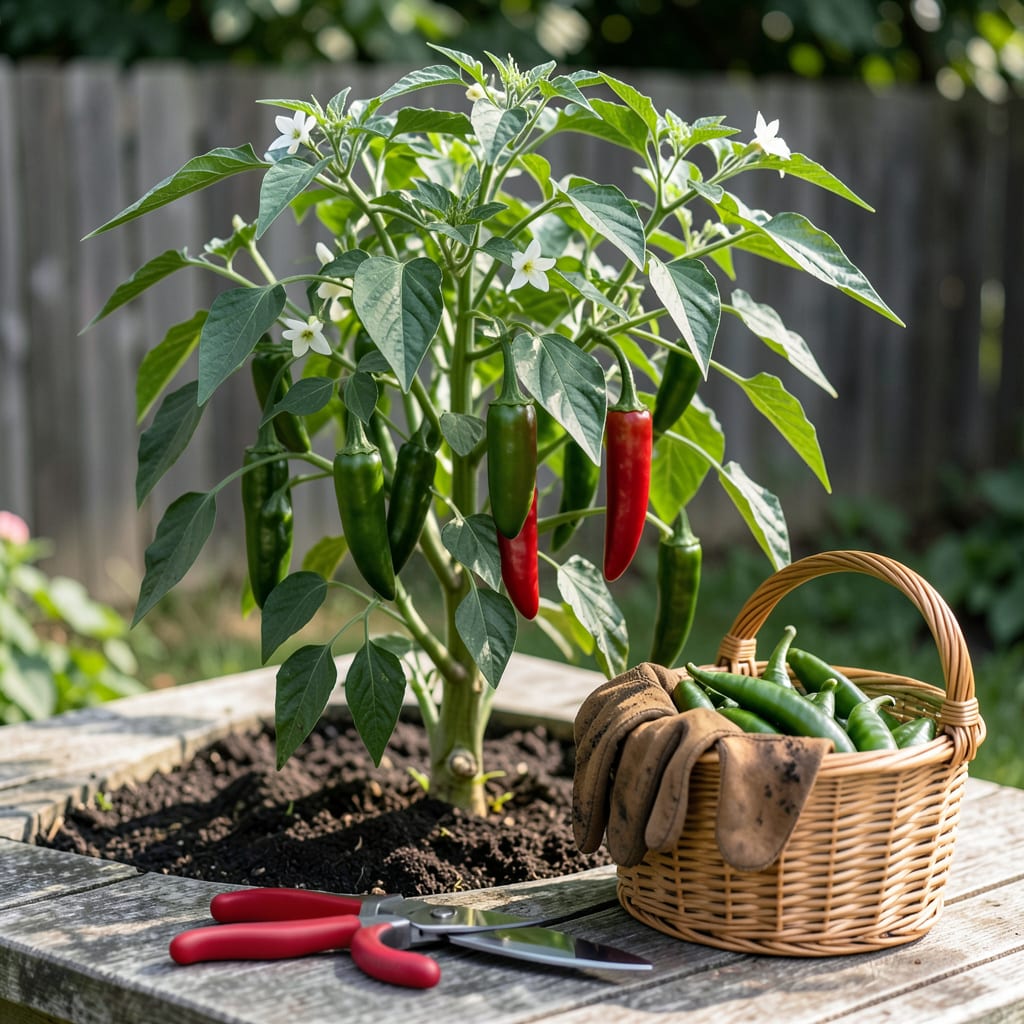
That moment when you’re staring at your 🌶️ jalapeño plants, wondering if they’re actually ready—or if you’re about to ruin weeks of work by picking too soon. We’ve all been there, and the difference between a perfectly ripe pepper and a disappointing one comes down to a few key signs.
I’ll show you exactly what to look for, from color shifts to subtle texture changes, so you never second-guess your harvest again. Whether you want mild green jalapeños or fiery red ones, timing makes all the difference in flavor and heat. Let’s get this right.


Nothing beats the satisfaction of plucking a perfectly ripe jalapeño from your garden—but how do you know it’s truly ready? The secret lies in four key indicators: color, size, firmness, and stem condition. Miss these cues, and you might end up with bitter or underdeveloped peppers.
Most gardeners don’t realize that jalapeños can be harvested at multiple stages, from green to red. Each stage offers different flavors and heat levels. Let’s dive into the visual and tactile signs that guarantee you’ll pick them at their peak—every single time.
| Stage | Color | Size | Firmness | Best For |
|---|---|---|---|---|
| Immature | Pale green 🟢 | Under 1 inch | Soft, thin skin | Not ready—leave on plant |
| Green (Ripe) | Bright green ✅ | 2-3 inches | Firm, glossy | Fresh eating, pickling |
| Red (Fully Ripe) | Deep red 🔴 | 2-3 inches | Slightly softer | Drying, smoking, cooking |
Note: Jalapeños reach full size in 60-90 days; red stage adds 2-3 weeks.
Start by checking the color transition. Green jalapeños are ready when they’re a vibrant, uniform green—not pale or streaky. If you’re aiming for red peppers, wait until they’re fully transformed; partial red patches mean they’re still developing capsaicin (the compound that gives heat).
Next, assess the size and firmness. A ripe jalapeño should measure 2-3 inches long and feel solid when gently squeezed. Press your thumbnail into the skin—if it leaves a slight indentation but bounces back, it’s perfect. Overly soft peppers are past their prime.
The stem test is often overlooked but crucial. A ripe jalapeño’s stem will snap cleanly when bent, while an unripe one bends without breaking. Also, examine the area where the stem meets the pepper—if it’s still green, wait a few more days.
Watch for glossy skin, another telltale sign of ripeness. Dull or wrinkled skin indicates either immaturity or overripeness. I like to harvest in the morning when peppers are most crisp. If you see small cracks or corking (white lines), don’t worry—those are stress marks that actually signal intense flavor!
Avoid the mistake of waiting too long for red jalapeños if you prefer milder heat. Remember, the longer they stay on the plant, the hotter they become. For a continuous harvest, pick green peppers regularly—this encourages the plant to produce more. I use sharp pruners to avoid damaging the stem, which can invite disease.
If you’re unsure, do a taste test with one pepper. Slice a tiny piece—if it’s crisp with a balanced heat, the rest are ready. Store harvested jalapeños in the fridge for up to 2 weeks, or dry/freeze them for long-term use. Pro tip: Wear gloves when handling red jalapeños to avoid skin irritation!
By mastering these visual and tactile cues, you’ll never second-guess your harvest again. Happy picking—your salsas, sauces, and snacks will thank you! 🌶️
Ever wondered why some jalapeños pack a punch while others taste almost sweet? The secret lies in their ripeness stage. Green jalapeños are milder, while red ones bring the heat—sometimes 2-3x spicier due to capsaicin development. Let’s break down how color changes everything.
When jalapeños turn from bright green to deep red, their flavor profile transforms dramatically. Green peppers offer a fresh, grassy taste with moderate heat, perfect for salsas. Red jalapeños develop a sweeter, fruitier undertone with intensified spiciness, ideal for drying or smoking.
If you’re growing jalapeños for fresh eating, pick them green when they’re 2-3 inches long and firm. They’ll have a crisp texture and balanced flavor. For cooking or preserving, red jalapeños add depth—just be prepared for extra heat! I always wear gloves when handling red ones.
The Scoville scale doesn’t lie: green jalapeños average 2,500-5,000 SHU, while red ones can hit 23,000 SHU. That’s nearly jalapeno vs. habanero territory! The longer they stay on the plant, the more capsaicin they develop. Stress factors like drought can also amplify their spiciness.
Want to experiment? Try harvesting a few peppers at different stages. Taste-test them side by side—you’ll notice the difference immediately. I like to keep a mix of green and red on my plants for versatility. Just remember: once picked, jalapeños won’t ripen further, so plan accordingly.
For drying or smoking, red jalapeños are the gold standard. Their thicker skins and concentrated sugars create rich, complex flavors. If you’re making chipotle peppers, wait until they’re fully red before harvesting. The extra patience pays off in smoky, spicy goodness.
Harvesting jalapeños the right way isn’t just about timing—it’s about protecting your plant for future yields. I’ve seen too many gardeners accidentally stunt their pepper production by using brute force. The key is gentle technique and the right tools to keep your plant thriving all season.
Your jalapeño plant can continue producing for months if you harvest carefully. The wrong approach can lead to broken stems, disease entry points, or even uprooting the plant. Let me show you the professional way to pick peppers while actually encouraging your plant to produce more.
Bonus: After picking, give your plant a light fertilizer boost to encourage new growth.
Always cut the pepper with a short stem attached—this helps prevent rot during storage. Never yank or twist peppers, as this damages the plant’s vascular system. I like to hold the branch steady with one hand while cutting with the other to avoid accidental breaks.
Check for hidden pests like aphids or hornworms while harvesting. Early detection prevents infestations. Look under leaves and at stem junctions where pests love to hide. If you spot any, remove them immediately and consider spraying with neem oil.
After harvesting, give your plant some TLC. Water deeply at the base (avoid wetting leaves) and add a layer of mulch to retain moisture. I’ve found that plants produce 30% more peppers when properly cared for post-harvest. Remove any yellowing leaves to direct energy toward new pepper production.
For continuous harvests, pick peppers every 3-5 days during peak season. Regular harvesting signals the plant to produce more. I keep a small basket in my garden to collect peppers daily—this prevents overripe peppers from sapping energy from new growth.
Remember that jalapeño plants are sensitive to temperature changes. If nights drop below 50°F, your harvest window shortens. In this case, pick all mature peppers before cold snaps to prevent damage. With these techniques, you’ll enjoy bountiful harvests all season while keeping your plants healthy! 🌱
Jalapeños are ready when they reach 2-3 inches in length. Smaller peppers (under 1 inch) are still developing, while oversized ones may be overripe. Always check firmness too—ripe peppers should feel solid with slight give.
Green jalapeños average 2,500-5,000 SHU, while red ones can hit 23,000 SHU—that’s 2-3x spicier. The longer they stay on the plant, the more capsaicin develops. For milder flavor, harvest green. For maximum heat, wait for red.
You can, but they’ll lack full flavor and heat. Early-picked peppers are often bland and thin-skinned. If frost threatens, harvest all mature peppers immediately. Otherwise, patience pays off with better-tasting results.
Check plants every 3-5 days during peak season. Regular harvesting encourages more production. I use a small basket for daily collection to prevent overripe peppers from draining plant energy.
