
Beautiful Plants For Your Interior
Beautiful Plants For Your Interior
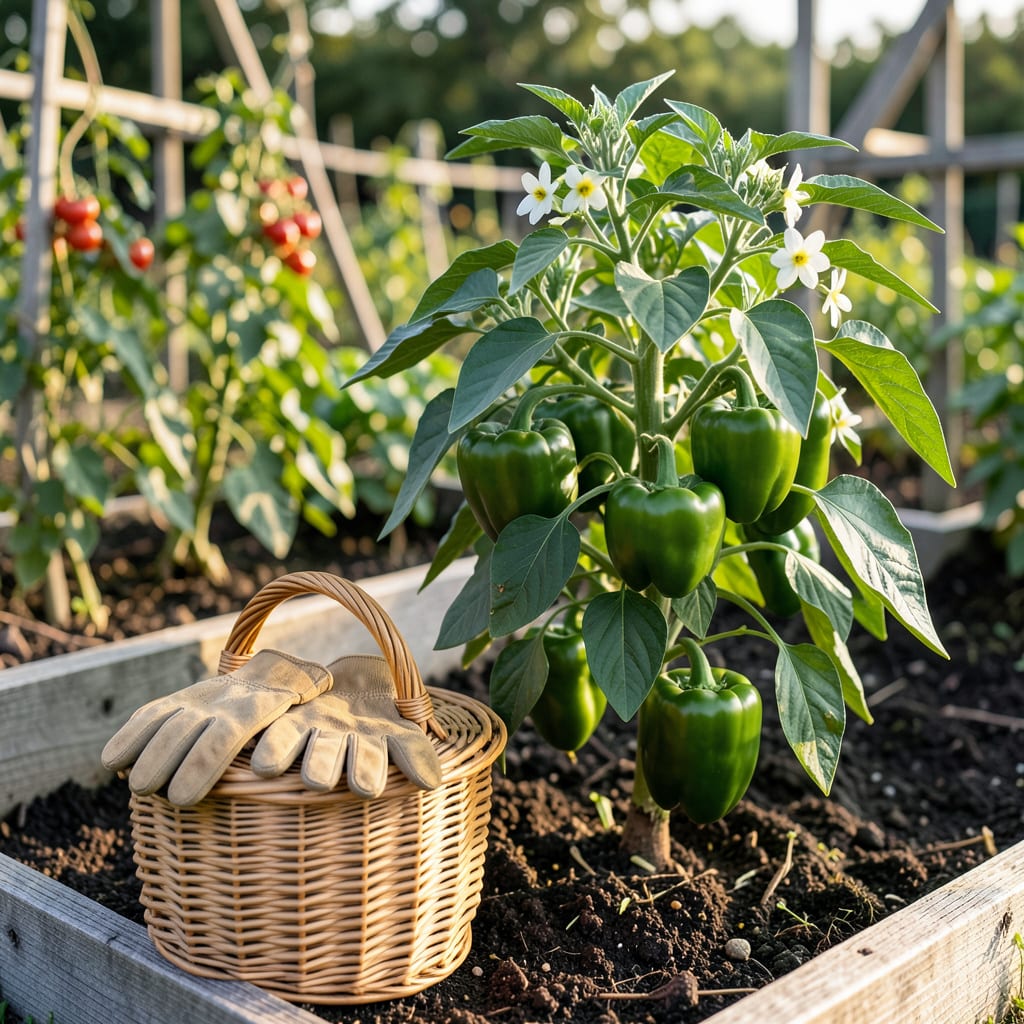
That moment when your green bell peppers finally look ready—only to taste disappointingly bland or turn mushy too soon. I’ve been there, staring at my plants wondering why my harvest never matches the grocery store’s perfect peppers.
The truth? Most gardeners miss three subtle visual cues that separate a mediocre pepper from a crisp, flavorful one. After years of trial and error (and more underripe peppers than I’d like to admit), I’ve cracked the code. Let’s fix your harvest—for good.


If you’ve ever wondered why your homegrown green bell peppers taste bland, chances are you picked them too soon. Unlike store-bought peppers, garden-fresh ones reveal their readiness through subtle clues. I’ve learned the hard way that size alone isn’t enough—you need to check for firmness and shine too.
Most gardeners assume peppers are ready when they turn a deep green, but that’s only part of the story. The real secret? A combination of size, texture, and glossiness. Miss one, and you might end up with peppers that are either underdeveloped or past their prime. Let’s break down the three key signs.
Measure your peppers—they should match the variety’s mature dimensions. Smaller peppers lack flavor and crispness.
Gently squeeze the pepper. If it feels solid with thick walls, it’s ready. Softness means it needs more time.
A bright, shiny green indicates peak ripeness. Dull or pale green? Leave it on the plant a few more days.
First, let’s talk about size. Most green bell pepper varieties reach maturity at 3-4 inches long and 2-3 inches wide. If your peppers are smaller, they’re still developing sugars and nutrients. I like to use a small ruler or my hand for a quick check—your index finger to pinky spread is roughly 3-4 inches.
Next, test the firmness. A ready-to-pick pepper should feel dense and crisp, almost like a firm apple. If it gives slightly under pressure or the walls feel thin, it’s not quite there. This step is crucial because underripe peppers often taste bitter or watery. Give them a gentle squeeze near the stem—it should resist slightly.
Finally, examine the color and shine. A ripe green bell pepper has a vibrant, glossy surface, almost like it’s been polished. If the skin looks dull or has patches of lighter green, it’s still maturing. I’ve noticed that peppers exposed to more sunlight develop this shine faster, so keep an eye on those facing south.
One common mistake is waiting for peppers to turn red or yellow. While they’ll eventually change color, green bell peppers are best picked at the green stage for that classic crisp texture. If you leave them too long, they’ll start softening and lose their signature crunch. Trust me, I’ve ruined a whole batch by waiting for a “perfect” red!
Another pro tip: Check the stem and calyx (the green cap on top). If the stem is still flexible and green, the pepper is good to go. A brittle or brown stem often means it’s overripe. I also look at the calyx—if it’s tightly attached and fresh-looking, the pepper is at its peak.
If you’re growing multiple varieties, note that thin-walled peppers (like some hybrid types) mature faster than thick-walled ones. Always refer to your seed packet for specific size guidelines, but the firmness and glossiness rules apply universally. When in doubt, pick one test pepper and slice it open—the walls should be thick and juicy.
Timing matters too. In my garden, peppers usually reach harvest readiness 60-75 days after transplanting, but hot weather can speed this up. If you’re in a cooler climate, add a week or two. Keep a gardening journal to track your plants’ progress—it’s the best way to predict future harvests accurately.
Once you’ve confirmed all three signs, use clean pruners or scissors to cut the stem, leaving about ½ inch attached. Avoid twisting or pulling, which can damage the plant and reduce future yields. I like to harvest in the early morning when peppers are crispest and the plant is well-hydrated.
If you accidentally pick a pepper too early, don’t panic! Store it at room temperature for a day or two—it may develop a bit more flavor. Overripe peppers? They’re great for stuffing or roasting, where texture matters less. With practice, you’ll get the timing just right every season.
Timing your green bell pepper harvest perfectly means understanding each growth stage. From the first delicate flowers to the final glossy fruit, your peppers go through five distinct phases. I’ll walk you through what to expect at each step.
Most varieties take 60-90 days from transplanting to harvest, but climate plays a huge role. Hotter regions may see peppers mature 10-14 days faster, while cooler zones could extend the timeline. Keep an eye on your plants—they’ll tell you when they’re ready.
| Growth Stage | Days After Transplant | Visual Cues |
|---|---|---|
| Flowering | 25-35 days | Small white flowers appear; no peppers yet |
| Fruit Set | 35-45 days | Tiny peppers form at flower bases (1/2 inch long) |
| Rapid Growth | 45-60 days | Peppers reach 2-3 inches but stay pale green |
| Maturing | 60-75 days | Full size (3-4 inches), deepening color, firm walls |
| Peak Ripeness | 75-90 days | Glossy, thick-walled, and vibrant green |
🌱 Note: Adjust timelines for your USDA zone—cooler climates may add 7-10 days per stage.
If your peppers seem stuck in the “rapid growth” phase, check for stressors like inconsistent watering or nutrient deficiencies. A balanced fertilizer (5-10-10) can kickstart sluggish plants. I’ve seen peppers double in size within a week after addressing these issues.
Watch for uneven coloring—this often signals sunburn or pest damage. Peppers with yellow patches may still be edible but lack sweetness. If your harvest window is nearing and peppers remain small, prioritize the largest ones first to encourage remaining fruits to mature.
Pro tip: Morning harvesting yields the crispiest peppers. The fruits are most hydrated after cool nights, making them firmer and easier to cut. Use clean pruners to avoid introducing bacteria to the plant. I always wipe my tools with rubbing alcohol between cuts.
Don’t panic if some peppers turn red or yellow—they’re just overripe! These are sweeter but softer, perfect for immediate use. For classic green peppers, harvest before color changes begin. Store picked peppers in the fridge’s crisper drawer for up to 10 days.
Timing your green bell pepper harvest is like walking a tightrope—pick too soon, and you’ll sacrifice flavor and crunch, but wait too long, and you risk rot or pest damage. I’ve seen gardeners lose half their crop by misjudging just a few days. The good news? Even imperfect peppers can often be saved with the right approach. 🌱
An underripe pepper isn’t just small—it’s thin-walled and bland, lacking the sweetness and crisp texture we grow them for. These peppers also store poorly, turning mushy within days. On the flip side, overripe peppers develop soft spots, attract fruit flies, and may even start turning red if left too long.
If you’ve picked peppers too early, don’t toss them! Try ripening indoors by placing them in a paper bag with a banana or apple. The ethylene gas will speed up maturity slightly. For overripe peppers, cut away soft spots and use them in fresh dishes—they’re still edible but won’t last long. 🪴
The biggest risk of late harvesting isn’t just flavor—it’s plant stress. Overripe peppers drain energy from the plant, reducing future yields. I once left a batch too long and noticed my next flush of peppers was 30% smaller. If you’re growing in hot climates, watch for sunscald (white patches) on overripe fruits. ☀️
Here’s my rule of thumb: When in doubt, harvest early and let peppers ripen indoors. It’s easier to salvage a slightly underripe pepper than to revive one that’s turned to mush on the vine. And remember, green bell peppers are technically unripe—they’ll never reach full sweetness until they turn red, but that’s a different harvest goal entirely! 🌿
Most varieties take 60-90 days from transplanting to harvest. In warmer climates, they may mature 10-14 days faster, while cooler zones could extend the timeline. Always check the seed packet for variety-specific details.
Small peppers (under 3 inches) often lack flavor and thickness. Wait until they reach 3-4 inches long and feel firm. If time is running short before frost, harvest the largest ones first to encourage remaining fruits to mature faster.
Morning harvesting yields the crispiest peppers. They’re most hydrated after cool nights, making them firmer and easier to cut. Use clean pruners to avoid introducing bacteria to the plant.
Always use sharp scissors or pruners to cut the stem cleanly. Twisting can damage the plant and leave it vulnerable to disease. Leave about 1/2 inch of stem attached to the pepper for better storage.
Red peppers are simply overripe green ones! They’re sweeter but softer—perfect for immediate use. For classic green peppers, harvest before any color change begins. Store them in the fridge’s crisper drawer for up to 10 days.
