
Beautiful Plants For Your Interior
Beautiful Plants For Your Interior
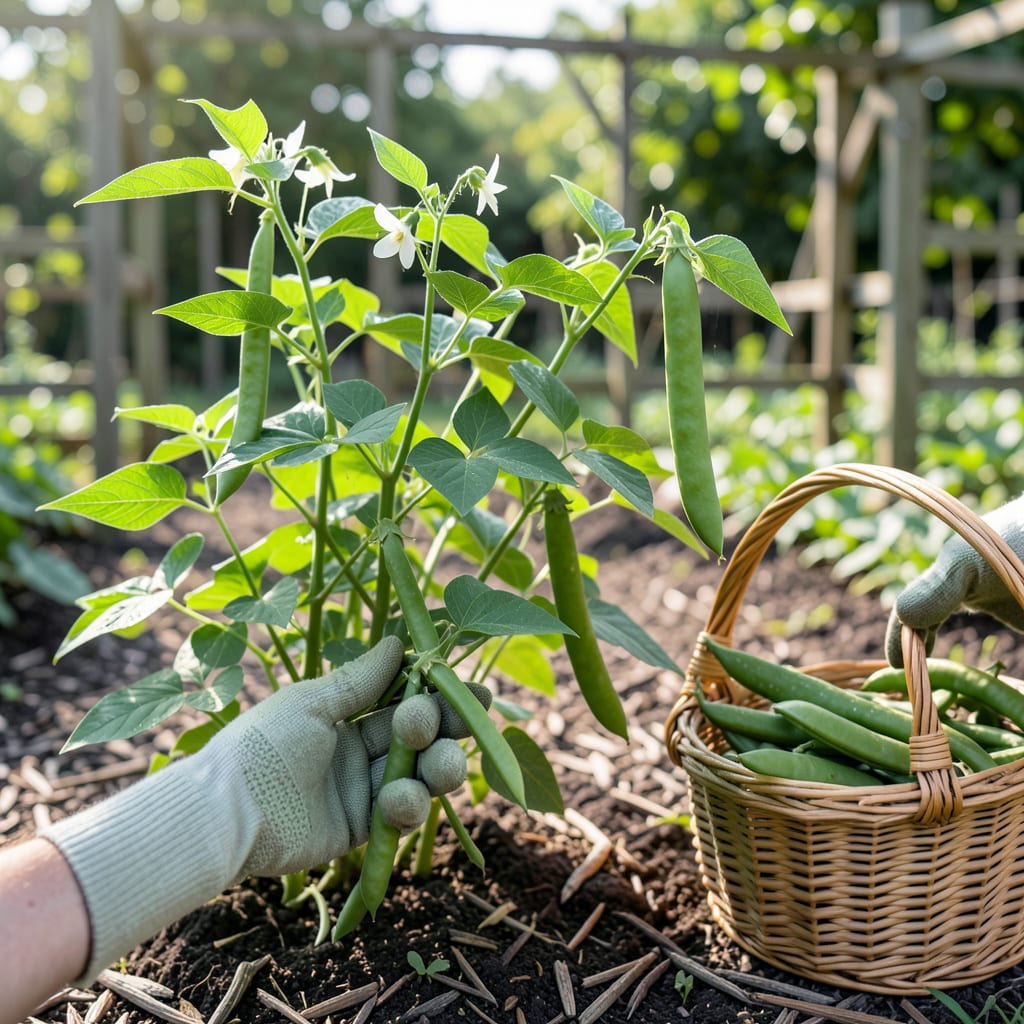
There’s nothing like the crisp snap of a perfectly ripe green bean—fresh from the vine and bursting with sweetness. But timing that harvest? That’s where many gardeners stumble, ending up with pods that are either underwhelmingly flat or disappointingly tough.
I’ve learned the hard way that waiting for the right signs—like firmness, color, and that telltale bulge of seeds—makes all the difference. Stick with me, and I’ll show you exactly how to spot the ideal moment, so every bite is as satisfying as it should be.


Nothing beats the satisfaction of plucking a perfectly ripe green bean—firm, sweet, and ready to snap. But how do you know when that moment arrives? After years of trial and error, I’ve learned it’s all about three key signs: color, texture, and the famous snap test.
Whether you’re growing bush beans or pole beans, these cues apply. The trick is catching them at their peak—before they turn tough or lose their sweetness. Let’s dive into what to look for, so you never miss that ideal harvest window again.
First, examine the color. A ripe green bean should be vibrant and even, like a fresh spring leaf. If it’s dull or patchy, it’s either not ready or over the hill. I always compare pods on the same plant—if most are bright green and one looks off, it’s likely not ready yet.
Next, the snap test is my go-to method. Grab a pod and bend it gently. A perfect bean will break with a satisfying crisp snap, almost like breaking a fresh carrot. If it bends like a straw or feels limp, it needs more time. This test works for all varieties, from slender filet beans to heartier Kentucky Wonders.
Finally, check for seed bulges. Run your thumb and forefinger along the pod. You should feel tiny, smooth bumps—those are the seeds developing inside. If the bumps are pronounced or the pod feels lumpy, the seeds are too mature, and the pod will be tough. For the best texture, harvest when the seeds are just noticeable but not pushing against the pod’s skin.
Size matters too, but it’s not the only factor. Most green beans are ready when they’re 4–6 inches long, about the length of a pencil. However, some varieties like ‘Haricot Vert’ are best at just 3–4 inches. Always refer to your seed packet for specifics, but trust the snap test over size alone.
One mistake I see often is waiting for beans to “fill out” like peas. Green beans are best when the seeds inside are small and tender. If you can see the outline of large seeds through the pod, you’ve waited too long. The plant will also take this as a cue to stop producing new flowers, cutting your harvest short.
Weather plays a role too. In hot, dry conditions, beans may mature faster, so check plants daily. Cooler weather slows growth, giving you a slightly longer window. I like to harvest in the early morning when pods are plump with dew—it makes the snap test even more accurate.
If you’re still unsure, pick a test pod and taste it raw. A perfectly ripe bean will be crisp, juicy, and slightly sweet. Underripe beans taste grassy, while overripe ones are starchy or fibrous. Trust your senses—they’re the best tools for nailing that ideal harvest time.
Remember, the more you pick, the more your plants will produce. Green beans are prolific yielders when harvested regularly, so don’t be shy about plucking every ready pod. Your plants—and your taste buds—will thank you! 🌿
If you want a nonstop supply of crisp green beans, timing your harvests is everything. I’ve found that picking every 2–3 days keeps the plants in production mode, preventing them from shifting energy into seed development. Miss a few days, and you’ll notice fewer new flowers—and fewer beans.
The key is consistency. Once your plants start producing, check them daily. Green beans grow surprisingly fast, especially in warm weather. A pod that’s perfect today might be overgrown and tough by tomorrow. I like to harvest in the early morning when pods are plump with dew.
| Stage | Action | Frequency |
|---|---|---|
| First Flowers | Monitor for tiny pods | Daily checks |
| Pods 3–4 inches | Begin harvesting | Every 2–3 days |
| Peak Production | Harvest all ripe pods | Every 1–2 days |
| End of Season | Remove remaining pods | Final harvest |
For bush beans, expect a concentrated harvest over 2–3 weeks. Pole beans, on the other hand, produce steadily for 6–8 weeks if you keep up with picking. I mark my calendar when the first pods appear—usually 50–60 days after planting—to track the harvest window.
If you’re growing multiple varieties, note that filet beans (like ‘Haricot Vert’) are ready when pencil-thin, while standard green beans should be pencil-width. Always use the snap test: if it bends instead of breaking cleanly, it’s not ready. Overmature pods signal the plant to stop flowering.
After harvesting, store beans in the fridge unwashed in a perforated bag for up to 5 days. For longer storage, blanch and freeze them. But honestly? Freshly picked beans taste so good, they rarely last that long in my kitchen. The more you pick, the more your plants will give you!
Pro tip: If your plants slow down, a light fish emulsion fertilizer can boost late-season production. Just avoid high-nitrogen feeds, which promote leaves over pods. Keep the soil evenly moist—especially during flowering—and you’ll be rewarded with wave after wave of beans.
Remember, green beans are one-and-done producers. Once a pod matures fully, the plant thinks its job is done. By harvesting regularly, you trick it into keeping those flowers coming. It’s a little extra effort, but the payoff is a bountiful harvest all season long.
Timing your green bean harvest isn’t just about flavor—it’s about keeping your plants productive. Pick too soon, and you’ll miss out on that sweet, crisp snap we all crave. Wait too long, and you’re left with tough, stringy pods that even the most patient cook can’t salvage.
I’ve seen gardeners accidentally stunt their yields by leaving beans on the vine past their prime. The plant thinks its job is done and stops flowering, meaning fewer pods for you. Let’s break down what happens at each extreme—and how to avoid both pitfalls.
If you’ve ever bitten into an early-picked bean, you know the disappointment: it’s like chewing on a watery grass blade. The pods haven’t had time to develop their natural sugars, and the seeds inside are barely there. A quick snap test solves this—if it bends instead of breaking cleanly, give it another day or two.
On the flip side, overmature beans are a double loss. Not only are they unpleasant to eat, but the plant interprets those swollen seeds as a signal to wrap up production. I once left a patch unharvested for a week during a heatwave, and my yield dropped by half for the rest of the season.
Here’s the fix: Check your plants daily once pods start forming. Bush beans often mature all at once, while pole varieties stagger their harvest. When in doubt, pick a test pod and snap it—your taste buds (and your plant’s future yield) will thank you.
Remember, green beans are prolific producers if you stay on top of harvesting. A little attention now means more crisp, sweet pods later—and isn’t that why we garden in the first place? 🌱
Use the snap test: gently bend the pod. If it breaks cleanly with a crisp snap, it’s ready. If it bends like rubber, give it another day. For extra confirmation, check the thickness—it should match a pencil’s width.
Bitterness comes from waiting too long to harvest. Once seeds inside bulge visibly, the pod turns starchy and fibrous. For best flavor, pick when pods are smooth and seeds are barely noticeable. Overmature beans also signal plants to stop producing.
Morning is ideal because pods are plump with overnight moisture, making them crisper. Evening harvests work too, but beans may be slightly limp from daytime heat. If you must pick later, store them in the fridge immediately to restore firmness.
Most varieties stay at peak quality for 2–3 days once ripe. After that, they quickly become tough. In hot weather, check daily—beans mature faster. If you’ll be away, harvest just before leaving and refrigerate unwashed in a paper bag.
Both use the same readiness cues (snap, color, thickness), but pole beans often produce over a longer period. Bush beans tend to mature all at once, so check them daily during their 2–3 week harvest window. Pole varieties may need picking every 1–2 days for weeks.
