
Beautiful Plants For Your Interior
Beautiful Plants For Your Interior
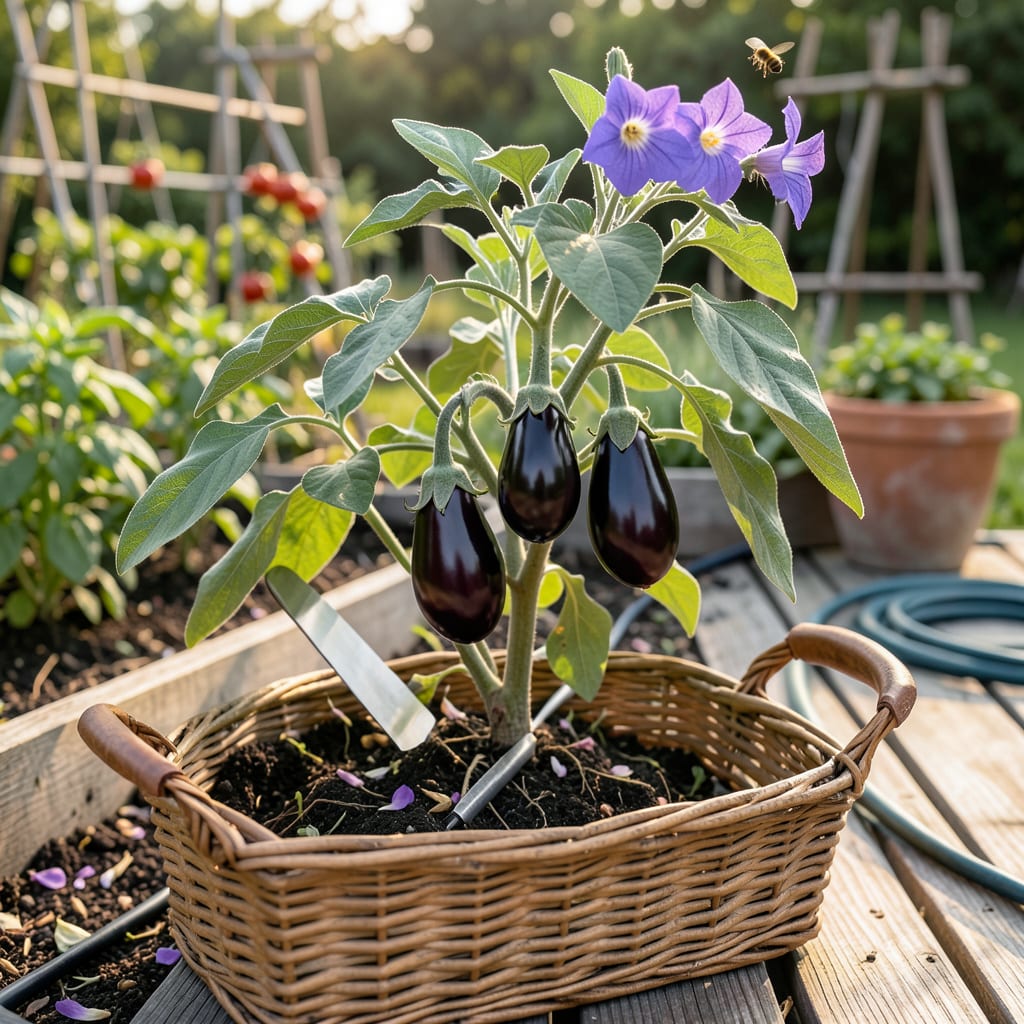
That moment when you’re staring at your 🍆 Eggplant, wondering if it’s ready—too soon and it’s tough, too late and it’s bitter. I’ve been there, and the difference between a perfect pick and a disappointing one comes down to two simple tricks.
No guesswork needed: we’ll cover the skin shine test and the thumb pressure check that reveal ripeness instantly. Whether you’re growing Black Beauty or slender Ichiban, you’ll learn exactly what to look (and feel) for—so every harvest is sweet, tender perfection.


Nothing beats the satisfaction of plucking a perfectly ripe eggplant from your garden. But timing is everything—too soon and it’s tough, too late and it’s bitter. I’ve learned the visual cues are your best guide, especially when varieties like Black Beauty or Ichiban behave differently.
The first clue is skin glossiness. A ripe eggplant should have a shiny, reflective surface, almost like it’s been polished. If it looks dull or matte, it’s either not ready or past its prime. This is especially true for dark purple varieties, which lose their luster as they overripen.
| Variety | Ready-to-Harvest Signs | Not Ready Yet |
|---|---|---|
| Black Beauty | Deep purple, glossy skin, 6-8″ long | Dull skin, hard as a rock |
| Ichiban | Slender, vibrant purple, 8-10″ long | Pale streaks, squishy texture |
| White Egg | Creamy white, firm to touch, 4-6″ long | Yellowish tint, soft spots |
💡 Pro Tip: Always check the seed packet for variety-specific size guidelines.
Next, examine the color uniformity. A ripe eggplant should have consistent coloring from stem to tip. Green or brown patches mean it’s not ready, while yellowing or bronzing signals it’s overripe. For striped varieties like Rosa Bianca, the stripes should be vivid and well-defined.
Size matters too, but don’t rely on it alone. Most eggplants reach 6-8 inches long when mature, but some varieties (like Fairy Tale) stay small. The key is comparing it to the expected size for your specific type. If it’s undersized but glossy, give it 2-3 more days before checking again.
The stem and calyx (the green cap) offer hidden clues. A fresh green stem means it’s ready, while a brown, woody stem suggests it’s overmature. If the calyx starts to wilt or dry out, harvest immediately—it’s a sign the fruit is drawing moisture from the plant and turning bitter.
For white or light-colored varieties, press gently on the skin. If it leaves a slight indentation (like a ripe avocado), it’s perfect. Dark varieties should feel firm but not hard. If your thumb bounces back instantly, wait another day or two. If it stays dented, you’ve waited too long.
Don’t forget to check the weight. A ripe eggplant should feel heavy for its size, indicating juicy flesh inside. Lift a few at different stages to train your hand—you’ll quickly notice the difference between a light, unripe fruit and a dense, ready-to-pick one.
If you’re growing Asian eggplants (long and thin), they’re best harvested younger and smaller—about 8-10 inches—while they’re still tender. European varieties like Ronde de Valence (round purple ones) should feel plump and firm, not squishy. When in doubt, harvest earlier—eggplants continue ripening off the vine but won’t recover from overripeness.
Finally, trust your instincts. If the eggplant passes the glossy skin, firm touch, and size check, it’s time to pick. Use pruning shears to avoid damaging the plant, leaving about 1 inch of stem attached. Store at room temperature and use within a week for the best flavor. 🌱
When it comes to harvesting eggplants, your hands are just as important as your eyes. The thumb test is my go-to method for checking ripeness—gently press your thumb against the skin. A perfectly ripe eggplant will give slightly, like a firm avocado, but bounce back quickly.
If the skin feels rock-hard, your eggplant needs more time. But be careful—if your thumb leaves an indentation, the fruit is overripe and may taste bitter. I also check the stem flexibility; a ripe eggplant has a green, pliable stem, while an overripe one turns woody and brown.
Another trick I swear by is the weight test. Pick up the eggplant—if it feels surprisingly heavy for its size, it’s packed with moisture and ready to harvest. Underripe eggplants feel light and hollow, while overripe ones might feel mushy or uneven in weight.
Timing matters too! Most eggplant varieties reach maturity in 60-90 days from planting. I mark my calendar when flowers appear, since fruit typically ripens 2-3 weeks after blooming. In hotter climates, eggplants may mature faster, so check daily once they near full size.
When harvesting, always use pruning shears or a sharp knife to avoid damaging the plant. Cut the stem about 1 inch above the fruit, leaving a small portion attached. Never twist or pull—this can harm the plant and reduce future yields.
After picking, store eggplants in a cool, dry place (around 50°F/10°C) and use them within a week for best flavor. If you notice the skin turning dull or wrinkled, it’s a sign they’re losing freshness. Now you’re ready to enjoy the fruits of your labor—literally! 🌱
Timing your eggplant harvest wrong can turn a promising crop into a disappointing one. I’ve learned the hard way that picking too early means tough, bitter flesh, while waiting too long leads to seedy, spongy fruit. The good news? Both scenarios have workarounds.
An underripe eggplant feels rock-hard and has dull skin. If you’ve already picked it, don’t toss it! Try ripening it indoors at room temperature for 2-3 days. Place it in a paper bag with a banana—the ethylene gas will speed up the process slightly. You won’t get perfect texture, but it’ll be edible.
Fix: Ripen indoors 2-3 days
Fix: Scoop out seeds, use in stews
💡 Best Practice: Harvest when skin is glossy and fruit yields to gentle pressure.
An overripe eggplant is trickier to salvage. The seeds become large and bitter, and the flesh turns spongy. My solution? Cut it open, scoop out the seeds, and use the remaining flesh in hearty dishes like ratatouille or baba ganoush where texture matters less. The skin might still be usable if it’s not wrinkled.
Climate plays a role too. In hot, dry conditions, eggplants mature faster and can become overripe in just 24-48 hours once they reach full size. I check my plants daily during heatwaves. Cool, wet weather slows ripening, so you might need to wait an extra 3-5 days for that perfect glossy finish.
If you’re growing heirloom varieties like Rosa Bianca or Listada de Gandia, watch for color changes in their stripes. When the white streaks turn creamy yellow, harvest immediately—they overripen faster than solid-colored types. For Asian eggplants, harvest when they’re slender and firm; they become fibrous if left too long.
Remember: Eggplants don’t ripen uniformly after picking like tomatoes do. Once cut from the plant, their sugar content and texture are locked in. That’s why I always do the thumb test and gloss check before harvesting—it’s the only way to guarantee that perfect balance of tenderness and flavor. 🌿
Check for glossy, reflective skin—this is the #1 visual cue. The color should be vibrant and uniform from stem to tip. Dull or matte skin means it’s either underripe or overripe.
Use the thumb test: gently press the skin. It should give slightly (like a ripe avocado) but bounce back. If it feels rock-hard, wait. If your thumb leaves a dent, it’s overripe.
Size is variety-dependent, but most standard types are ready at 6-8 inches long. Asian varieties are best picked younger and smaller (8-10 inches). Always compare to your seed packet’s size guidelines.
Early picks will be tough and bitter with underdeveloped seeds. Try ripening it indoors in a paper bag with a banana for 2-3 days. It won’t be perfect, but becomes more edible.
Yes! Cut it open, remove the large bitter seeds, and use the flesh in cooked dishes like ratatouille or baba ganoush. The skin may still be usable if not wrinkled.
