
Beautiful Plants For Your Interior
Beautiful Plants For Your Interior
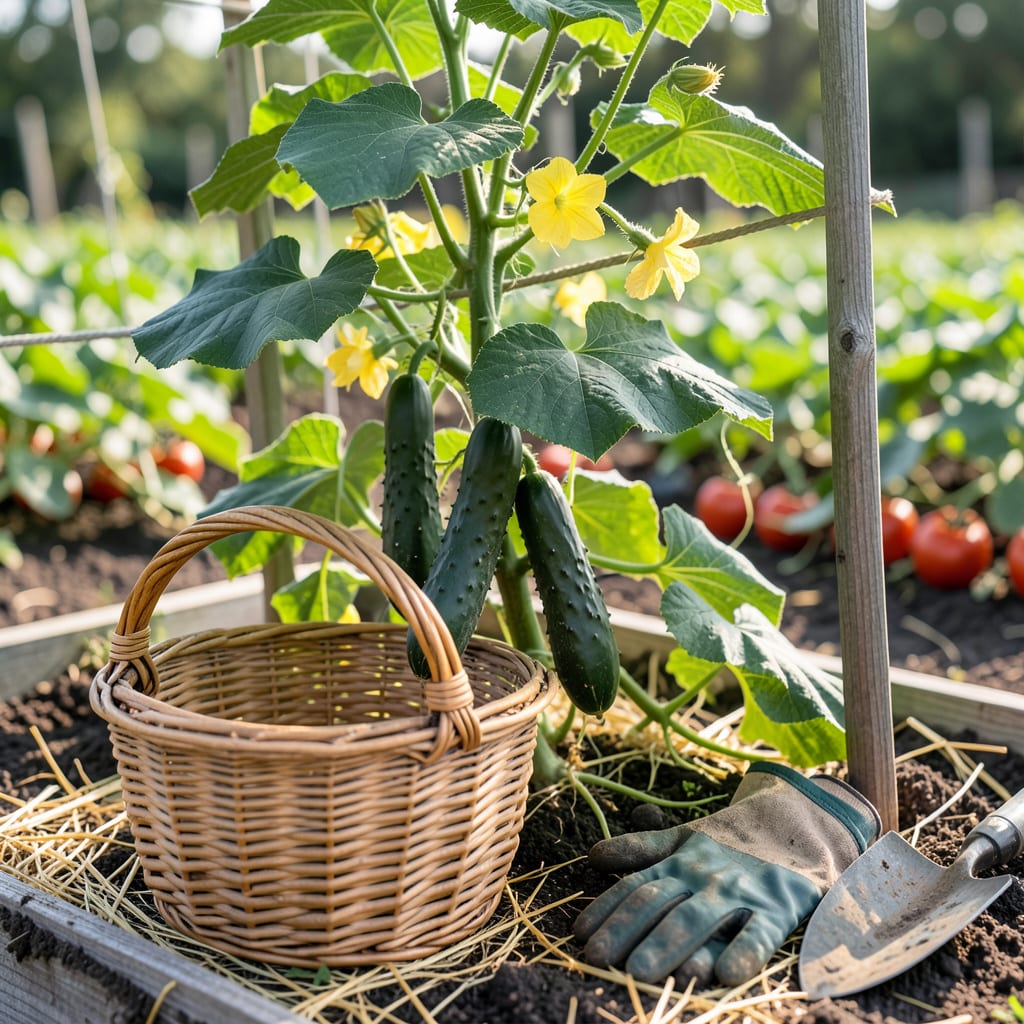
There’s nothing worse than cutting into a homegrown cucumber only to find it bitter, seedy, or mushy. I’ve been there—standing in the garden, staring at my vines, wondering if today’s the day or if I should wait. The difference between a perfectly crisp harvest and a disappointing one often comes down to two simple visual clues.
After years of trial and error with my own 🥒 patches, I’ve narrowed it down to the tendril curl and skin shine tests—foolproof methods that take the guesswork out of timing. Whether you’re growing slicers for salads or pickling varieties for jars, these techniques will ensure you pluck them at peak flavor. Let’s break it down so you never second-guess again.


If you’ve ever stood in your garden wondering when to pick cucumbers, the tendril curl method is your secret weapon. Those curly little tendrils near the fruit aren’t just decorative—they’re nature’s harvest timer. When they turn brown and dry, your cucumber is ready to pick.
I’ve found this method works for all cucumber varieties, from slicing to pickling types. The key is watching the tendril closest to the fruit’s stem. Green and flexible means “wait,” but brown and crispy? That’s your cue to harvest within 24-48 hours for peak flavor.
| Tendril State | Cucumber Stage | Action Needed |
|---|---|---|
| Bright green, flexible | Underripe | Wait 2-3 days, check daily |
| Green with brown tips | Nearing ripe | Test skin shine (see next section) |
| Fully brown, crispy | Peak ripeness | Harvest immediately |
| Brittle, falling off | Overripe | Use for pickling or compost |
*For pickling cucumbers, harvest when tendrils are 50% brown for extra crunch.
Here’s why this works: cucumbers release ethylene gas as they ripen, which triggers the tendril to dry out. It’s the same process that makes leaves turn brown in fall. I check my plants every morning during harvest season—once I spot that first brown tendril, I mark the calendar.
Pro tip: Varieties matter. Slicing cucumbers like ‘Straight Eight’ can stay on the vine slightly longer than pickling types like ‘Boston Pickling’. Always cross-check the tendril test with the skin shine method (which we’ll cover next) for foolproof results.
If you’re growing vining cucumbers on a trellis, tendrils are even easier to spot. For bush varieties, gently part the leaves to examine the tendrils near the fruit’s stem. I use a small hand mirror to check hard-to-see areas without disturbing the plant.
Remember, cucumbers grow fast in hot weather—sometimes ready in just 48 hours after the tendril browns. In cooler weather, you might have 2-3 days before they become overripe. That’s why I recommend checking plants daily once they start producing.
What if the tendril breaks off? Don’t panic! Look for these backup signs: the cucumber should feel firm but not hard, and the skin should have a slight sheen. We’ll dive deeper into skin tests in the next section, but the tendril method alone will get you 90% accuracy.
I’ve saved countless cucumbers from becoming bitter, seedy disappointments by mastering this one simple trick. Once you start watching those tendrils, you’ll wonder how you ever gardened without this natural harvest alarm. Next up: we’ll explore how skin texture and color confirm what the tendrils tell you.
For the most flavorful cucumbers, harvest in the early morning when plants are most hydrated. Use clean pruning shears or twist gently—never pull—to avoid damaging the vine. Your plants will thank you with even more delicious cucumbers!
Still unsure? Try the fingernail test: press gently into the skin. If it leaves a slight indentation that bounces back, it’s perfect. If the mark stays, it’s overripe. Combine this with the tendril method, and you’ll be a cucumber-harvesting pro in no time.
Once you’ve checked the tendril curl, it’s time to examine the cucumber itself. The skin’s appearance tells you almost everything about ripeness. A perfectly ripe cucumber will have a vibrant, glossy sheen—like it’s been polished by morning dew. Dull skin? That’s your cue to wait a few more days.
Color matters just as much as shine. Most varieties should be a uniform, deep green (or golden for specialty types like ‘Lemon’ cucumbers). Watch for yellow patches—they signal overripeness and bitterness. If your cucumber looks like it’s wearing a camouflage pattern of light and dark spots, it’s not ready yet.
The fingernail test is my secret weapon. Gently scratch the skin with your thumbnail. If it leaves a mark, the cucumber’s too young. No mark? It’s either perfectly ripe or overripe—check the color to confirm. Pickling varieties like ‘National Pickling’ should pass this test at 2–4 inches long.
Size isn’t always the best indicator, but it’s a good backup. Most slicing cucumbers (like ‘Straight Eight’) hit peak flavor at 6–8 inches, while pickling types are best at 3–5 inches. Let them grow beyond these ranges, and you’ll trade crisp sweetness for seedy bitterness.
Here’s a trick I learned from old-school farmers: Harvest in the morning. Cucumbers plucked before 10 AM are crisper and juicier because they’re still hydrated from overnight dew. Wait until afternoon, and you risk limp, less flavorful fruit—especially in hot climates.
If you’re growing heirloom varieties like ‘Armenian’ or ‘White Wonder’, toss the green-color rule out the window. ‘Armenian’ cucumbers turn pale green to yellow when ripe, while ‘White Wonder’ should be ivory-white. Always research your variety—what’s “overripe” for one might be “perfect” for another!
Timing your cucumber harvest can feel like a high-stakes game. Pick too soon, and you’ll end up with underdeveloped fruit that lacks sweetness and crunch. Wait too long, and those same cucumbers turn into seedy, bitter disappointments that even your compost pile might reject.
The consequences go beyond just flavor. Premature picking stunts the plant’s productivity, signaling it to slow down new fruit development. On the flip side, overripe cucumbers drain energy from the vine, leaving you with fewer harvests overall. It’s a delicate balance, but one you can master with practice.
If you’ve already picked a few underripe cucumbers, don’t toss them! Try slicing them thin for quick pickling—their firm texture holds up well in brine. For overripe specimens, scoop out the seeds and use the flesh in smoothies or as a hydrating face mask (yes, really!).
To avoid mistakes next time, check your cucumbers daily once they reach 3-4 inches. I like to gently squeeze the fruit—it should feel firm but yield slightly, like a ripe avocado. And remember: harvest frequency matters. The more you pick, the more your plant will produce!
Pro tip: If you’re growing pickling cucumbers, harvest them smaller (2-4 inches) for that classic crunch. Slicing varieties can size up a bit more, but don’t let them linger—once they hit 8+ inches, flavor and texture decline fast. Keep a harvest log to track which varieties perform best in your garden!
Once they reach 3-4 inches, check them daily. Cucumbers can go from perfect to overripe in just 24-48 hours during hot weather. Morning checks are best when the plants are hydrated and easier to inspect.
Harvest before 10 AM for the crispiest, juiciest cucumbers. They’re still plump from morning dew. Afternoon picks often wilt faster and may taste less sweet due to midday heat stress.
Yellowing usually means they’re overripe, but small yellow cucumbers could signal a nutrient deficiency (often nitrogen) or inconsistent watering. Check soil moisture and fertilize with a balanced 10-10-10 if needed.
It’s better to wait. Wet cucumbers are slippery and bruise easily, plus excess moisture can encourage mold during storage. If you must harvest in damp conditions, dry them thoroughly with a clean towel before storing.
Sponginess means they’re past their prime—usually from waiting too long or uneven watering. These are best used for soups or smoothies rather than fresh eating. Next time, harvest when they’re firm like a tennis ball.
