
Beautiful Plants For Your Interior
Beautiful Plants For Your Interior
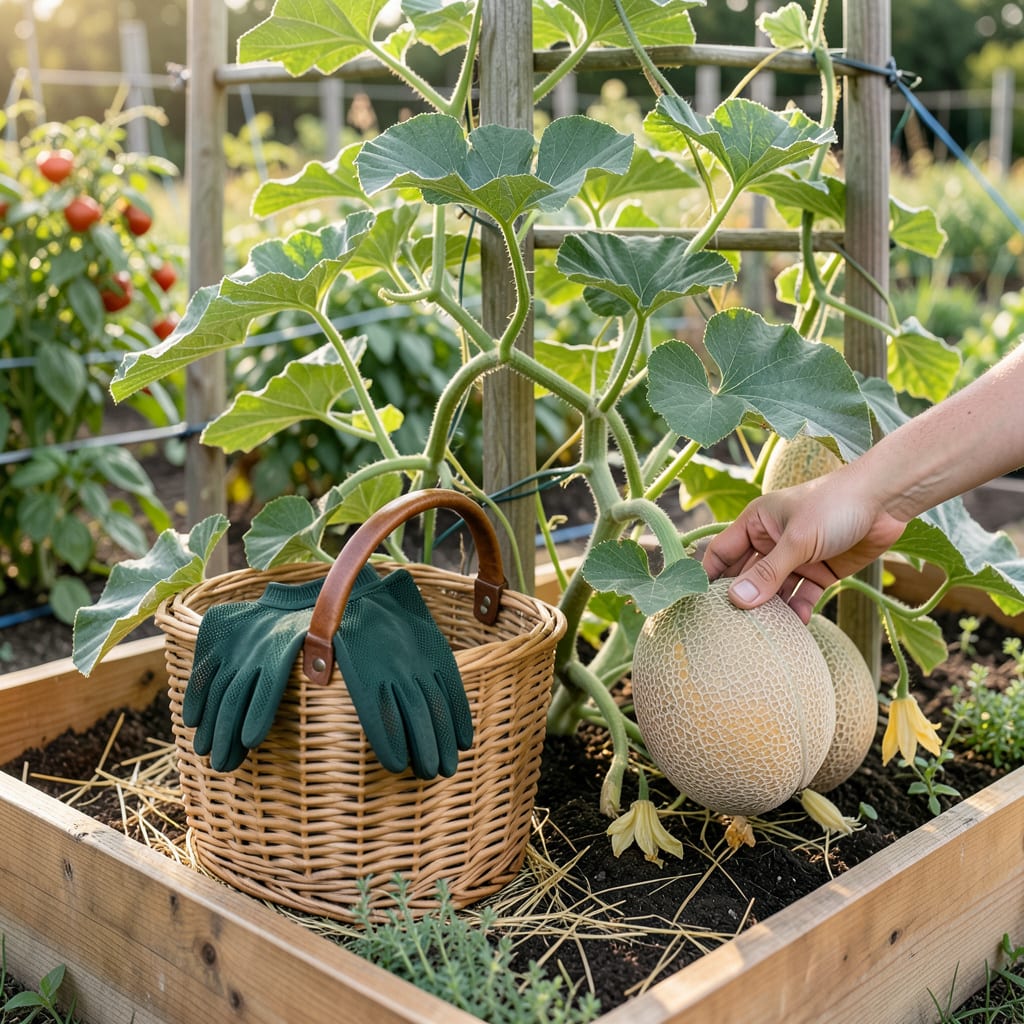
There’s nothing worse than cutting into a cantaloupe only to find it underripe—or worse, overripe and mushy. After months of tending your vines, timing the harvest is the key to that perfect balance of sweetness and texture.
I’ve learned the hard way that looks can be deceiving. But with three simple checks—color, scent, and stem separation—you’ll never second-guess your 🍈 again. Let’s break down exactly what to watch for before you pluck that melon from the vine.


After weeks of watching your cantaloupe vines sprawl and those melons swell, the moment of truth arrives: Is it ready? Forget the old “thump test” myth—it’s unreliable. Instead, I focus on three foolproof signs that never fail me: stem slip, rind color, and netting texture. Master these, and you’ll harvest at peak sweetness every time.
The first clue is the stem attachment. A ripe cantaloupe will detach cleanly from the vine with just a gentle twist. If you’re tugging hard, it’s not ready. This “slip” happens because the fruit naturally separates when its sugar content peaks. I check this daily once the melon reaches full size—usually around 75-90 days after planting. 🍈
The stem should release with minimal pressure. If it resists, wait 1-2 days and check again. A stubborn stem means the melon needs more time to develop sugars.
Look for a golden-beige hue beneath the netting. Green patches mean it’s underripe. The background color should be uniform—no streaks. Hybrid varieties like ‘Athena’ may show this earlier than heirlooms.
The raised netting pattern becomes more pronounced as the fruit ripens. Run your fingers over it—ripe melons have a rough, corky texture. Smooth or soft netting signals immaturity.
The rind color is your next big hint. A ripe cantaloupe transitions from green to a creamy yellow or tan underneath its netting. This isn’t just about looks—the color change signals chlorophyll breakdown, which means sugars are concentrating. I’ve found that morning sunlight makes this color shift easier to spot than evening checks.
Don’t overlook the blossom end (opposite the stem). Press gently with your thumb—it should yield slightly, like a ripe avocado. No give? It’s not ready. Too soft? You’ve waited too long. This “give” test works best when the melon is at room temperature, so avoid checking right after watering or in cool mornings.
The netting texture is often ignored but tells you everything. Immature cantaloupes have smooth, almost glossy netting. As they ripen, the netting becomes raised and coarse. This roughness indicates the rind is thickening and the fruit is maturing inside. I rub my fingernail across it—if it catches slightly, it’s a good sign.
Aroma is the final confirmatory test. A ripe cantaloupe emits a sweet, musky scent at the stem end. No smell means it’s underripe; a fermented odor means it’s overripe. I’ve made the mistake of harvesting based on size alone—only to get a scentless, tasteless melon. Now I always sniff first before picking.
For varieties like ‘Hale’s Best’ or ‘Ambrosia’, watch for these signs to appear 5-7 days earlier than standard cantaloupes. These hybrids are bred for quick ripening, so their window is tighter. I mark my calendar at 70 days post-planting to start daily checks for these types.
Timing matters too. Harvest in the early morning when temperatures are cool. This preserves the melon’s crispness and slows sugar breakdown. Use pruning shears if the stem doesn’t slip easily—never yank, as this can damage the vine. Leave an inch of stem attached to extend shelf life.
Once picked, store uncut cantaloupes at room temperature for 2-3 days to let flavors fully develop. After cutting, refrigerate in an airtight container. A perfectly harvested melon will keep its sweetness and texture for up to a week. Trust me, your patience will pay off in that first juicy bite! 🌿
Timing is everything when harvesting cantaloupe. Pick too soon, and you’ll end up with a hard, flavorless melon that never sweetens. Wait too long, and the fruit turns mushy and overripe before you can enjoy it. The difference between perfect and disappointing is often just a few days.
Underripe cantaloupes lack sugar development and have a pale, firm rind. Overripe ones lose their firm texture and develop soft spots. Both scenarios mean wasted effort after months of careful growing. Let’s compare the consequences so you can avoid these pitfalls.
An underripe cantaloupe won’t ripen properly off the vine. Unlike some fruits, cantaloupes don’t improve after picking if they’re immature. That’s why checking the stem slip and rind color is critical before harvesting. Trust your senses—sight, touch, and smell—over guesswork.
Overripe melons attract pests and spoil quickly. If the stem detaches with zero effort or the rind looks wrinkled, you’ve waited too long. I once lost an entire batch to fruit flies because I hesitated just two days past prime ripeness. Lesson learned!
For hybrid varieties like ‘Athena’ or ‘Hale’s Best’, watch for slightly earlier ripening—often 5-7 days ahead of heirloom types. These modern varieties are bred for uniform ripening, but their window is narrower. When in doubt, harvest at the first sign of stem separation.
Remember: A perfectly ripe cantaloupe will have a sweet aroma at the stem end, a golden-beige rind, and a stem that releases with a gentle twist. Miss this window, and you’ll taste the difference in every bite. 🍈
Harvesting your cantaloupe at the right time is only half the battle—how you pick it matters just as much. A rough harvest can stress the vine, reduce future yields, or even introduce disease. I’ve learned through trial and error that the right tools and timing make all the difference.
First, always harvest in the early morning when temperatures are cool. This keeps the fruit firm and minimizes stress on the plant. Avoid picking after rain or irrigation, as wet vines are more prone to tearing. I keep a pair of clean pruning shears handy for stubborn stems that won’t slip naturally. 🌿
Use sharp, sanitized shears to avoid jagged wounds on the vine. Dip blades in rubbing alcohol between cuts if harvesting multiple melons. This simple step prevents bacterial spread and keeps your plants healthy for future harvests.
If the stem slips easily, great—use your fingers to gently twist and lift. But if it resists, don’t force it! Instead, cut the stem 1-2 inches above the melon with shears. Leaving a short stem helps the fruit last longer in storage. I’ve found that melons with stems stay fresh 2-3 days longer than those without.
Support the melon with one hand while cutting or twisting with the other. This prevents accidental drops that can bruise the fruit. Place harvested cantaloupes in a shaded area immediately—direct sun can cause uneven ripening or sunburn. I use a soft basket lined with a towel to transport them from garden to kitchen.
After harvesting, avoid washing melons until you’re ready to eat them. Excess moisture speeds up spoilage. Instead, brush off dirt with a dry cloth. Store uncut cantaloupes at room temperature for 2-3 days to let flavors fully develop. Once cut, refrigerate in an airtight container to maintain freshness. ✂️
Most varieties reach maturity in 70-90 days from planting. Hybrid types like ‘Athena’ often ripen faster—around 70-75 days. Start checking daily once melons reach full size and the rind begins changing color.
Unlike some fruits, cantaloupes won’t ripen further once picked. If harvested early, they’ll stay hard and flavorless. Always wait for the stem to slip easily and the rind to turn golden before harvesting.
Early morning is ideal, when temperatures are cool. This preserves the fruit’s crispness and slows sugar breakdown. Avoid harvesting after rain or irrigation, as wet vines are more prone to damage.
Keep uncut melons at room temperature for 2-3 days to let flavors develop. Once cut, refrigerate in an airtight container for up to a week. Never wash until ready to eat—moisture speeds up spoilage.
