
Beautiful Plants For Your Interior
Beautiful Plants For Your Interior
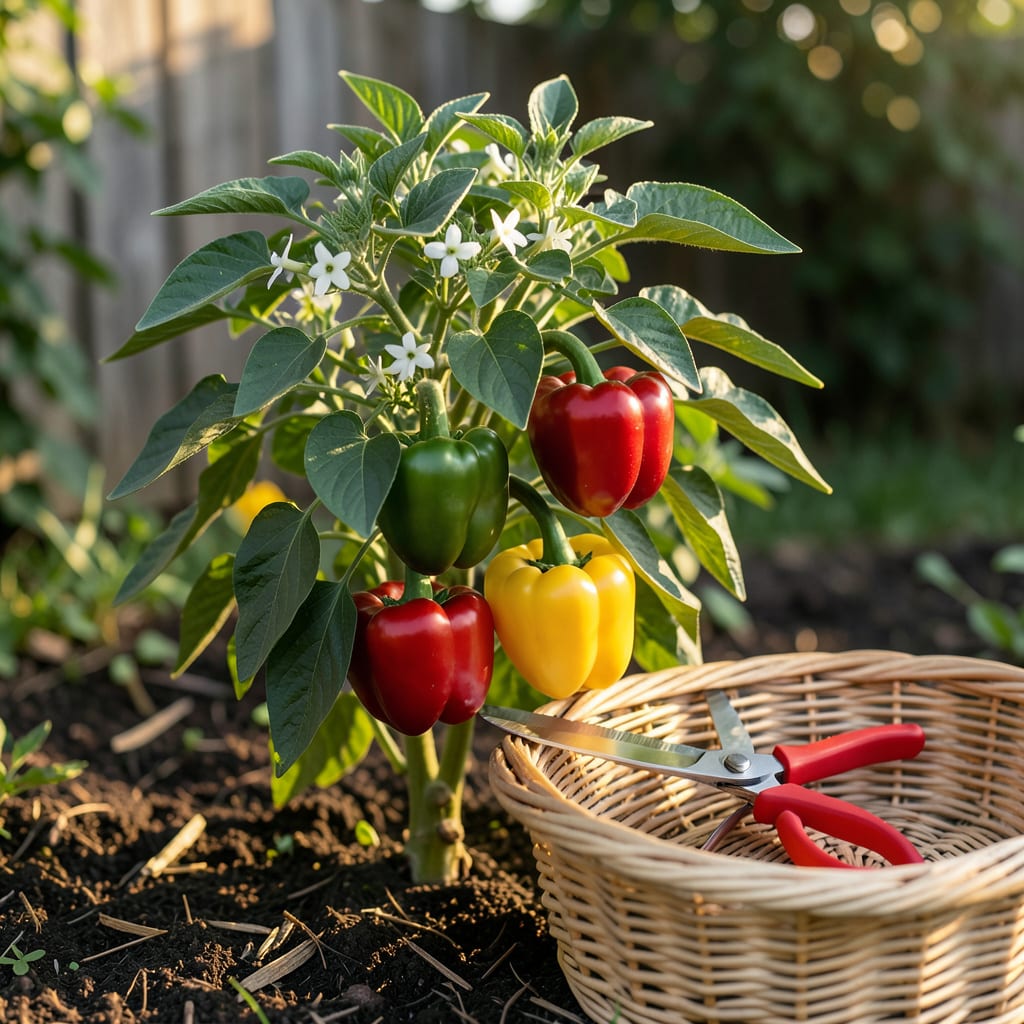
There’s nothing worse than cutting into a bell pepper only to find it’s bland, spongy, or underripe. That crisp, sweet crunch you’re after? It all comes down to picking at the perfect moment—and it’s easier than you think.
I’ve spent seasons testing the color, firmness, and size tricks that separate mediocre peppers from the ones that make your dishes shine. Whether you’re growing 🌶️ Bell Peppers for the first time or just tired of guessing, these foolproof signs will take the uncertainty out of harvest time. Let’s get it right.


If you’ve ever wondered why your homegrown bell peppers taste different from store-bought ones, it often comes down to harvest timing. Picking too early gives you bland, grassy flavors, while waiting too long can lead to mushy textures. The secret? Understanding the color progression of your peppers.
Most bell peppers start green and gradually change to yellow, orange, or red as they ripen. But here’s the kicker: green peppers are technically unripe versions of colored ones! Each stage offers a distinct flavor profile, from slightly bitter when green to sweet and fruity when fully colored.
| Color Stage | Days to Maturity | Flavor Profile | Best For |
|---|---|---|---|
| Green | 60-70 days | Grassy, slightly bitter | Cooking, stuffing |
| Yellow | 70-75 days | Mild, tangy sweetness | Salads, grilling |
| Orange | 75-80 days | Fruity, medium sweetness | Roasting, fresh eating |
| Red | 80-90 days | Very sweet, rich | Fresh snacks, raw dishes |
*Note: Purple and chocolate varieties follow similar timing but may not turn red.
Here’s a pro tip: Check your seed packet for variety-specific color expectations. Some peppers like ‘Purple Beauty’ stay purple when ripe, while ‘Chocolate’ varieties mature to a deep brown. If you’re growing heirlooms, their color cues might differ from standard hybrids.
I always remind gardeners that color isn’t the only indicator. A red bell pepper left too long on the vine can become soft and mealy. That’s why I combine color checks with the firmness test – gently squeeze the pepper. It should feel solid with just a slight give, like a firm tomato.
Climate plays a role too! In cooler zones, peppers may take 10-14 extra days to reach full color. If you’re in USDA Zone 6 like me, watch for early frosts. When temps drop below 50°F (10°C), peppers stop ripening on the vine. That’s your cue to harvest everything, even if they’re still green.
Ever noticed how store-bought red peppers cost more? That’s because they require 20-30% more growing time than green ones. In your garden, you control this timeline. For maximum sweetness, I recommend letting at least a few peppers reach full color – the flavor difference is astonishing!
Remember that size matters too. Most standard bell peppers reach 3-4 inches long when mature. Mini varieties like ‘Lunchbox’ max out at 2 inches. If your peppers are full-sized but still green, you can choose to harvest early or wait for color development.
One common mistake I see is harvesting based on calendar days alone. Your peppers might be “due” at 75 days, but if summer was cool and cloudy, they could need extra time. Always let the plant tell you when it’s ready through color, size, and texture cues.
For those growing purple or chocolate peppers, don’t wait for them to turn red! These varieties are ripe when they reach their namesake colors. The same goes for white peppers – they’re ready when fully sized and creamy white, not when they start yellowing.
If you’re growing peppers for specific recipes, plan accordingly. Need green peppers for stuffed peppers? Harvest at 60-70 days. Want sweet red peppers for salads? Be patient and wait the full 80-90 days. The flavor payoff is worth the extra garden time! 🌶️
Color gets all the attention, but I’ve learned the real secret to perfect bell peppers lies in their texture and size. Even if your pepper looks vibrant, a quick firmness check can save you from a disappointing, mushy harvest. Let’s dig into the physical cues that never lie.
First, give your pepper a gentle squeeze. A ripe bell pepper should feel solid and crisp, almost like an apple—firm enough to resist light pressure but not rock-hard. If it dents easily or feels soft, it’s either overripe or needs more time. This test works for all colors, from green to red!
Size matters more than you think! While color indicates ripeness, your pepper won’t develop its full sweetness or crunch until it hits its mature size. For standard bell peppers, that’s typically 3–4 inches long and 2–3 inches wide. Mini varieties (like ‘Lunchbox’) max out around 2 inches—don’t wait too long!
Here’s a trick I swear by: the stem test. A ripe pepper’s stem will be thick and green, not brittle or dried out. If the stem snaps cleanly with a gentle twist, it’s ready. Avoid yanking—use pruning shears to prevent damaging the plant. Pro tip: Leave ½ inch of stem attached to extend shelf life.
Watch out for overripe signs: wrinkled skin, soft spots, or a hollow sound when tapped. These peppers are past their prime and may taste bitter or mealy. If you spot these, harvest immediately—even if the color isn’t perfect—and use them within 1–2 days. Underripe peppers can ripen off the vine, but overripe ones won’t improve.
Finally, trust your harvest window. Most bell peppers mature in 60–90 days from transplanting. If your peppers are sizing up but colors lag, check the days-to-maturity on your seed packet. A quick glance at your gardening journal (or phone notes!) can confirm whether they’re just late bloomers or truly ready to pick. 🌱
Sometimes, you just can’t wait for peppers to fully ripen. If frost warnings hit or pests attack, you might need to harvest early. I’ve salvaged plenty of peppers before a cold snap—better a slightly underripe harvest than none at all. But there’s a trade-off: early peppers are less sweet and crunchier.
Check your growing conditions before deciding. If soil temps drop below 60°F, peppers slow their ripening dramatically. In this case, I pick green peppers at full size and let them ripen indoors. But if your plants are healthy and temps stay warm, waiting rewards you with fuller flavor.
I’ve found that green peppers picked early still work great for cooking—they just need more time to soften. But for raw snacks or salads, waiting for full ripeness (red, yellow, or orange) gives that signature sweetness. A quick trick: if the pepper snaps cleanly from the stem, it’s ready.
Watch for overripe signs too—wrinkled skin or soft spots mean you’ve waited too long. These peppers lose crispness and may develop bitter flavors. I check my plants every 2–3 days during peak season to catch them at just the right stage.
If you’re unsure, do a taste test! Slice a small piece from an early-picked pepper. If it’s mild and firm, it’s fine for cooking. If it’s sweet and juicy, you’ve hit the jackpot—time to harvest the rest! 🌶️
Green peppers can ripen to red off the vine, but it’s slower and less reliable. For best results, place them in a paper bag with a ripe banana or apple at room temperature. The ethylene gas speeds ripening. Expect it to take 1-2 weeks—longer than vine-ripening.
Once peppers reach full size, check them every 2-3 days. Color changes happen quickly in warm weather! Morning is ideal—peppers are crispest after cool nights. Use this time to gently test firmness and spot any overripe signs like wrinkles.
Small peppers lack flavor and sweetness. Wait until they reach their variety’s mature size (usually 3-4 inches for standard bells). Picking undersized peppers also reduces the plant’s overall yield. Only harvest early if frost threatens or pests attack.
Bitterness often means they stayed on the vine too long. Overripe red peppers develop a mealy texture and bitter notes. Harvest when fully colored but still firm. Stress from inconsistent watering or extreme heat can also cause bitterness—keep soil evenly moist.
