
Beautiful Plants For Your Interior
Beautiful Plants For Your Interior
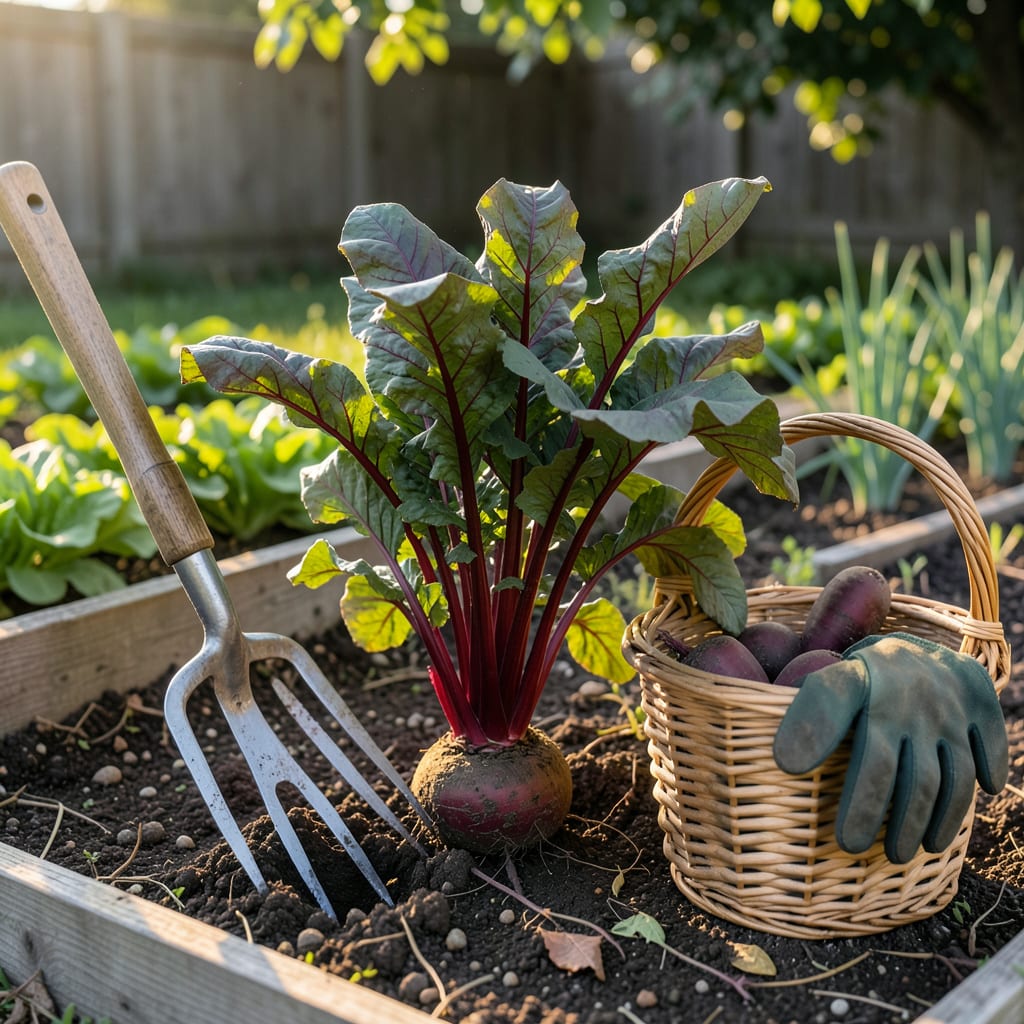
There’s nothing worse than pulling up a beet only to find it’s either disappointingly tiny or tough as a golf ball. I’ve been there—staring at my 🥬 Beet patch, wondering if they’re ready or if I should wait another week.
The difference between a sweet, tender harvest and a woody disappointment comes down to three simple signs—and I’ll show you exactly what to look for. No more guessing games, just perfectly timed beets every season.


I’ve learned the hard way that beets won’t shout when they’re ready—they whisper. The trick is knowing where to look. Forget counting days from planting (though 50–70 days is a rough guide). Instead, focus on the shoulder width, leaf gloss, and soil-line clues your plants are giving you.
Most gardeners miss the shoulder test: that’s the part of the beet root peeking above the soil. When it reaches 1–3 inches wide, you’re in the sweet spot. Smaller? Give it time. Bigger? You’re risking a woody texture that no amount of cooking can fix.
Pro Tip: Harvest in the early morning when roots are crispest. Use a garden fork to loosen soil 3 inches away to avoid bruising!
Here’s where gardeners go wrong: assuming bigger beets = better beets. I once left a row of ‘Detroit Dark Red’ in the ground for 80 days, thinking they’d get sweeter. Instead, they turned fibrous and bland. Lesson learned: size trumps age every time.
The leaf test is your backup plan. If the greens look vibrant and sturdy, the roots are likely ready. But if leaves are flopping over or developing brown spots, your beets might be stressed from over-maturity or uneven watering. Check the soil 2 inches deep—it should feel like a wrung-out sponge.
For fall-planted beets, watch the weather. A light frost can sweeten them, but a hard freeze (below 28°F) turns roots mushy. Harvest all beets before your first expected frost date, even if they’re slightly small. Trust me, a 2-inch beet after frost beats a ruined 4-inch beet any day.
Still unsure? Do the fingernail test: Gently scratch the exposed shoulder. If it resists lightly (like a firm apple), it’s ready. If your nail sinks in, give it 3–5 more days. This works for all varieties, from ‘Chioggia’ (with its candy-stripe interiors) to ‘Golden’ beets.
Remember, beet greens are edible too! If you’re harvesting for both roots and leaves, pick when the greens are 6–8 inches tall. Snip the outer leaves first, leaving the center intact for continued growth. Just don’t remove more than ⅓ of the foliage at once, or you’ll stunt the roots.
If you’re growing storage beets (like ‘Lutz Winter Keeper’), you can push the harvest to 3–4 inches wide. These varieties stay tender longer, but I still recommend pulling them before the first hard frost. Store them in a cool, dark place (like a root cellar) with the greens trimmed to 1 inch to prevent moisture loss.
Finally, don’t forget the succession trick: Sow new seeds every 2–3 weeks for a continuous harvest. This way, you’ll always have beets at the peak 1–3 inch stage, and you’ll avoid the all-or-nothing glut that leaves gardeners scrambling to preserve dozens of oversized roots at once.
Not all beets play by the same rules. I’ve grown everything from quick-maturing ‘Early Wonder’ to slow-and-steady ‘Lutz Winter Keeper’, and their harvest windows vary wildly. The key? Matching your variety’s days-to-maturity with the ideal shoulder width for that type.
Early varieties like ‘Detroit Dark Red’ (55 days) hit their 1.5–2.5 inch sweet spot faster than storage types. Push them past 3 inches, and you’ll sacrifice texture. Meanwhile, ‘Chioggia’ (60 days) stays tender up to 3 inches, but its candy-stripe pattern fades if left too long.
| Variety | Days to Maturity | Ideal Harvest Size | Max Tender Size | Best For |
|---|---|---|---|---|
| Early Wonder | 45–50 days | 1–2 inches | 2.5 inches | Quick harvests, baby beets |
| Detroit Dark Red | 55–60 days | 1.5–2.5 inches | 3 inches | Classic flavor, canning |
| Chioggia | 60 days | 1.5–3 inches | 3.5 inches | Gourmet dishes, raw slices |
| Golden | 55 days | 1.5–2.5 inches | 3 inches | Mild flavor, roasting |
| Lutz Winter Keeper | 70–80 days | 2–3 inches | 4+ inches | Storage, winter harvests |
Storage beets like ‘Lutz’ are the exception—they’ll hold in the ground for weeks longer without turning woody. I’ve left them until 4 inches wide in cool fall soil, and they stayed sweet. But in hot summer conditions, even storage types get fibrous fast.
For fall plantings, adjust your timeline. Cool soil slows growth, so add 7–10 days to the maturity estimate. I aim to harvest all beets before the first hard frost (below 28°F), even if they’re slightly small. A light frost can sweeten them, but a deep freeze ruins the texture.
If you’re growing for both roots and greens, prioritize varieties like ‘Bull’s Blood’ (50 days). Harvest the outer leaves when they’re 6 inches tall, but leave the center intact. The roots will keep sizing up while you enjoy the greens in salads.
Pro tip: Stagger your plantings every 2–3 weeks for a continuous supply. I sow my first batch in early spring (as soon as soil hits 50°F), then again in late summer for a fall crop. This way, I’m never stuck with a glut of overgrown beets.
Finally, don’t forget the seed packet—it’s your cheat sheet! When in doubt, I cross-check the days-to-maturity with my planting date. But remember: soil temp and moisture affect timing more than the calendar. Cool, wet springs? Add 5–7 days. Hot, dry summers? Subtract 3–5 days and watch for early maturity. 🌱
Timing your beet harvest is everything. Pick them too early, and you’ll end up with underdeveloped roots that lack sweetness and substance. Those tiny beets might look cute, but they won’t deliver the earthy depth or satisfying texture you’re after. Trust me, patience pays off here.
On the flip side, leaving beets in the ground too long turns them into tough, woody disappointments. Once they surpass 3 inches in diameter, the flesh becomes fibrous, and the flavor dulls. You might even notice cracking or splitting, which invites pests and rot. Nobody wants a beet that fights back when you bite into it!
If you’ve missed the ideal window, don’t panic. Slightly overgrown beets can still be salvaged with the right prep. I’ve found that roasting or braising breaks down the fibers, making them more palatable. For underripe beets, focus on using the greens in salads—they’re packed with flavor even if the roots aren’t ready.
Seasonal timing matters too. Spring-planted beets tend to mature faster in warming soil, while fall crops can linger a bit longer before the first frost. If you’re growing storage varieties like ‘Lutz Winter Keeper,’ they’ll hold in the ground better than early types, but even they have their limits.
The sweet spot? Aim for 1.5–3 inches in diameter, with glossy leaves and a firm feel when gently squeezed. When in doubt, do the thumb test: press lightly near the soil line. If it resists slightly, it’s ready. If it gives too easily, give it a few more days. Happy harvesting! 🪴
Aim for roots that are 1–3 inches wide at the shoulder (the part peeking above soil). This size ensures peak sweetness and tenderness. Smaller beets lack flavor, while larger ones risk becoming woody and tough.
Yes! Snip outer leaves when they’re 6–8 inches tall, leaving the center intact. Avoid removing more than ⅓ of the foliage at once to keep the roots growing. The greens are delicious sautéed or raw in salads.
Overgrown beets (over 3 inches) turn fibrous, crack easily, and lose sweetness. They can also attract pests. If this happens, try roasting or slow-cooking to soften the texture.
Early varieties like ‘Detroit Dark Red’ mature in 50–55 days, while storage types (e.g., ‘Lutz Winter Keeper’) can stay in the ground up to 70 days and grow larger without getting tough.
Yes—pull all beets before a hard frost (below 28°F). A light frost can sweeten them, but a deep freeze ruins the texture. Even small beets are better than frozen ones!
