
Beautiful Plants For Your Interior
Beautiful Plants For Your Interior
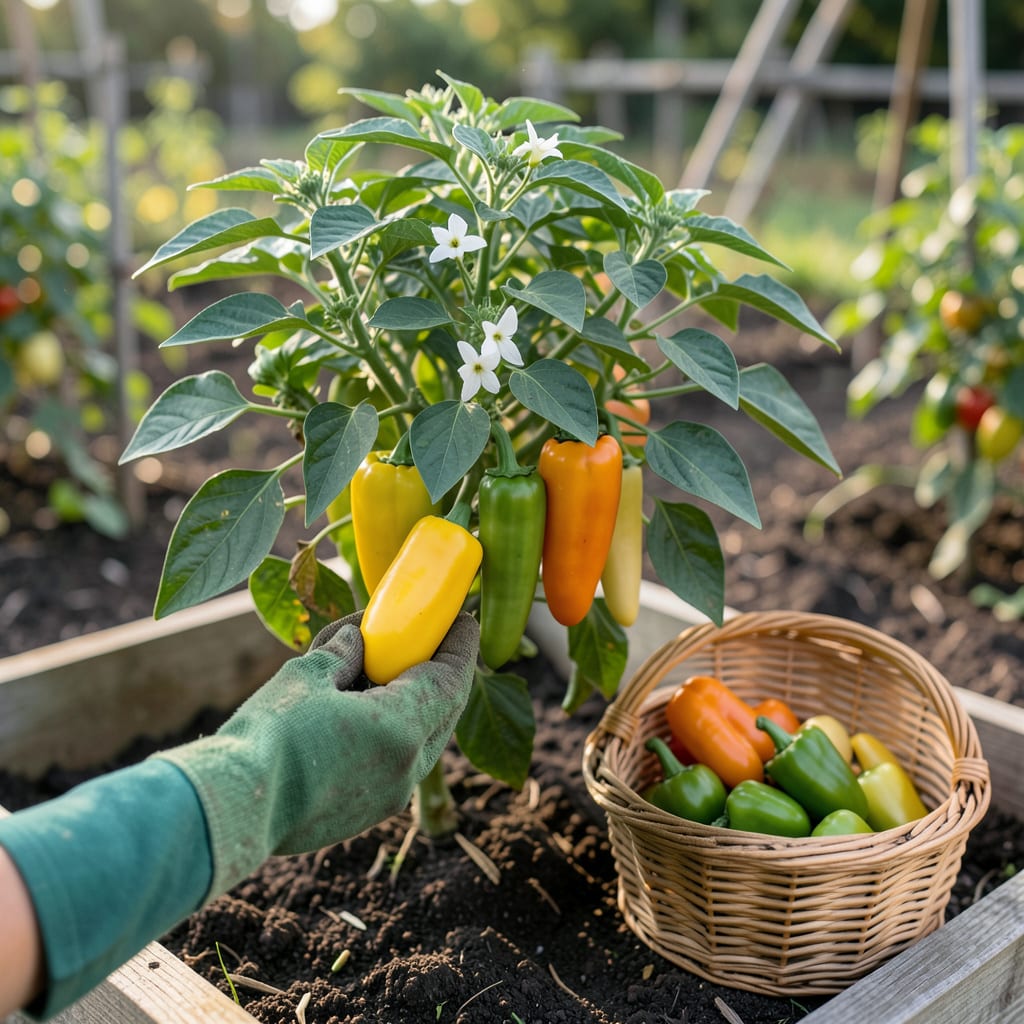
There’s nothing worse than waiting weeks for your 🌶️ Banana Peppers to ripen—only to pick them too soon or too late. That split-second timing makes all the difference between crisp, flavorful peppers and disappointing, bitter ones.
I’ve learned the hard way that color and texture tell you everything. Whether you’re growing them in Zone 6 or a backyard plot, I’ll show you the exact signs to watch for—so you harvest at peak perfection, every single time.


Banana peppers are one of the easiest peppers to grow, but knowing exactly when to pick them can be tricky. These mild, tangy peppers change dramatically as they ripen, shifting from pale green to bright yellow or even red. Timing your harvest ensures the best flavor and texture.
Most banana peppers reach maturity in 60-85 days after planting. The key is watching for color changes, size development, and stem firmness. Let’s break down the visual signs so you never guess again. 🌱
| Stage | Color | Size | Texture | Harvest? |
|---|---|---|---|---|
| Too Early | Dull green 🟢 | < 3 inches 📏 | Soft or wrinkled 😕 | ❌ Wait longer |
| Peak Ripeness | Bright yellow 🟡 | 4-6 inches ✅ | Firm and glossy 💪 | ✅ Harvest now |
| Overripe | Orange/red 🔴 | 6+ inches | Mushy or bitter | ⚠️ Use quickly |
For most varieties, the ideal harvest color is bright yellow. Some heirloom types stay green when ripe, so check your seed packet. If you prefer a sweeter flavor, pick at the yellow stage. For a tangier taste, let them turn red.
The size test is just as important. A ripe banana pepper should measure 4-6 inches long. Anything smaller is still developing. If left too long, they’ll grow tough and seedy, losing that crisp snap we love.
Don’t ignore the stem connection. A ripe pepper will detach easily with a gentle twist. If you’re wrestling with it, the pepper needs more time. The stem should look dry and woody, not green and flexible.
I always check the skin texture too. Run your fingers over the pepper—it should feel smooth and firm, not rubbery or soft. A glossy sheen is another great indicator of ripeness.
Remember, regular harvesting encourages more production. If you leave overripe peppers on the plant, it signals the plant to slow down new fruit development. For a continuous harvest, pick peppers every 3-5 days during peak season. 🌿
If you’re growing hot banana peppers, they’ll often turn red when fully ripe. These varieties pack more heat the longer they stay on the plant. For mild flavors, harvest at the yellow stage. For extra spice, wait for red.
Finally, watch the weather conditions. Extreme heat can speed up ripening, while cool spells may delay it. Adjust your harvesting schedule accordingly, and always taste-test one pepper first if you’re unsure about ripeness. ✂️
Visual cues are just the start—sometimes you need to physically test your banana peppers to confirm they’re ready. I always use the finger-squeeze test first: gently press the pepper. If it feels firm and crisp, it’s likely ripe. A soft or spongy texture means it’s either underripe or overripe.
Another trick is checking the stem flexibility. A ripe pepper will snap off the plant with a gentle twist, while an unripe one clings stubbornly. If you’re still unsure, taste-test a sample pepper—just slice off a tiny piece. The flavor should be mild and slightly sweet, not bitter or grassy.
Timing matters too. If you’re harvesting for immediate use, pick peppers at peak color (bright yellow or red). For longer storage, harvest when they’re light green but firm—they’ll continue ripening off the plant. Just avoid leaving them too long, or they’ll turn mushy and bitter.
I’ve found that morning harvesting yields the best results. Peppers are crispest and juiciest after a cool night, and their sugars are more concentrated. Use clean pruners or scissors to avoid damaging the plant. Cut the stem about ½ inch above the pepper to prevent tearing.
If you accidentally pick peppers too early, don’t worry—most varieties will ripen indoors over a few days. Place them in a paper bag with an apple or banana to speed up the process. The ethylene gas from the fruit helps them turn yellow faster without losing flavor.
Remember, regular harvesting encourages more production. The more you pick, the more peppers your plant will produce. So don’t hesitate—once they’re ready, harvest every 2-3 days to keep your plant thriving and your kitchen stocked with fresh, flavorful peppers! 🌱
Timing is everything when harvesting banana peppers. Picking them too soon means missing out on their full, sweet flavor, while waiting too long can lead to a bitter, mushy texture. The ideal window is tight—usually just a few days—but getting it right makes all the difference.
If you harvest underripe peppers, they’ll taste grassy and lack sweetness. They might also be tougher and harder to digest. On the flip side, overripe peppers turn soft, lose their crispness, and can develop an unpleasant bitterness. Both scenarios shorten their shelf life too.
If you’ve already picked peppers at the wrong stage, don’t panic. Underripe peppers can be left at room temperature for a few days to ripen further. Place them in a paper bag with a ripe banana to speed things up. Overripe peppers work well in cooked dishes where texture isn’t critical.
To avoid mistakes, check peppers daily once they near maturity. Look for bright yellow color, firm texture, and 4-6 inch length. A gentle twist should separate them cleanly from the stem. If they resist, give them another day or two.
Remember, regular harvesting actually boosts production. The more you pick, the more your plant will produce. So don’t hesitate—once they’re ready, snip them off and enjoy the rewards of your patience! 🌶️
Yes, but with limitations. Banana peppers will slowly change color indoors if picked at the light green stage. For best results, place them in a paper bag with an apple or banana. The ethylene gas speeds up ripening, but flavor won’t improve as much as vine-ripened peppers.
Once peppers reach 3 inches long, check them daily. Their growth accelerates rapidly in warm weather. Morning is the best time to inspect, as peppers are crispest after cool nights. During peak season, you might harvest every 2-3 days from a healthy plant.
Certain heirloom varieties remain green at maturity. Check your seed packet for specifics. These types are ready when they reach full size (4-6 inches) and feel firm. The stem should also dry slightly and snap cleanly when twisted. When in doubt, taste-test a small piece.
Avoid picking during or immediately after rain. Wet peppers bruise easily and may develop mold in storage. Wait until plants dry completely—usually 2-3 hours after rainfall. If you must harvest, handle peppers gently and dry them thoroughly before storing.
For short-term use, store unwashed peppers in a perforated plastic bag in the fridge for up to 10 days. For longer storage, blanch and freeze them. Avoid washing until ready to use, as moisture speeds up spoilage. Properly stored peppers maintain their crispness and flavor.
