
Beautiful Plants For Your Interior
Beautiful Plants For Your Interior
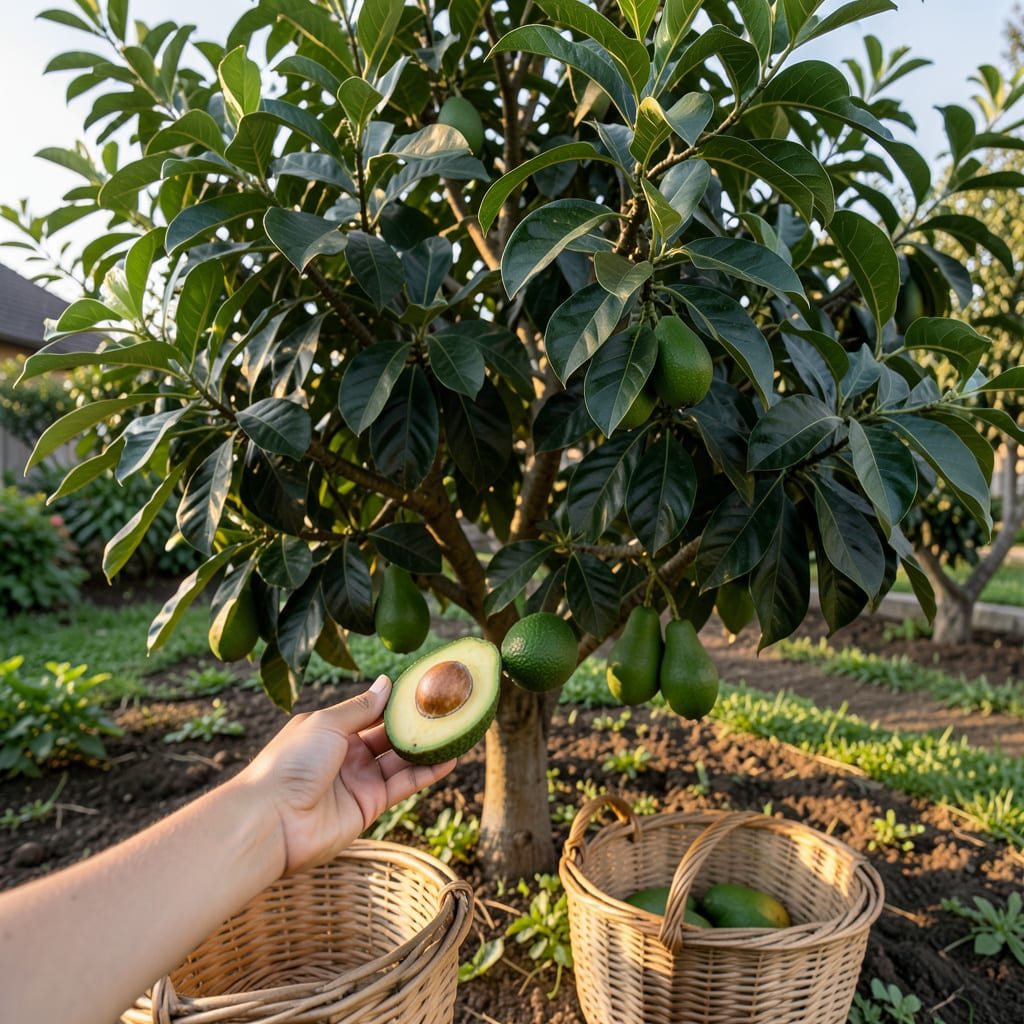
Picking Avocado 🥑 at the right time makes all the difference between a creamy delight and a hard disappointment. Timing is everything with this fruit.
I’ll show you the simple tests to determine when your Avocado is ready to harvest. These visual and seasonal cues ensure you pick at peak maturity every time.


Knowing when to pick avocados starts with observing the fruit’s maturity signs. Unlike many fruits, avocados don’t ripen on the tree. Instead, they reach full size and mature before harvest.
I always check for visual cues like skin texture and color changes. These indicators vary by variety but follow universal patterns that signal readiness for picking.
The stem test is my go-to method. A mature avocado’s stem will detach easily when flicked with a finger. If it stays firmly attached, the fruit needs more time on the tree.
For Hass avocados, watch for the skin to transition from bright green to a darker, almost black hue. This color shift is a clear sign of maturity, though the fruit will still need time to soften after picking.
The gentle squeeze test works best for varieties like Fuerte. Apply light pressure with your palm—if the fruit yields slightly, it’s likely mature enough to harvest. Avoid squeezing too hard, as this can bruise the fruit.
Timing is crucial. Most avocado varieties take 6-18 months from flowering to harvest. If you know when your tree bloomed, you can estimate the harvest window more accurately.
Another reliable sign is the fruit’s size. Compare it to a mature avocado of the same variety. If it’s reached full size but the stem is still firmly attached, give it a few more weeks.
Remember, avocados ripen off the tree, so picking them at the right maturity stage ensures they’ll soften properly at home. If picked too early, they may never ripen correctly.
For the best results, combine multiple tests. Check the stem, color, and size together. This multi-step approach reduces the chance of picking too early or too late.
I’ve found that morning harvests work best. The fruit is firmer, making it easier to handle without damage. Plus, cooler temperatures help preserve freshness during storage.
Different avocado varieties show their readiness in unique ways. I’ve learned that Hass, Fuerte, and Reed each have distinct visual cues that signal the perfect picking time.
Understanding these variety-specific signs helps avoid the common mistake of harvesting too early or too late. Each type has its own color changes and texture shifts to watch for.
| Variety | Harvest Window | Ripeness Sign |
|---|---|---|
| Hass | Year-round | Skin turns dark green to black |
| Fuerte | Fall to Spring | Smooth skin develops slight bumps |
| Reed | Summer | Thick skin turns dull green |
The Hass avocado is the most common variety I see in home gardens. Its skin transforms from bright green to a deep purple-black as it matures, making it easy to spot when it’s ready.
Fuerte avocados have a smoother skin that becomes slightly bumpy when mature. They’re typically ready in fall through spring, so I check them more frequently during these months.
The Reed variety is a summer avocado with thick, rough skin. When the color shifts from glossy to dull green, it’s a sign the fruit is nearing harvest time. I find these hold well on the tree for a few weeks once mature.
No matter the variety, I always combine visual checks with the stem test. A mature avocado’s stem will come off easily when gently flicked, confirming it’s time to pick ✂️
Many gardeners rush to harvest avocados too early, only to find the fruit never softens properly. I’ve learned that patience and observation are key to avoiding this common pitfall.
Another frequent mistake is ignoring the stem’s attachment. If it’s still firmly connected and bright green, the fruit isn’t ready, no matter how large it appears.
Picking Too Early: Fruit may never ripen if harvested before maturity.
Ignoring Weather: Harvest in cool morning temps to prevent bruising.
Size ≠ Maturity: Full size doesn’t always mean ready—check stem and color too.
I’ve also seen gardeners misjudge size vs. maturity. Just because an avocado looks big enough doesn’t mean it’s ready. Always combine the stem test with color changes for accuracy.
Harvesting during hot afternoons can lead to soft, bruised fruit. I always pick in the early morning when temperatures are cooler, and the fruit is firmer and easier to handle.
Finally, don’t rely on a single test. Use the stem flick, color check, and gentle squeeze together. This multi-step approach ensures you won’t miss the perfect window ✂️
Yes, the stem test is reliable across varieties. A mature stem detaches easily when flicked, while an immature one stays firmly attached.
The dark color signals maturity due to anthocyanin development in the skin. This change helps identify peak harvest time for Hass varieties.
Only if they’ve reached full size and pass the stem test. Some varieties like Fuerte stay green when mature but will ripen off the tree.
They may never soften properly. Premature fruit often remains hard and fails to develop full flavor, even after weeks of waiting.
