
Beautiful Plants For Your Interior
Beautiful Plants For Your Interior
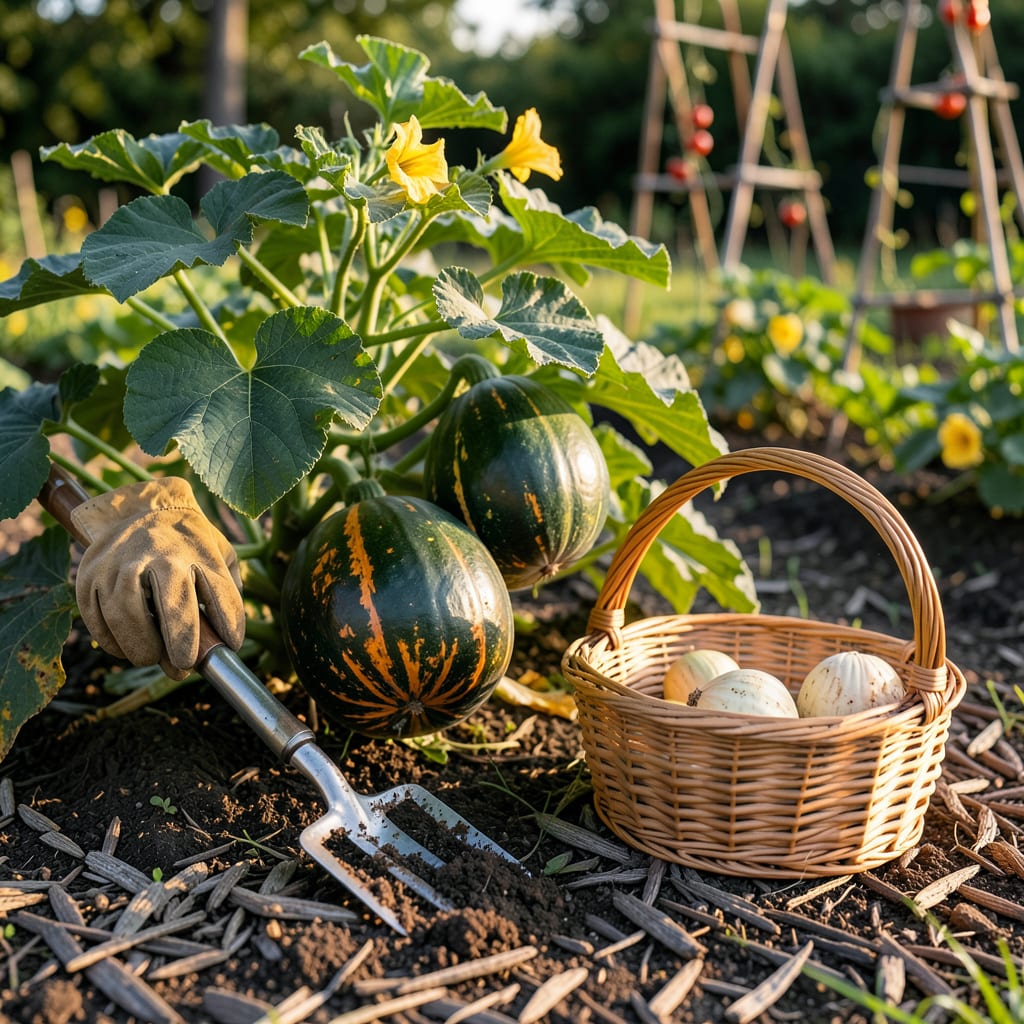
There’s nothing worse than cutting into an acorn squash only to find it underripe—or worse, mushy and overripe. That perfect moment between too soon and too late can feel like a guessing game, but it doesn’t have to be.
The 🎃 Acorn Squash sends clear signals when it’s ready, from its rind’s hardness to subtle color shifts. I’ll show you exactly what to look for—no more second-guessing at harvest time. Let’s turn that guesswork into confidence.


When I’m checking if my acorn squash is ready to harvest, I always rely on two classic tests: the nail test and the thumb test. Both help determine if the rind has hardened enough for storage, but they’re not equally reliable. The nail test is my go-to for precision.
The nail test involves pressing your fingernail into the rind. If it leaves a mark or punctures the skin, the squash needs more time. A ripe acorn squash will resist your nail completely, with no indentation. This test works because the rind hardens as the squash matures.
| Test | How to Perform | Reliability |
|---|---|---|
| Nail Test | Press fingernail into rind; should not puncture | ⭐⭐⭐⭐⭐ (Best for acorn squash) |
| Thumb Test | Press thumb into rind; should feel firm | ⭐⭐⭐ (Less precise) |
Tip: Perform tests on the side of the squash, not the blossom end, for accuracy.
The thumb test
For the best results, I combine both tests with visual cues. A dull, deep green rind and a dry, brown stem are key indicators. If the nail test passes but the stem is still green, I wait a few more days. Patience pays off with sweeter, longer-storing squash.
One common mistake is testing too early in the season. Acorn squash typically needs 80–100 days to mature. If your squash fails the nail test before 70 days, give it more time. Rushing leads to poor flavor and shorter shelf life.
After harvesting, I always leave 1–2 inches of stem attached to prevent rot. A clean cut with pruners works best—never twist or pull the squash from the vine. This extra care ensures your hard-earned harvest stays fresh for months. 🎃
Timing your acorn squash harvest wrong can turn months of gardening effort into disappointment. Picking too early means watery, bland flesh that lacks sweetness, while waiting too long risks mushy texture and rot. Both mistakes shorten storage life dramatically.
An underripe acorn squash has a rind that punctures easily and a stem that’s still green. Inside, you’ll find pale, fibrous flesh with little flavor. These squash won’t store well—they’ll soften within weeks instead of lasting months. I once harvested a batch at 60 days and regretted it immediately.
Fix: If slightly underripe, cure at 80°F for 10 days to improve sweetness.
An overripe acorn squash develops a rind so hard it’s difficult to cut, while the flesh inside becomes stringy or mealy. The seeds also enlarge, making the squash less pleasant to eat. I’ve found overripe squash still works for roasting or purées, but fresh eating suffers.
The ground spot tells a clear story: if it’s turned from white to cream or orange, you’re in the safe zone. But if it’s dark brown or sunken, you’ve waited too long. Check this spot daily as harvest time approaches—it’s your best visual clue.
For slightly underripe squash, try curing in a warm, dry place for 10–14 days. This won’t fully replace vine ripening but can improve sweetness. Overripe squash? Use it quickly—it won’t store. Remember, the ideal window is just 5–7 days when all signs align. 🎃
Use the nail test—press your fingernail into the rind. If it resists and doesn’t puncture, it’s ready. For extra confirmation, check the stem: it should be dry and brown, not green. This combo rarely fails!
Yes, but wait until the squash shows 3 key signs: dull rind, hard skin, and a cream/orange ground spot. A healthy vine doesn’t mean the fruit is ripe—patience ensures better flavor and storage.
Once fully ripe, harvest within 5–7 days to avoid overripening. Frost or heavy rain can damage them quickly. If the weather’s mild, they’ll hold a bit longer, but don’t risk it.
That’s normal! The spot turns cream or orange when ripe. If it stays white, the squash needs more time. Think of it as nature’s ripeness indicator—no guesswork needed.
Cure it in a warm (80°F), dry place for 10 days to improve sweetness. It won’t match vine-ripened flavor, but it’ll be better than eating it immediately. Overripe? Use it fast—it won’t store well.
