
Beautiful Plants For Your Interior
Beautiful Plants For Your Interior
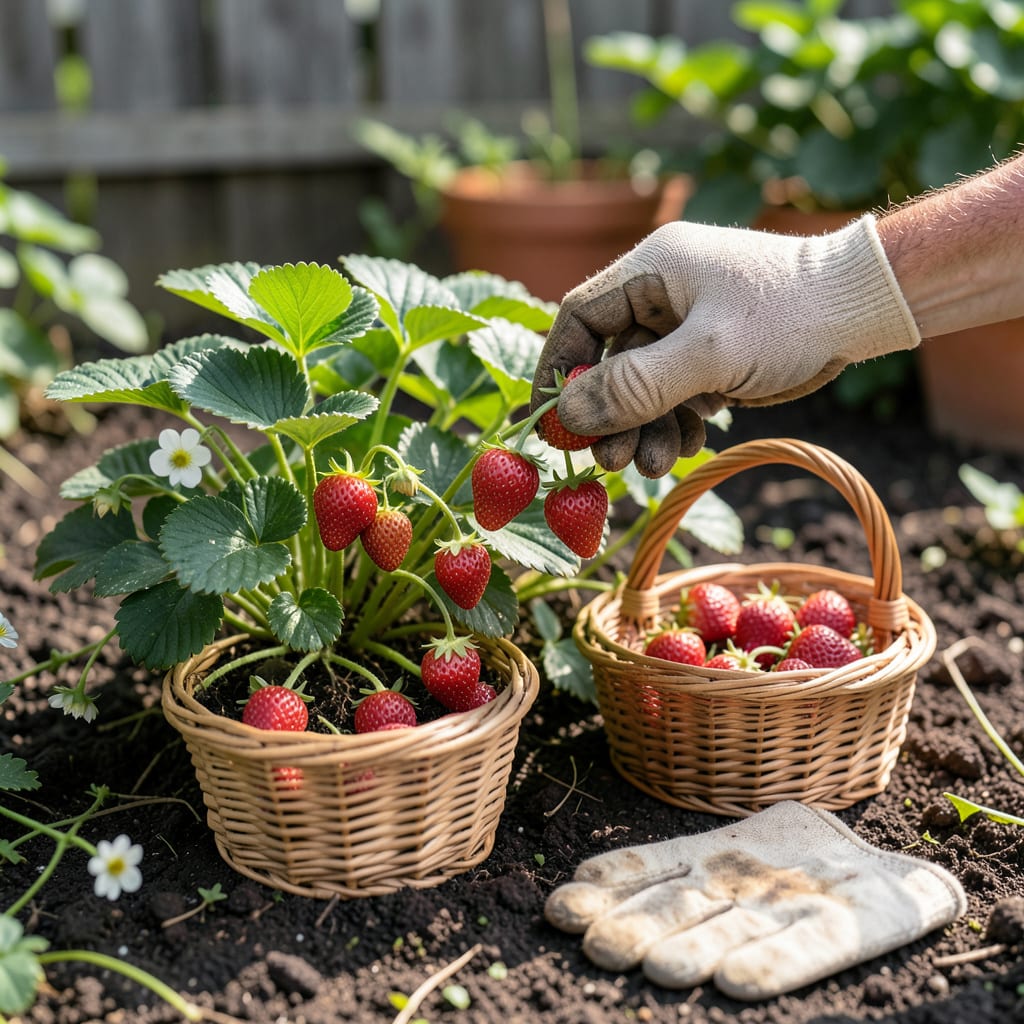
There’s nothing worse than biting into a strawberry expecting sweetness—only to get a mouthful of tart disappointment. That perfect balance of juicy, sun-ripened flavor? It all comes down to knowing exactly when to pick.
I’ve spent seasons testing the subtle cues that separate a mediocre berry from one that bursts with flavor. From color shifts to gentle touch tests, I’ll show you how to spot peak ripeness in your 🍓 strawberries—so you never guess (or regret) again.


I’ve found that color alone can be deceiving when picking strawberries. A berry might look perfectly red but still taste tart if it’s not fully ripe. That’s where the firmness test comes in—it’s my foolproof way to ensure sweetness every time. Gently press the shoulder area (near the stem) with your fingertips.
An underripe strawberry feels hard, almost like a marble, while an overripe one will be mushy and bruise easily. The perfectly ripe berry yields slightly, like a ripe avocado, but still holds its shape. If it detaches with a light twist, it’s ready to enjoy. This method works for all varieties, from June-bearing to everbearing types.
| Ripeness Stage | Firmness | Action |
|---|---|---|
| Underripe | Hard as a marble 💎 | Leave on plant |
| Perfectly Ripe | Slight give, like a ripe avocado 🤏 | Pick immediately |
| Overripe | Mushy, bruises easily 🧻 | Use right away |
For the best results, I always test multiple berries on the same plant. Sometimes, strawberries on the sunny side ripen faster than those in shade. If you’re growing day-neutral varieties like ‘Albion,’ check daily—they ripen in waves rather than all at once.
Here’s a pro tip: Morning harvesting gives you the firmest berries. The cool overnight temperatures help them retain structure. Avoid picking after rain, as excess moisture can make even ripe berries feel softer than they are. If you’re unsure, trust the twist test—a ripe strawberry will release easily from the stem.
If you accidentally pick an underripe strawberry, don’t toss it! Let it sit at room temperature for a day or two. While it won’t get sweeter, it may soften slightly. Overripe berries, on the other hand, are perfect for immediate use—think smoothies or preserves. Just avoid refrigerating them until you’re ready to use them.
Remember, the cap color matters too. A fully ripe strawberry will have a bright green cap that’s still firmly attached. If the cap is turning yellow or brown, the berry is past its prime. With practice, you’ll be able to judge ripeness with just a glance and a gentle squeeze. Happy harvesting! 🌱
For more tips, check out my guide on storing freshly picked strawberries to keep them flavorful for days. And if you’re growing strawberries in containers, don’t miss my container gardening tips for maximizing your harvest. ✅
If you’ve ever wondered why your neighbor’s strawberries ripen faster than yours, the answer often lies in the variety. Different strawberry types have unique harvesting windows, and knowing yours can prevent missed opportunities. Let me break down the key differences so you can plan accordingly.
June-bearing strawberries are the traditional favorites, producing one massive harvest over 2-3 weeks in early summer. These are perfect if you love preserving or freezing berries all at once. Everbearing varieties, on the other hand, give you 2-3 smaller harvests—spring, summer, and fall.
| Variety | Harvest Window | Frequency | Best For |
|---|---|---|---|
| June-Bearing | 2-3 weeks in June | Once per season | Preserves, large batches |
| Everbearing | Spring, summer, fall | 2-3 times per season | Fresh eating, small gardens |
| Day-Neutral | Continuous (June-Oct) | Weekly picking | Containers, extended harvest |
💡 Pro Tip: Day-neutral varieties like ‘Albion’ thrive in containers and produce berries all season if temperatures stay between 35-85°F.
For June-bearing varieties like ‘Chandler’ or ‘Honeoye’, mark your calendar for 4-6 weeks after flowering. These plants put all their energy into one big flush, so check daily once the first berries start blushing. Everbearing types like ‘Ozark Beauty’ need consistent monitoring every few days during their cycles.
If you’re growing day-neutral strawberries, you’re in for a treat—they’ll produce steadily until frost if conditions are right. I recommend picking these every 2-3 days to catch berries at peak ripeness. Remember, smaller, frequent harvests mean less waste and more bursting-with-flavor berries.
Climate plays a role too! In warmer zones (7-9), you might harvest June-bearers in late May, while cooler areas (3-5) could see fruit in early July. Adjust your expectations based on your last frost date—strawberries typically fruit 4-6 weeks after blooming, regardless of variety.
No matter which type you grow, always harvest in the morning when berries are cool and firm. This preserves their texture and flavor. And
Even fully red berries can be underripe if picked too soon. Check for uniform color (no white tips) and a sweet aroma at the stem. If they’re still tart, wait 1-2 more days—sunlight exposure affects sweetness too.
Never! White or green patches mean the berry isn’t fully ripe. These areas will stay tart and firm. Wait until the entire surface is deep red, including the area near the cap. Patience pays off with sweeter flavor.
For June-bearing varieties, check daily once the first berries start ripening—they all mature within 2-3 weeks. For everbearing or day-neutral types, inspect plants every 2-3 days since they produce continuously. Morning is ideal for harvesting.
Sun exposure and position on the plant cause this variation. Berries facing south or outward get more sunlight and ripen first. Those hidden under leaves may need an extra 1-3 days. Gently part foliage to check hidden fruit.
No—strawberries don’t ripen after picking like some fruits. Once detached, their sugar content is fixed. Your best bet is leaving them on the plant longer (if animals aren’t a problem) or using row covers to trap heat.
