
Beautiful Plants For Your Interior
Beautiful Plants For Your Interior
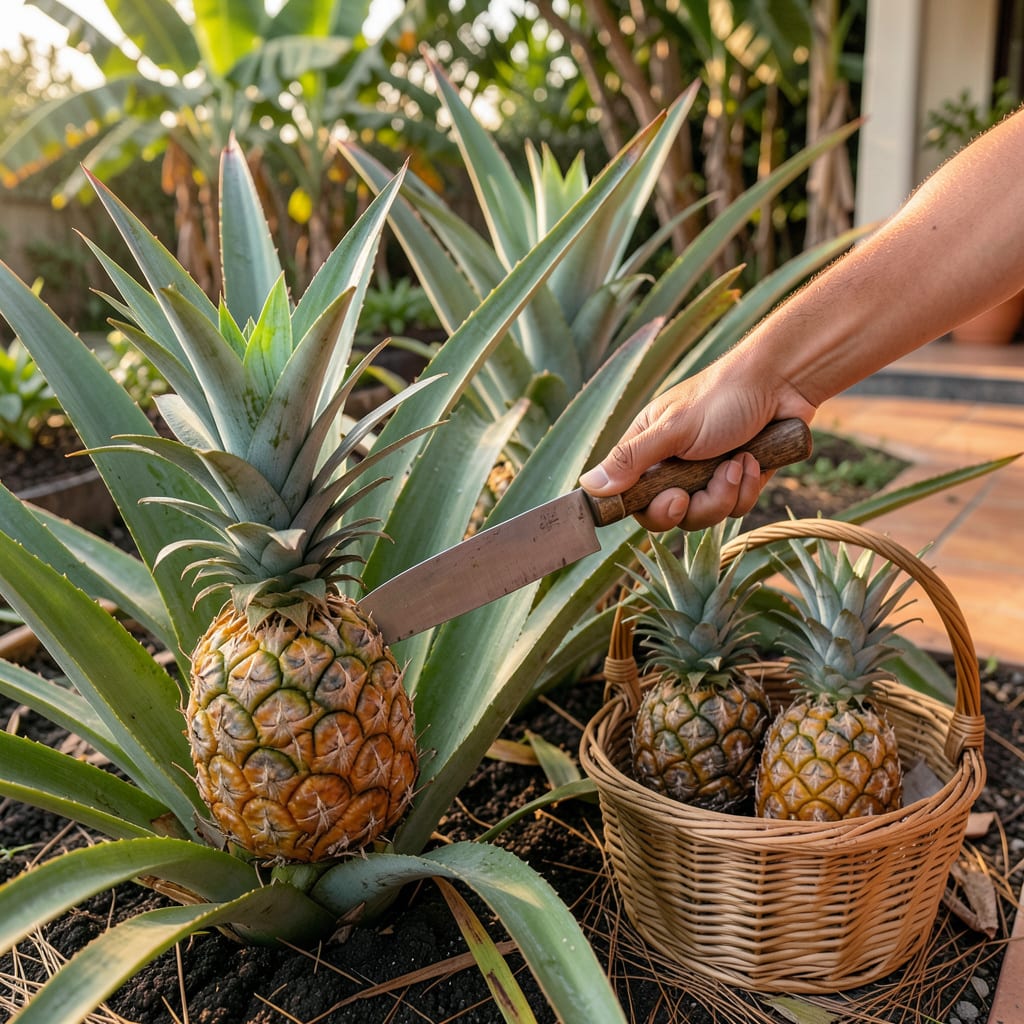
After 18-24 months of patiently tending your pineapple plant, the last thing you want is to harvest it too soon—or too late. That perfect balance between tart and sweet hinges on knowing the exact right moment to pick.
I’ve seen gardeners rely on guesswork, only to end up with underripe or overripe fruit. The good news? A few simple tests—like the leaf-pull trick and a quick scent check—can take all the uncertainty out of the process. Let’s make sure your homegrown 🍍 is as delicious as it deserves to be.


After 18–24 months of patiently tending your pineapple plant, the moment of truth arrives: is it ripe enough to pick? Unlike store-bought fruit, homegrown pineapples won’t ripen further once plucked, so timing is everything. I’ll walk you through the three fail-safe tests I use in my garden.
First, forget the old myth that pineapples ripen after picking—they don’t. Your fruit’s sweetness is locked in at harvest, so accuracy matters. I’ve ruined a few pineapples by guessing, but these methods now give me perfectly sweet results every time. Let’s start with the easiest test.
The leaf-pull test is my favorite because it’s scientifically reliable. As pineapples ripen, the fruit’s ethylene gas weakens the leaf attachment. If the leaf resists, the fruit isn’t producing enough ethylene yet. I check 3–4 leaves near the center for consistency.
Next, the scent test reveals sugar development. Pineapples convert starches to sugars as they ripen, releasing volatile compounds that create that tropical aroma. No smell? The starches haven’t converted yet. Pro tip: Warm the base with your hands for 10 seconds to intensify the scent.
For the color check, ignore the top—focus on the base third. A fully green base means it’s at least 1–2 weeks from ripe. Golden-yellow signals peak sweetness, but avoid waiting until the entire fruit turns yellow (that’s overripe). I’ve found Sugarloaf varieties turn yellow faster than Queen pineapples.
The gentle squeeze test is the final confirm. A ripe pineapple should give just slightly under pressure—like a firm avocado. Too soft? It’s overripe. Too hard? Give it 3–5 more days in warm weather. In cooler climates, ripening slows, so I add 7–10 days to my estimate.
Here’s a mistake I made early on: relying on size alone. Pineapples stop growing larger once they start ripening, so a big green pineapple isn’t necessarily ready. I once picked a 2-pound green pineapple thinking it was mature—it was sour and fibrous. Now I combine all three tests for foolproof results.
If your pineapple passes two out of three tests, it’s safe to harvest. I use clean pruning shears to cut the fruit with 2 inches of stem attached. Avoid twisting or pulling—this can damage the plant’s crown, which you can replant for your next crop!
After harvesting, let the pineapple sit at room temperature for a day to enhance flavor. Don’t refrigerate immediately—cold stops the final sugar development. I’ve stored homegrown pineapples for up to 5 days on the counter with no flavor loss. 🌿
Growing a pineapple takes patience—18 to 24 months from planting to harvest! The journey starts with a flower spike emerging from the center, followed by tiny berries that fuse into the fruit. Watching these stages helps you predict when to test for ripeness.
After flowering, the fruit grows rapidly for 5-7 months, shifting from green to golden. The base color is your first clue: when it turns yellow-orange, it’s time to check further. Climate plays a role—warmer zones speed up ripening, while cooler areas may delay it.
| Stage | Duration | Key Signs |
|---|---|---|
| Flowering | 2-3 months | Purple/red blooms appear |
| Fruit Formation | 5-7 months | Green berries fuse together |
| Color Change | 1-2 months | Base turns golden-yellow |
| Harvest Ready | 1-2 weeks | Sweet scent + slight softness |
Varieties like Sugarloaf ripen faster than Queen pineapples, which take longer but offer sweeter flesh. If you’re in USDA Zones 10-12, expect year-round growth. Cooler climates? Consider container gardening to move plants indoors during chilly months.
The leaf-pull test is my go-to: if a leaf near the base detaches with a gentle tug, the fruit is ripe. Avoid pulling too hard—damaged leaves can invite pests. Pair this with the scent test (a sweet aroma at the base) for foolproof results.
Pro tip: Morning harvesting preserves sweetness. Use clean shears to cut the fruit, leaving 1-2 inches of stem attached. This prevents rot and keeps the pineapple fresh longer. Store at room temperature for 2-3 days or refrigerate for up to a week.
If your pineapple ripens unevenly, don’t panic! Partial yellowing is normal. Just focus on the base color and scent. With practice, you’ll spot the perfect harvest window every time—no guesswork needed! 🌱
Even experienced gardeners can make critical errors when harvesting pineapples. I’ve learned the hard way that timing isn’t just about ripeness—it’s also about avoiding common pitfalls that ruin flavor or damage the plant. Let’s cover the mistakes I see most often.
First, never harvest in cold weather or early morning when dew is present. Cold temperatures slow sugar production, and moisture can dilute flavor. I wait until mid-morning on a warm day for peak sweetness. Also, avoid pulling the fruit—always use clean shears to prevent rot.
Another mistake? Relying on size alone. I once harvested a large green pineapple thinking it was mature—it was sour and fibrous. Size doesn’t equal ripeness! Always combine the leaf-pull, scent, and color tests for accuracy.
If you accidentally pick an underripe pineapple, don’t panic. Place it in a paper bag with a banana or apple at room temperature. The ethylene gas from these fruits can speed up ripening slightly. I’ve saved a few pineapples this way!
For overripe fruit, use it immediately—it won’t store well. Cut it into chunks and freeze for smoothies, or dehydrate for snacks. Remember, pineapples don’t ripen further after picking, so timing is everything. With practice, you’ll nail the perfect harvest window! 🌿
After flowering, pineapples typically take 5-7 months to fully ripen. The process starts with green fruit development, followed by gradual color changes.
In warmer climates, this may speed up slightly, while cooler areas can add 2-4 weeks to the timeline. Always use the leaf-pull and scent tests for confirmation.
Yes! The base turning golden-yellow is the first sign of ripeness. The top may still be green, which is normal for homegrown pineapples.
Just verify with the scent test—a sweet aroma at the base confirms it’s ready. If the base is yellow but there’s no scent, wait 3-5 more days.
This usually means the fruit is close but not quite ripe. Wait 2-3 days and retest—scent develops last as sugars concentrate.
If warm weather is forecasted, the scent may appear faster. Cool temperatures can delay aroma development by up to a week.
No, pineapples don’t ripen further after harvest. All sugar development happens on the plant, so timing is critical.
You can soften slightly underripe fruit by storing it at room temperature for 1-2 days, but sweetness won’t increase.
Keep whole pineapples at room temperature for up to 5 days for best flavor. For longer storage, refrigerate in a bag for up to 2 weeks.
Cut pineapple should be refrigerated in an airtight container and used within 3-4 days for peak freshness.
