
Beautiful Plants For Your Interior
Beautiful Plants For Your Interior
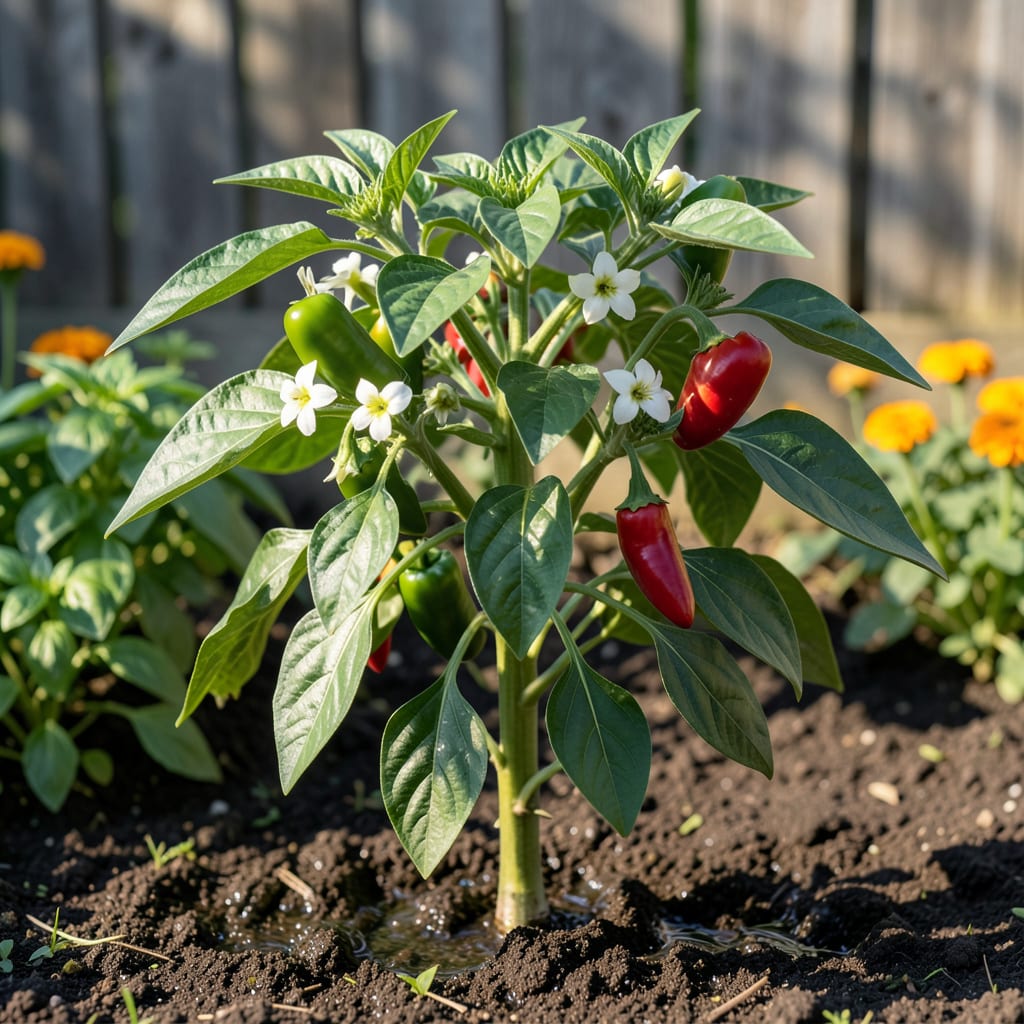
That moment when your 🌶️ jalapeños are finally ready to pick—only to realize you’re not entirely sure if they’re at peak flavor. Too soon, and they’ll taste mild and underwhelming. Wait too long, and they might turn bitter or lose their signature crunch.
I’ve learned the hard way that timing is everything. The good news? A few simple tricks—like the snap test and color cues—can take the guesswork out of harvesting. Let me show you exactly what to look for so you never second-guess your jalapeño haul again.


If you’ve ever wondered why your homemade salsa lacks that signature kick, the answer might be in your harvest timing. Jalapeños transform dramatically as they mature, and their color stages reveal everything about their flavor and heat potential. Let me walk you through what each hue means.
Most gardeners don’t realize that a jalapeño’s journey from bright green to deep red isn’t just about looks—it’s a flavor evolution. The same pepper can go from mild and grassy to smoky and fiery, all depending on when you pick it. Here’s how to decode nature’s color-coded spice chart.
*SHU = Scoville Heat Units. Most grocery store jalapeños are picked green at ~5,000 SHU.
The green stage is where most commercial jalapeños are harvested, but I always recommend letting at least some turn red on the plant. The capsaicin (that’s the compound that makes peppers hot) increases dramatically as they ripen. A red jalapeño can be 5 times hotter than its green counterpart!
Here’s a pro tip: If you want consistent medium heat, harvest when peppers are dark green with just a hint of red streaking. This is the sweet spot where you get good heat without overwhelming spiciness. The flesh thickens too, making them perfect for stuffing or grilling.
Watch for the glossy sheen—this is nature’s way of telling you the pepper is at peak ripeness. Dull-skinned jalapeños are either not ready or past their prime. I like to do the fingernail test: gently press your nail into the pepper. If it leaves a slight indentation that bounces back, it’s perfect.
The red stage is where things get interesting. These peppers develop sweet, almost fruity notes that balance their intense heat. They’re fantastic for drying into chips or making smoky hot sauces. Just be warned—they’ll pack serious heat! I once made the mistake of using red jalapeños in a batch of pico de gallo without adjusting the quantity. Let’s just say my guests needed extra tortilla chips to dilute the fire.
Remember that color isn’t the only indicator. Size matters too—most jalapeños are ready when they reach 2-3 inches long. Smaller peppers tend to be milder, while larger ones (up to 4 inches) have developed more capsaicin. The stem should also feel slightly woody at the base when the pepper is fully mature.
If you’re growing multiple plants, I recommend staggered harvesting. Pick some green for immediate use, leave others to ripen to red for different flavor profiles. This way, you’ll always have the perfect pepper for any dish. Plus, regular harvesting actually encourages more production, so you’ll get a bigger yield overall.
One thing to watch for: if your jalapeños start developing white stretch marks (called corking), this is actually a sign of maturity, not a flaw. These peppers often have thicker walls and more complex flavors. Don’t toss them—they’re some of the best for smoking or roasting!
Finally, don’t forget that growing conditions affect heat levels. Peppers grown in hotter climates or with less water tend to be spicier. If you want milder jalapeños, keep the soil consistently moist and provide some afternoon shade in extreme heat. The same variety can taste completely different based on how you grow it.
🌶️I’ve found that jalapeño color is just the first clue—your hands can tell you even more. The snap test is my go-to: gently bend the pepper near the stem. If it breaks cleanly with a crisp snap, it’s ready. No bendy, rubbery resistance means it’s still maturing.
Size matters too. Most jalapeños hit their peak flavor at 2–3 inches long and about 1 inch wide. Smaller pods lack heat and complexity, while oversized ones can turn bitter. I always keep a ruler handy during harvest season to double-check.
Here’s a trick I swear by: wear gloves when testing. Capsaicin (the compound that makes peppers hot) can irritate skin, especially if you’re checking multiple peppers. I learned this the hard way after rubbing my eyes mid-harvest—not fun!
Timing affects texture too. Jalapeños picked in the early morning are crispest because they’re fully hydrated from overnight moisture. Avoid harvesting during midday heat, when peppers can wilt slightly and lose firmness.
If you’re growing multiple plants, prioritize picking from the healthiest stems first. This encourages the plant to redirect energy to producing new peppers. I mark ready pods with a twist tie the day before harvesting to avoid second-guessing.
Remember, frequent harvesting boosts yield. I aim to pick jalapeños every 3–5 days during peak season. Leaving overripe pods on the plant signals it to stop producing, so stay proactive! 🌿
Even experienced gardeners sometimes mess up the jalapeño harvest. The biggest mistake I see? Picking too early—those pale green, undersized pods lack both heat and flavor. But waiting too long isn’t great either. Overripe jalapeños turn mushy and develop a bitter edge that ruins dishes. 🌱
Another critical error is ignoring the plant’s stress signals. If your jalapeño leaves look wilted or yellow, the peppers might be diverting energy to survive instead of ripening properly. Always check soil moisture—inconsistent watering leads to cracked skins or uneven ripening. ✂️
Fix it: Harvest when pods are 2–3 inches, glossy, and snap cleanly. Use pruners for a clean cut.
Here’s a pro tip: Don’t harvest all peppers at once. Stagger your picks to keep the plant producing. If you strip every pod simultaneously, the jalapeño plant may think its job is done and slow down new growth. I leave a few smaller peppers on the plant to signal it to keep flowering. 🌿
Watch for pest damage too—holes or chewed edges mean insects beat you to the harvest. If you spot pests, remove affected peppers immediately and treat the plant with neem oil or insecticidal soap. Healthy plants produce the best-flavored jalapeños, so stay vigilant! 🪴
Finally, storage matters post-harvest. Leaving picked jalapeños in direct sunlight or a warm kitchen speeds up spoilage. For maximum freshness, store them in a paper bag in the fridge (not plastic!) for up to 10 days. For long-term use, dry or freeze them—just avoid washing until ready to use, as moisture promotes mold. ⏰
Most jalapeños reach harvest size in 60-90 days after planting. The ideal window is around 75 days, when they’re typically 2-3 inches long and vibrant green. Hotter climates may speed this up by a week or two.
Small jalapeños under 2 inches usually lack full flavor and heat. Wait until they reach at least 2-3 inches for optimal taste. The exception is if you prefer milder flavor—just know you’re sacrificing some of that signature jalapeño kick.
This is completely normal! Jalapeños naturally ripen at different rates. The red ones are fully mature with maximum heat, while green ones are younger. You can pick either—just know red peppers will be 2-5 times hotter than green ones.
Always use clean pruners or scissors to cut the stem, leaving about 1/4 inch attached. Never pull or twist peppers off—this can break branches and reduce future yield. Morning harvesting works best when plants are well-hydrated.
Those white lines (called corking) actually indicate maturity and thicker walls. They’re perfect for stuffing or roasting. The marks don’t affect flavor—they just mean your pepper has reached its full potential.
