
Beautiful Plants For Your Interior
Beautiful Plants For Your Interior
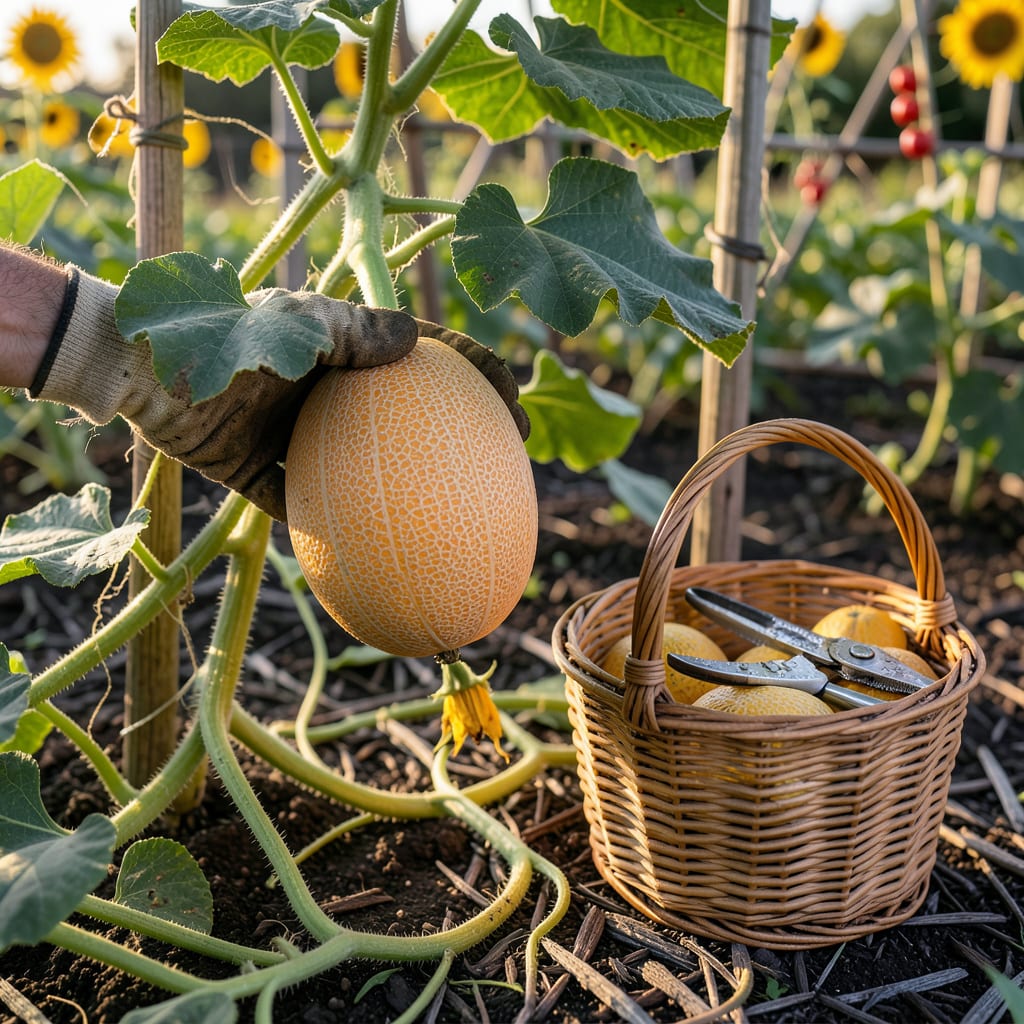
There’s nothing worse than cutting into a cantaloupe you’ve nurtured for months—only to find it underripe or overripe. That perfect moment of sweetness hinges on one simple trick: the stem-slip test.
I’ve wasted too many melons guessing, but once I learned this method, my harvests became foolproof. Whether you’re a first-timer or a seasoned gardener, I’ll show you exactly how to check for ripeness—plus the visual and scent clues that seal the deal. No more disappointment, just juicy, sun-ripened flavor.


If you’ve ever cut into a cantaloupe only to find it disappointingly bland, you’re not alone. The trick to that perfect, juicy sweetness lies in a simple technique called the stem-slip test. Unlike other melons, cantaloupes don’t ripen further once picked, so timing is everything.
This method relies on how easily the stem detaches from the vine. When a cantaloupe is fully ripe, the stem naturally separates with just a gentle tug—this is called the “full slip” stage. It’s nature’s way of telling you the fruit is ready to enjoy.
Pro Tip: Perform the test in the early morning when temperatures are cooler—this reduces stress on the vine.
Why does this work? As cantaloupes ripen, they release ethylene gas, which weakens the stem’s attachment. This natural process ensures the fruit only detaches when its sugar content is highest. Pulling too early means you’re fighting the plant’s biology—and losing flavor.
One common mistake is yanking the stem before it’s ready. This can damage the vine and leave you with an underripe melon. Instead, let the cantaloupe come to you. If the stem doesn’t slip easily, give it more time. Patience here means sweeter rewards later.
Another clue to watch for is the stem’s appearance. A ripe cantaloupe often has a slightly cracked or dried stem base, almost like it’s begging to be picked. If the stem looks green and supple, the fruit isn’t ready yet. This visual cue pairs perfectly with the slip test for foolproof results.
If you’re growing multiple cantaloupes, check them individually. Even on the same vine, fruits can ripen at slightly different times. I like to mark the ripest candidates with a twist tie or ribbon a few days before I expect them to slip. This helps me keep track without daily guesswork.
Weather plays a role too. In hot, dry conditions, cantaloupes may ripen faster, while cool, rainy spells can slow the process. Adjust your checking schedule based on your local forecast. A sudden heatwave might mean testing a day or two earlier than planned.
Once you’ve mastered the stem-slip test, you’ll never second-guess your harvest again. The difference between a just-right cantaloupe and one picked too soon is night and day—especially in terms of sweetness and texture. Trust the process, and your taste buds will thank you! 🌱
Remember, cantaloupes won’t continue ripening after picking, so this test is your one shot at perfection. If you’re still unsure, pair the stem-slip method with other ripeness signs like rind color and aroma (more on those in the next section) for extra confidence. Happy harvesting! 🪴
While the stem-slip test is my go-to method, I always double-check with these 5 foolproof signs to confirm ripeness. The rind color is your first clue—watch for that shift from green to a creamy tan or beige between the netting.
The netting texture also tells a story. A ripe cantaloupe has raised, coarse netting, while an unripe one feels smooth. And don’t forget the blossom end—it should yield slightly when pressed, like a ripe avocado.
| Sign | Underripe | Perfectly Ripe |
|---|---|---|
| Stem Slip | Firmly attached 🔗 | Detaches easily ✅ |
| Rind Color | Green or pale 🟢 | Tan/beige 🟡 |
| Aroma | Little to no scent 👃 | Sweet, musky fragrance 👃 |
| Netting | Smooth texture | Raised, coarse feel |
| Blossom End | Hard as a rock | Slightly soft (like a peach) |
I always give my cantaloupes the “sniff test”—a ripe one smells sweet and musky at the stem end. If it smells like nothing, it’s not ready. Weight matters too: a ripe melon feels heavy for its size, thanks to high water content.
Watch the weather forecast too. If rain is coming, I harvest slightly early to avoid split fruit or diluted sweetness. But if temps are soaring, I check daily—heat speeds up ripening, and you don’t want to miss that perfect 24-hour window.
One trick I swear by: tap the cantaloupe. A ripe one sounds hollow and deep, like a drum. A dull thud means it’s underripe, while a high-pitched echo suggests overripeness. Combine this with the other signs, and you’ll never pick too soon again.
Remember, cantaloupes won’t ripen further once picked, so wait for most signs to align. The only exception? If critters are eyeing your patch—I’ll harvest a day early and let it finish indoors. Better safe than sorry when deer or raccoons are lurking! 🪴
You’ve mastered the stem-slip test and harvested your cantaloupes at peak ripeness—now what? Unlike some fruits, cantaloupes won’t improve after picking, so proper handling is key to preserving that garden-fresh flavor.
If you accidentally pick one slightly early, don’t panic. Place it on your countertop at room temperature for 1-2 days. The blossom end (opposite the stem) may soften slightly, but don’t expect miracles—flavor won’t develop much further.
Warning: Never wash cantaloupes until right before cutting—moisture promotes mold!
For fully ripe cantaloupes, I recommend refrigerating them to slow decay. The cold preserves texture and sweetness for up to 5 days. Just let them sit at room temp for 30 minutes before eating to enhance flavor.
Watch for spoilage signs: soft spots, off smells, or a slimy rind. If the stem end develops mold, compost it immediately—this can spread to other produce. A whole, uncut cantaloupe should feel heavy for its size even after storage.
If you’re dealing with a bountiful harvest, share extras with neighbors or dehydrate slices for chewy snacks. I’ve found that vacuum-sealing cubes extends freezer life to 6 months without freezer burn. Label bags with the date to track freshness.
Remember, cantaloupes absorb odors, so store them away from onions, garlic, or strong cheeses. A dedicated crisper drawer works best. With these tips, you’ll enjoy your homegrown sweetness long after the vine stops producing! 🌿
Trust the stem-slip test first—it’s the most reliable indicator. If the stem resists but the rind shows tan color and coarse netting, wait 1-2 more days. The stem will detach when the fruit’s sugar content peaks.
Picking too soon sacrifices sweetness, and cantaloupes won’t ripen further off the vine. Patience pays off with juicier flavor!
Unfortunately, no. Cantaloupes don’t ripen after picking like bananas or avocados. You can leave it at room temperature for 24-48 hours, but flavor and sweetness won’t improve significantly.
Next time, wait for the stem to slip naturally. Use underripe melons in smoothies or salsas where texture matters less.
Start testing when the rind begins changing from green to tan—usually 70-85 days after planting. In hot weather, check daily. Cooler temps may require checks every 2-3 days.
Mark promising candidates with garden twine to track progress without handling them excessively. Morning checks work best when plants are hydrated.
This happens when humidity is high. The aroma develops first, but the stem needs dry conditions to separate. Wait for a sunny day and test again—it should slip within 12-24 hours.
If rain is forecasted, harvest slightly early to prevent splitting. Store at room temp until the stem end yields to gentle pressure.
Early morning is ideal—temperatures are cooler and the fruit is most hydrated. Avoid midday heat which can stress plants and cause melons to lose moisture quickly.
Use clean pruners to cut the stem (if it hasn’t slipped naturally) and handle gently to prevent bruising. Store unwashed until ready to eat.
