
Beautiful Plants For Your Interior
Beautiful Plants For Your Interior
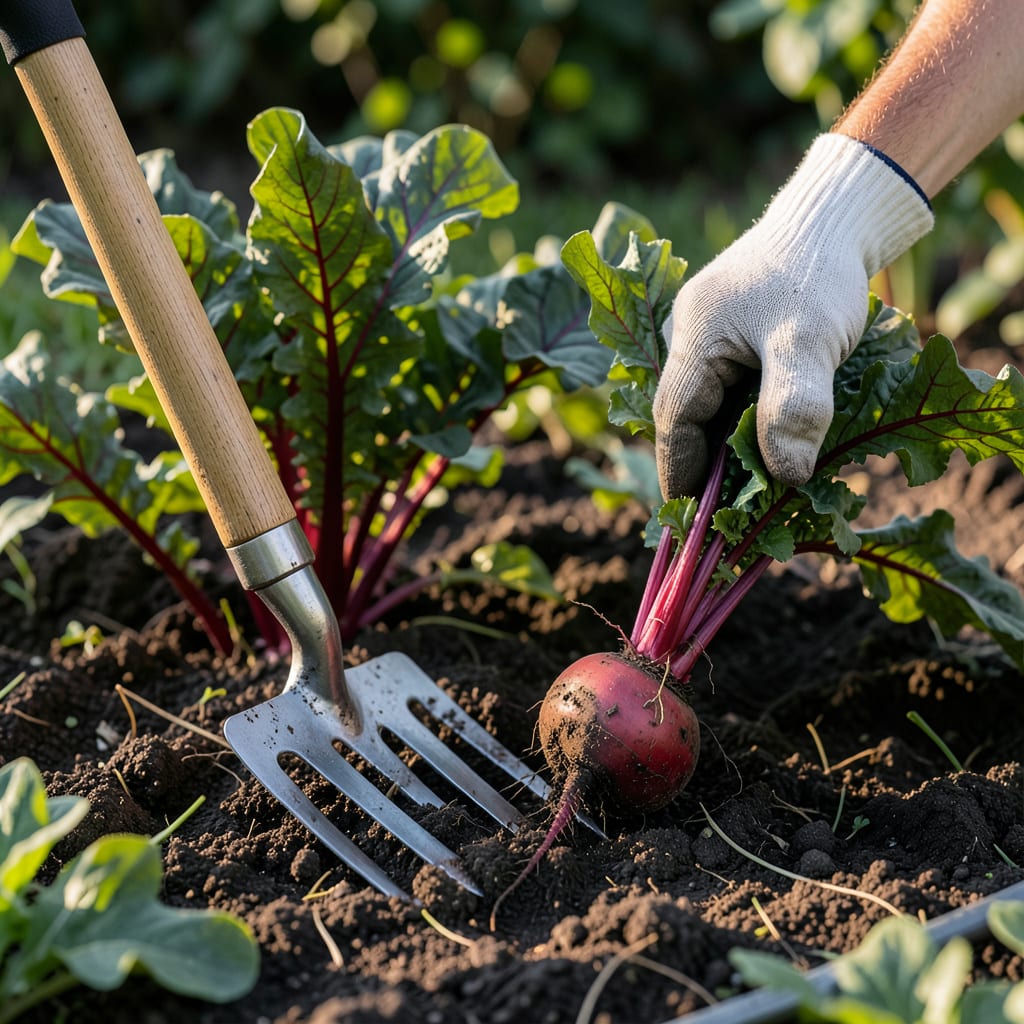
Harvesting Beetroot at the perfect time ensures the best flavor and texture, but knowing the right moment can be tricky for even experienced gardeners.
I’ll walk you through the key visual signs and simple checks to determine when your 🟣 beets are ready to pick. Let’s make sure you get the most out of your garden.


Timing your beetroot harvest perfectly ensures the best flavor and texture. I always look for visual cues that indicate the roots have reached their prime. The most obvious sign is when the shoulders of the beet begin to protrude above the soil line.
Another telltale indicator is the size of the beet. Most varieties are ready when they reach 1.5 to 3 inches in diameter. If you’re unsure, gently brush away the soil around the top to check the size without disturbing the plant too much.
| Harvest Sign | Description |
|---|---|
| Shoulders Visible | Top of beet 1-2 inches above soil |
| Diameter | 1.5-3 inches ideal size range |
| Texture | Firm and smooth to touch |
| Color | Rich deep purple or variety-specific hue |
I also pay close attention to the foliage. When the leaves reach about 6 inches tall, it’s often a sign that the roots below are developing well. However, don’t rely solely on leaf size, as some varieties may have different growth patterns.
The maturity period is another key factor. Most beetroot varieties take between 50 to 70 days to mature. If you planted from seed, you can count the days since sowing to estimate when they might be ready.
For the most accurate check, I recommend the “gentle brush” method. Carefully move the soil around the base of the plant to expose the top of the beet. This lets you assess both size and firmness without pulling the plant prematurely.
Beets that are too small (under 1 inch) may lack flavor, while those left too long can become woody and tough. I’ve found that medium-sized beets often offer the best balance of sweetness and tenderness.
Remember that growing conditions can affect maturity time. Beets in cooler climates may take longer to reach harvest size, while those in warmer areas might mature faster. Always adjust your expectations based on your local environment.
If you’re growing baby beets for pickling or salads, you can harvest them when they’re just 1 inch in diameter. These smaller roots are incredibly tender and have a milder flavor that many gardeners prefer.
Finally, trust your instincts. After a few seasons of growing beets, you’ll develop an eye for when they’re at their peak. I still get excited every time I see those first shoulders pushing through the soil, knowing a fresh harvest is just days away.
☀️Harvesting beetroot at the right moment is only half the battle. I’ve learned that using the proper technique preserves both the roots and the greens. The best time to harvest is in the cool morning or evening to reduce plant stress.
I always start by watering the soil lightly the day before harvesting. This softens the ground, making it easier to pull the beets without breaking the roots or damaging the foliage.
If the soil is compact or rocky, I recommend using a garden fork to lift the beets carefully. Insert it a few inches away from the plant to avoid piercing the root. This method works well for heavy clay soils where pulling might be difficult.
For baby beets, the process is similar, but I use extra care due to their delicate size. A small hand trowel or even my fingers are often enough to gently coax them from the soil. These tender roots bruise easily, so handle them with patience.
After harvesting, I inspect each beet for damage or disease. Any with cuts or soft spots get used first, while the perfect specimens can be stored in a cool, dark place for up to 2 weeks. Never wash beets before storage, as moisture encourages rot.
I’ve found that consistent harvesting encourages the remaining plants to grow larger. If you have a big crop, stagger your harvest over a few days to enjoy fresh beets for as long as possible.
🌱Even experienced gardeners can make mistakes when harvesting beetroot. One of the most common errors is waiting too long to pull the roots. Overmature beets often become woody and bitter, losing the sweetness we all love.
Another frequent misstep is harvesting too early. Beets pulled before they’ve reached at least 1 inch in diameter often lack the full, rich flavor that develops as they grow. Patience really pays off with this crop.
⚠️ Warning: Avoid twisting or yanking beets by the greens. This can damage the plant and leave the root stuck in the soil.
I’ve also seen gardeners mishandle the greens after harvesting. Cutting them too short or leaving them attached can lead to moisture loss and wilting. I always trim the tops to 2 inches to keep the roots fresh.
Some folks forget to check soil conditions before harvesting. Trying to pull beets from dry, compacted soil can result in broken roots. Always water the bed lightly the day before to make the process easier.
Lastly, don’t overlook the weather conditions. Harvesting during the hottest part of the day can stress the plants and affect the quality of both roots and greens. I prefer to do my beet harvesting in the early morning or late afternoon.
🌱Most varieties are ideal at 1.5 to 3 inches in diameter. Smaller beets (around 1 inch) work for baby beets, while larger ones may turn woody. Check by gently brushing soil from the top.
Yes, overmature beets become tough and bitter. Harvest within the 50-70 day range for best flavor. If left past 3 inches, they may lose sweetness.
Leaves about 6 inches tall often signal developing roots below. However, always verify by checking the root size, as leaf growth varies by variety.
Harvest in the cool morning or evening to reduce plant stress. Avoid midday heat, which can affect both root and greens quality.
