
Beautiful Plants For Your Interior
Beautiful Plants For Your Interior
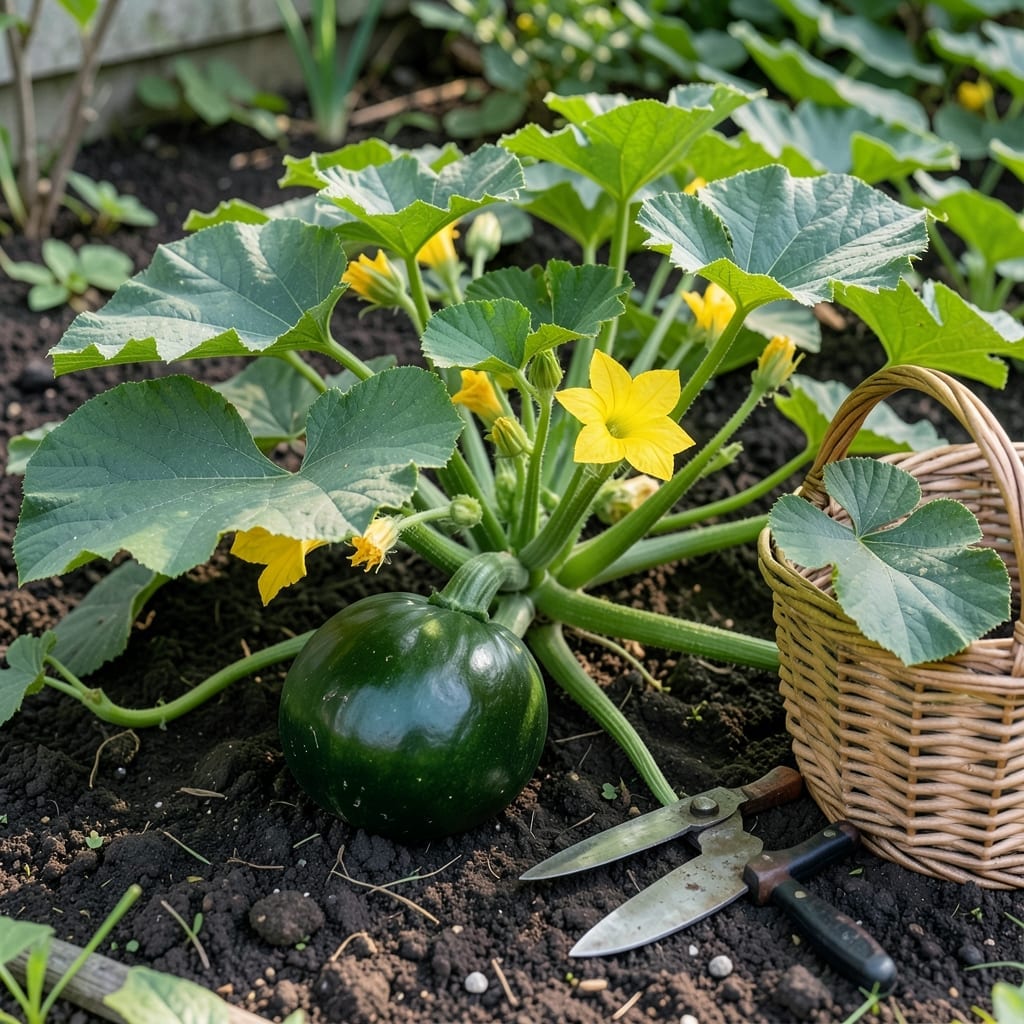
Harvesting Summer Squash 🥒 at just the right time makes all the difference between a tender, flavorful veggie and a tough, bitter disappointment. Even experienced gardeners sometimes struggle to spot the perfect moment.
Missing that sweet spot can leave you with produce that’s either underripe or past its prime. The good news? There are clear signs to watch for if you know where to look.
I’ll walk you through the most reliable visual and tactile cues that signal your Summer Squash is ready to pick. No guesswork required.
Discover how to check the stem, test skin hardness, and more to ensure every harvest is the best it can be.
Knowing when to harvest summer squash starts with observing its skin color and glossiness. A ripe specimen will have a vibrant, consistent hue that’s true to its variety—deep green for zucchini or bright yellow for crookneck types.
The skin should appear shiny and firm, not dull or soft. This glossy finish indicates peak freshness and optimal moisture content inside the fruit. Dull skin often means it’s either underripe or overripe.
| Variety | Ripe Color | Size at Maturity |
|---|---|---|
| Zucchini | Deep green | 6-8 inches long |
| Yellow Squash | Bright yellow | 5-7 inches long |
| Pattypan | Pale green or yellow | 3-4 inches diameter |
Another key indicator is the size of the squash. Most varieties are ready when they reach 6-8 inches in length, though smaller types like pattypan are best at 3-4 inches in diameter. Size varies by type, so check seed packets for specifics.
The stem condition also tells a story. A ripe summer squash will have a dry, woody stem where it attaches to the vine. If the stem is still green and flexible, the squash isn’t ready yet. This is one of the most reliable signs I look for.
Don’t overlook the skin hardness test. Gently press your fingernail into the skin. If it leaves a slight impression, the squash is ripe. If it’s too hard to pierce, it’s not ready; if it’s too soft, it’s likely overripe.
For zucchini, look for a uniform dark green color and a length of about 6 inches. Yellow squash should be a bright, even yellow without any green streaks. Pattypan squash are ready when their scalloped edges are fully formed.
If you notice blooming flowers still attached, the squash is likely too young. Wait until the blossom end is slightly soft and the flower has wilted. This ensures the fruit has fully developed its flavor and texture.
Harvesting at the right time encourages more production from the plant. I always check my vines every 1-2 days during peak season, as summer squash can grow rapidly and become overripe quickly in warm weather.
Remember, bigger isn’t always better. Oversized squash tends to have tough skin and large seeds, which can be bitter. Stick to the recommended size for the best eating experience.
By combining these visual cues with a quick touch test, you’ll never question ripeness again. Happy harvesting! 🌿
While visual cues are helpful, I rely on tactile tests to confirm my summer squash is truly ripe. The thumbnail test is my go-to method—gently press your nail into the skin.
A ripe squash will show a slight indentation without puncturing. If it’s too hard, it needs more time. If it’s too soft, you’ve waited too long and it may be overripe.
The stem check is another reliable method. A dry, brown stem where it attaches to the vine means the squash is ready. If it’s still green and pliable, give it a few more days.
For an extra confirmation, try the tap test. Gently tap the squash with your knuckle. A hollow sound often means it’s ripe, while a dull thud suggests it’s not quite there yet.
I avoid waiting for the perfect size alone, as summer squash can grow quickly. Instead, I combine size, color, and touch tests for the best results. Harvesting in the morning when plants are hydrated also helps.
Remember, frequency matters. Check your plants every 1-2 days during peak season. Summer squash can go from perfect to overripe in just a day or two, especially in hot weather.
With these simple tests, you’ll always pick your squash at its peak. Trust your senses! 🌱