
Beautiful Plants For Your Interior
Beautiful Plants For Your Interior
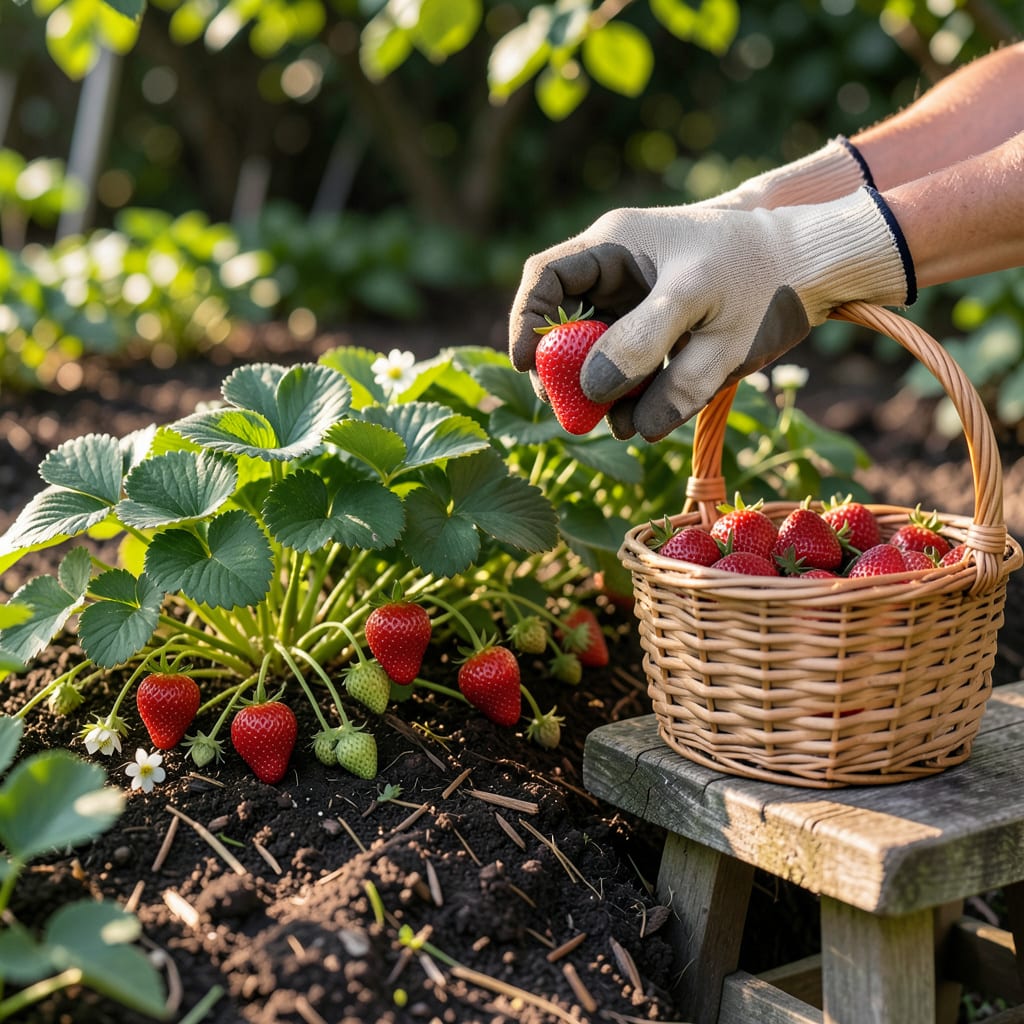
There’s nothing quite like the taste of a perfectly ripe strawberry—bursting with sweetness and juiciness. But pick too soon, and you’ll get a tart, underwhelming bite. So how do you know when your 🍓 Strawberries are truly ready?
I’ve spent years perfecting the art of harvesting at just the right moment. From color clues to the subtle “twist test,” I’ll show you the foolproof signs to look for. No more guessing—just sweet, sun-ripened success every time.


Nothing beats the taste of a sun-ripened strawberry plucked straight from your garden. But timing is everything—pick too soon, and you’ll get a sour bite; wait too long, and the birds or rot will beat you to it. Let’s break down the 7 foolproof signs your berries are begging to be harvested.
First, forget the myth that all-red means ready. Some varieties develop deep crimson hues days before they’re fully sweet, while others stay slightly pink at peak ripeness. The real clues lie in color uniformity, texture, and even smell. I’ll show you how to spot them like a pro.
Pro Tip: June-bearing strawberries ripen all at once (perfect for jam!), while everbearing types produce smaller batches over months. Adjust your expectations based on the variety!
Here’s a trick I swear by: Check the underside. Many gardeners only look at the top, but the part touching the soil often ripens last. If it’s still pale, give it another 1–2 sunny days. Patience pays off with strawberries!
Weather plays a huge role too. Hot, dry spells can rush ripening, making berries soft and less sweet. If temps soar above 85°F, harvest them a day early to avoid mushy texture. Conversely, cool, cloudy weeks slow things down—wait for full color even if it takes longer.
Ever noticed how store-bought strawberries lack flavor? That’s because they’re picked underripe for shipping. Your homegrown berries should be darker red and softer than grocery store ones. Don’t be afraid of deep color—it’s a sign of maximum sugar content!
If you’re growing alpine strawberries (those tiny, ultra-sweet wild types), they’ll be ripe when they’re fully red and slightly translucent. Their seeds also turn a deeper brown than standard varieties. I love these for snacking straight from the plant—they’re like nature’s candy!
One common mistake? Pulling instead of twisting. Yanking can damage the plant or leave part of the berry behind. Instead, pinch the stem between your fingernails and twist gently. The berry should pop off cleanly, stem and cap intact. If it doesn’t, it’s not ready.
Finally, trust your senses. A ripe strawberry will smell like summer—sweet, slightly tangy, and irresistible. If it passes the sniff test, the taste test will be even better. And remember: morning harvesting (before 10 AM) gives you the firmest, juiciest berries with the longest shelf life.
Now that you know the signs, grab a basket and head to your patch. The birds won’t wait, and neither should you when those berries hit their peak ripeness window! Happy picking! 🌱
I’ll let you in on a secret: the best strawberries aren’t just picked by sight—they’re chosen by touch and smell. Before you pluck that berry, give it a gentle finger test. Press lightly with your fingertip—if it yields slightly, it’s likely ripe. Too firm? It needs more time.
Next, try the twist test. Grasp the berry between your thumb and forefinger and give it a gentle twist. A ripe strawberry will release easily from the stem, while an unripe one clings stubbornly. This simple trick saves you from damaging fruit that isn’t ready yet.
💡 Pro Tip
For the sweetest strawberries, check the aroma near the stem. A ripe berry will have a strong, sweet fragrance—if it smells bland, it’s not ready. Morning is the best time to test, as berries are cooler and more aromatic.
Don’t forget the sniff method. Lean in close and inhale near the stem—ripe strawberries release a distinct sweetness that’s impossible to miss. If you’re met with a faint or grassy smell, the berry needs more sun. This works especially well for everbearing varieties like ‘Albion’ or ‘Seascape’.
Watch the calyx (green cap) too. On ripe berries, it should look fresh and upright, not wilted or drooping. A droopy cap often means the berry is past its prime or was picked too late. For June-bearing strawberries, this is a key indicator of peak ripeness.
If you’re growing day-neutral strawberries, like ‘Tristar’, they’ll ripen in smaller batches. Test a few berries daily, as their ripening window is shorter. Overripe berries turn mushy and lose their bright red sheen—harvest them promptly for jams or smoothies instead.
Finally, trust your instincts. The more you practice these tests, the quicker you’ll spot the perfect strawberry. And remember: always pick with the stem attached to extend shelf life. Now get out there and enjoy that sun-ripened sweetness! 🌱
Timing is everything when harvesting strawberries. Picking too early means tart, underdeveloped fruit, while waiting too long risks mushy, overripe berries. I’ve found that color progression is the most reliable indicator, but texture and aroma play crucial roles too. Let’s break down each stage so you can harvest with confidence.
From green to deep red, strawberries go through distinct phases. Weather plays a big role—heat speeds ripening, while cool temps slow it down. Everbearing varieties may ripen in waves, while June-bearing types often flood you with fruit all at once. Knowing these stages helps you plan for fresh eating, baking, or preserving.
| Stage | Appearance | Texture | Flavor | Best Use |
|---|---|---|---|---|
| Green 🟢 | Firm, no red patches | Hard as a pebble | Bitter, astringent | Leave on plant |
| White/Pink 🌸 | Pale with pink blush | Slightly softer | Tart, underdeveloped | Wait 1-2 days |
| Ripe 🔴 | Bright red, no green | Firm but yields slightly | Sweet, aromatic | Fresh eating |
| Overripe 🍓 | Dark red, soft spots | Mushy, leaks juice | Fermented, overly sweet | Jam or compost |
For June-bearing strawberries, expect a concentrated harvest over 2-3 weeks. Everbearing and day-neutral types produce smaller batches but keep fruiting until frost. I always check the calyx (green cap)—if it’s tight and green, the berry’s still maturing. A loose cap signals peak ripeness.
Hot weather can cause strawberries to ripen unevenly, with red shoulders but white tips. In this case, wait for full color. Rainy periods may dilute sweetness, so taste-test a few berries before harvesting the whole patch. Remember: morning picking yields the firmest, juiciest fruit.
If you’re growing strawberries for jam or preserves, slightly overripe berries work best—they’re softer and sweeter. For fresh snacks, aim for the ripe stage with bright color and a gentle give. And don’t forget: strawberries don’t ripen further after picking, so timing is everything!
Look for a uniform bright red from tip to stem, with no white or green patches. Some varieties may have a slightly darker hue, but avoid berries with dull or uneven coloring. The seeds should also appear golden, not white.
Small size often results from overcrowding or poor pollination. Thin plants early in the season and ensure bees can access flowers. Day-neutral varieties naturally produce smaller berries than June-bearing types.
Wait until berries dry to avoid mold and mushiness. Wet fruit spoils faster and loses sweetness. Morning harvests after dry nights yield the firmest, most flavorful strawberries. If rain is forecast, pick ripe ones beforehand.
Inspect plants every 1-2 days during peak season. June-bearing varieties ripen all at once, while everbearing types produce smaller batches weekly. Hot weather speeds ripening, so check daily in summer.
Keep them unwashed in a single layer on paper towels in the fridge. Use within 3-5 days for peak flavor. For longer storage, freeze whole on a tray before bagging. Never stack them—they bruise easily!
