
Beautiful Plants For Your Interior
Beautiful Plants For Your Interior
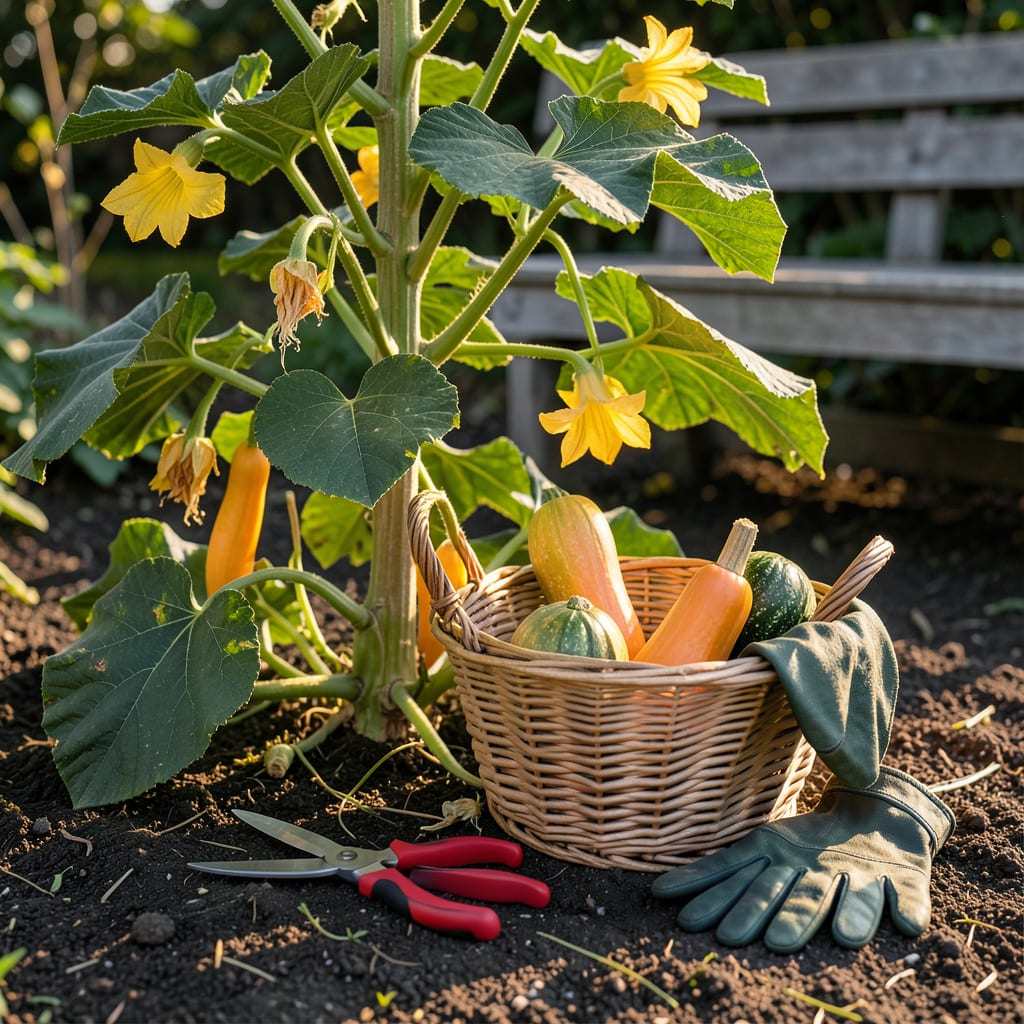
There’s nothing worse than cutting into a squash only to find it underripe—or worse, overgrown and seedy. That perfect harvest window is shorter than you think, and missing it can turn your garden’s star into a tough, flavorless flop.
I’ve wasted too many 🎃 squash learning the hard way, but the right signs—like a dull rind or a stem that snaps clean—are dead giveaways. Whether you’re growing zucchini or butternut, I’ll show you exactly what to look for (and what to avoid) so you never second-guess again.


Nothing beats the satisfaction of plucking a perfectly ripe squash from your garden. But timing is everything—pick too soon, and you’ll end up with bland, underdeveloped fruit; wait too long, and you risk tough, seedy disappointments. I’ve learned the hard way that squash sends clear signals when it’s ready.
The first clue is always the skin texture. For summer squash like zucchini or yellow crookneck, you want a glossy, tender rind that yields slightly to gentle pressure. Winter squash, on the other hand, develops a dull, hardened shell that resists fingernail punctures. This change happens as the fruit matures and sugars concentrate.
| Sign | Summer Squash | Winter Squash |
|---|---|---|
| Skin Texture | Glossy, tender, punctures easily | Dull, hard, resists fingernail |
| Stem Condition | Green, snaps cleanly | Brown, dry, corky |
| Color Depth | Bright, uniform (e.g., deep green) | Rich, matte (e.g., tan, orange) |
| Size Benchmark | 6–8 inches (zucchini) | 8–12 inches (butternut) |
| Thumbpress Test | Leaves slight dent | No dent, feels solid |
✅ Pro Tip: Harvest summer squash every 2–3 days to encourage more production!
The stem tells a story too. With summer squash, a fresh, green stem that snaps easily means peak ripeness. For winter varieties, wait until the stem turns brown and woody—this indicates the fruit has fully matured and detached from the vine’s nutrient flow. A moist stem is a red flag for immaturity.
Don’t overlook the thumbpress test, my go-to trick for winter squash. Press your thumbnail into the rind: if it leaves a mark, the squash needs more time. A mature butternut or acorn squash will feel as firm as a ripe melon. Summer squash, however, should yield slightly—think avocado-ripe, not rock-hard.
Size matters more than you think. Zucchini tastes best at 6–8 inches long; beyond that, it turns fibrous. Butternut squash, though, needs to reach 8–12 inches in length and feel heavy for its size. I once let a butternut grow to 18 inches—big mistake! It was stringy and bland. Stick to the goldilocks zone for flavor.
Color intensity is another dead giveaway. A ready-to-pick zucchini sports a deep, even green, while yellow squash should be vibrant, not pale. Winter squash like acorn or pumpkin shift from shiny to matte and richly hued. If your butternut still has green streaks, give it another week in the sun.
Finally, trust the “tap test” for winter squash. Give it a gentle knock—if it sounds hollow, it’s ready. This indicates the seeds and flesh have fully developed. Summer squash won’t pass this test (they’re too water-dense), so rely on the skin, stem, and size instead.
Remember, harvest timing varies by variety. Bush-type zucchini might be ready in 45 days, while a giant pumpkin could take 120 days. Always check your seed packet for the “days to maturity” range, then start testing a few days before that window closes.
If you’re still unsure, pick one test squash and slice it open. The seeds should be plump and white (summer) or mature and tan (winter). Underripe seeds are tiny and translucent. Overripe? The seeds turn dark and hard. Now you’re equipped to harvest with confidence—no more guesswork! 🪴
If you’ve ever wondered why your zucchini gets woody overnight or your butternut squash stays green, timing is everything. Summer squash like zucchini and yellow crookneck are best picked young—when they’re 6-8 inches long and their skins are still tender. Winter varieties, though, need patience.
Unlike their summer cousins, winter squash (acorn, butternut, pumpkin) must fully mature on the vine. Their rinds harden, stems turn corky and brown, and colors deepen. Picking too soon means poor storage and bland flavor. I’ve ruined a few batches by rushing—don’t make my mistake!
Here’s a trick I swear by: the thumbpress test. For summer squash, press your thumbnail into the skin. If it leaves a mark, it’s ready. For winter squash, your thumbnail shouldn’t puncture the rind at all. That toughness means it’ll store for months.
Size matters too. A butternut squash should weigh 2-3 pounds and measure 8-12 inches long. Acorn squash? Aim for 1-2 pounds with a dark green, not speckled, rind. I keep a small kitchen scale in my garden toolbox for quick checks.
Don’t forget the stem check. Winter squash stems should be dry and woody. If it’s still green and pliable, leave it be. Summer squash stems stay soft, but the fruit should snap off easily when twisted. No sawing required!
Pro tip: Harvest summer squash every 2-3 days in peak season—they grow fast! Winter squash can stay on the vine until the first light frost, which sweetens their flavor. Just bring them in before a hard freeze. Trust me, frost-kissed squash turns to mush.
If you’re still unsure, give the squash a gentle tap. A mature winter squash sounds hollow, like a drum. Summer squash will feel firm but not rock-hard. And remember: when in doubt, pick one and test it. Your plants will keep producing!
Timing your squash harvest can feel like a high-stakes game. I’ve seen gardeners rush to pick summer squash too soon, ending up with underdeveloped flavors and rubbery textures. On the flip side, leaving winter squash too long invites pests and rot. Both mistakes cost you that perfect balance of sweetness and tenderness.
Picking squash before it’s ready means missing out on its full potential. Underripe summer squash lacks depth and can taste watery, while immature winter squash won’t store well. Their skins stay thin and vulnerable to bruising. That glossy, tender skin might look appealing, but it’s a sign your squash needs more time to develop its natural sugars.
When winter squash stays on the vine too long, the real trouble starts. The rind becomes so hard it’s a chore to cut, and the flesh turns stringy. I once left a butternut squash until the first frost—big mistake! The flesh turned fibrous, and the seeds grew so large they dominated the cavity. Storage became impossible.
For summer squash like zucchini, overripeness means giant, seedy fruits that sap energy from the plant. I’ve watched yellow squash balloon to the size of baseball bats, stealing resources from newer fruits. The plant’s productivity plummets, and you’re left with a handful of tough, flavorless giants instead of a steady harvest.
The sweet spot? Check for dull, hardened skin on winter varieties and glossy, tender rinds on summer types. Use the thumbpress test: if your nail leaves a mark, it’s not ready. And always harvest with a sharp knife or pruners to avoid damaging the vine. Your patience will pay off in flavor and yield! 🪴
Zucchini is best harvested when it’s 6-8 inches long and the skin is still glossy. Use the fingernail test: if you can easily pierce the skin, it’s ready. Waiting too long makes it seedy and tough.
A dull, hardened rind on butternut squash means the sugars have fully developed and the flesh is mature. Shiny skin indicates it’s still growing. The change happens as starches convert to sugars during final ripening.
Press your thumbnail into the squash skin. If it leaves a mark on winter squash, it needs more time. For summer squash, a slight indentation means perfect ripeness. This tests skin hardness without damaging the fruit.
Only winter squash can handle light frost, but harvest before heavy freezes. Frost damages summer squash immediately. Cut with 1-2 inches of stem attached for better storage.
Keep summer squash in the fridge for up to a week. Store winter squash in a cool, dark place (50-55°F) for months. Never wash until ready to use to prevent mold growth.
