
Beautiful Plants For Your Interior
Beautiful Plants For Your Interior
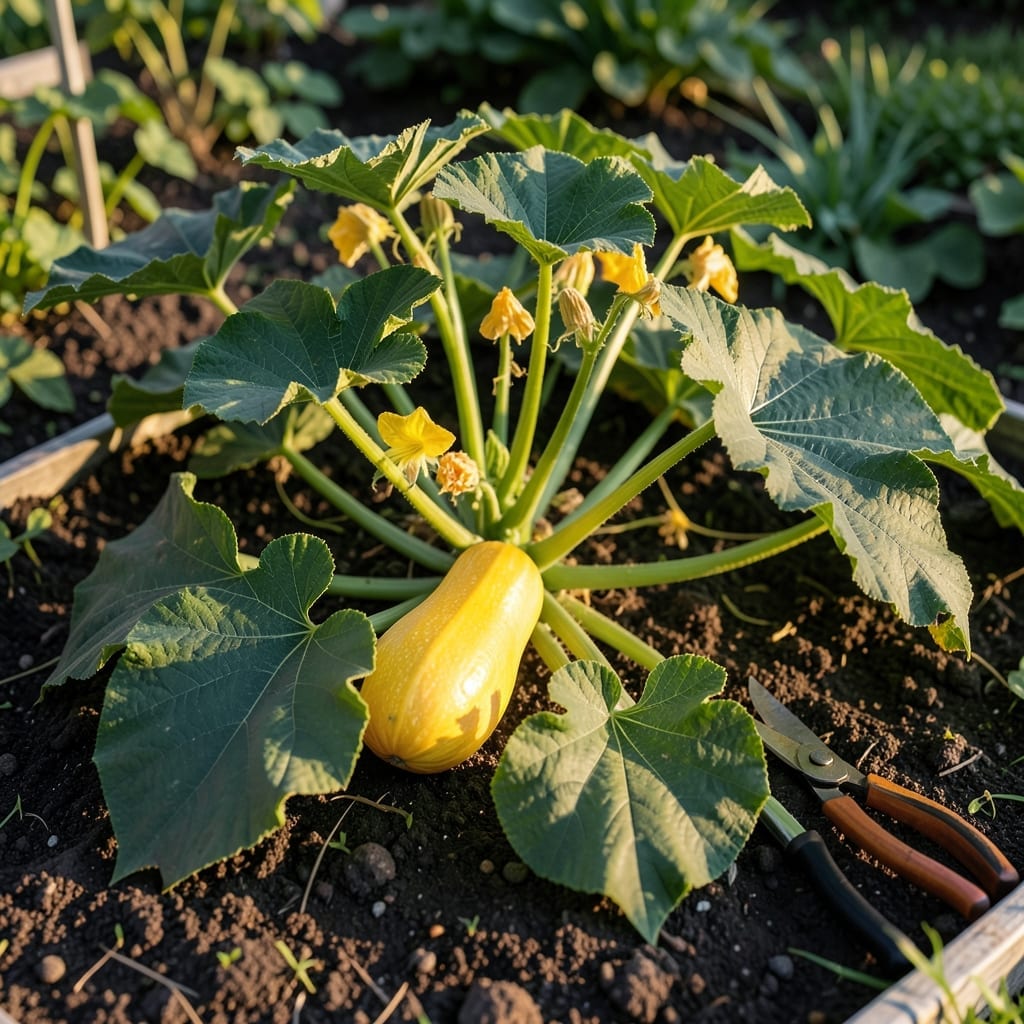
Harvesting Spaghetti Squash 🎃 at the perfect moment can feel like guessing game. One day it’s not ready, the next it might be past its prime. But there are clear signs to look for if you know what to watch.
I’ve learned the hard way that picking too early or too late affects both flavor and texture. The good news? Nature gives us obvious clues about ripeness if we pay attention.
Let me show you the most reliable visual and tactile cues to ensure your Spaghetti Squash is ready for harvest. You’ll never second-guess again.
Timing your Spaghetti Squash harvest perfectly means watching for visual changes in the fruit. I check my plants daily as harvest season approaches. The most obvious sign is the rind color shifting from pale green to a deep golden yellow or orange hue.
Another reliable indicator is the hardness of the squash. A ripe Spaghetti Squash will have a rind so hard that you can’t puncture it with your thumbnail. This is a simple but effective test I use every time.
| Sign | Description |
|---|---|
| Rind Color | Deep yellow or orange |
| Rind Hardness | Resists thumbnail pressure |
| Stem Condition | Dry and woody |
| Vine Appearance | Starts to die back |
| Weight | Feels heavy for size |
The stem condition is another telltale sign. When the stem connecting the squash to the vine turns dry and woody, it’s a clear indication that the fruit is mature. I also look for the vines to start dying back, which often coincides with ripeness.
Don’t overlook the weight of the squash. A ripe Spaghetti Squash will feel heavy for its size. This is because the interior has filled out with the characteristic stringy flesh that gives this variety its name.
I also use the sound test. Tap the squash lightly—if it sounds hollow, it’s likely ready. This works because the interior becomes less dense as the fruit matures and the moisture content changes.
The scratch test is another favorite. Gently scratch the rind with your fingernail. If the rind remains intact and doesn’t show a mark, it’s ready. If it leaves a visible scratch, give it more time on the vine.
Remember that size isn’t everything. While Spaghetti Squash typically grows to 8-12 inches long, a smaller squash can still be ripe if it shows all the other signs. I’ve harvested perfectly ripe squash that were slightly smaller than average.
Finally, consider the days to maturity. Most varieties take 90-100 days from planting to harvest. If your squash is approaching this timeline and showing other signs of ripeness, it’s probably ready to pick.
By combining these visual and tactile tests, you’ll never have to guess about your Spaghetti Squash ripeness again. I’ve found that using multiple indicators gives me the most reliable results. ☀️
Even experienced gardeners can misjudge Spaghetti Squash ripeness. The most common mistake I see is harvesting too early. A soft rind that punctures easily means the squash needs more time on the vine.
Another frequent error is waiting too long. An overripe squash develops stringy flesh and loses its sweet flavor. The rind may also become tough and bitter if left past its prime.
⚠️ Warning: Harvesting immature squash results in poor texture. Always check rind hardness and stem condition before picking.
I’ve learned to avoid relying on size alone. A large squash might still be unripe if the rind isn’t hard. Conversely, a smaller one showing all other signs might be perfectly ready.
Don’t ignore the stem condition. A green, moist stem indicates the squash is still drawing nutrients. Only when it turns dry and brown should you consider harvesting.
The vine appearance can be misleading. While dying vines often signal ripeness, some healthy vines still produce ripe fruit. Always combine this with other ripeness tests.
Finally, don’t skip the scratch test. This simple check takes seconds and prevents the disappointment of cutting into an unripe squash. I use it as my final confirmation before harvesting. 🌿