
Beautiful Plants For Your Interior
Beautiful Plants For Your Interior
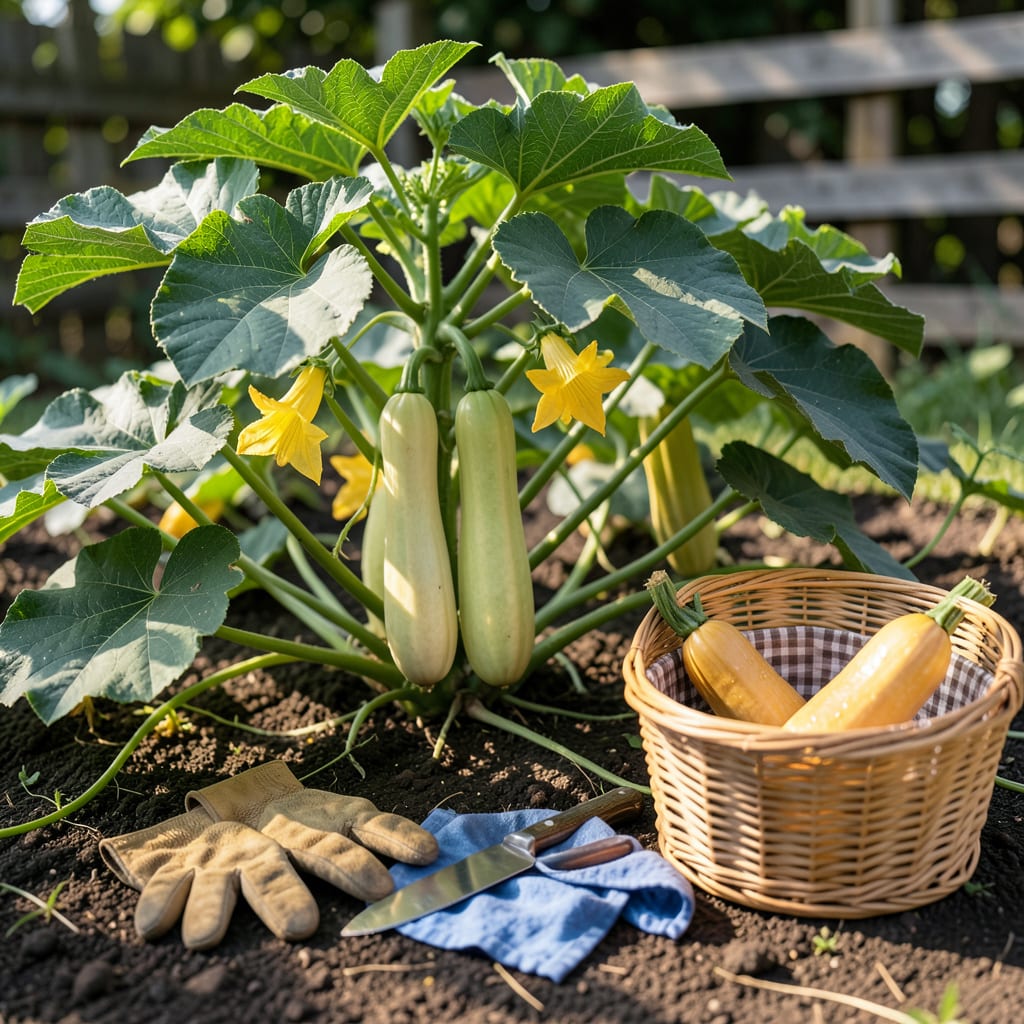
There’s nothing worse than cutting into a spaghetti squash only to find it underripe—or worse, mushy and overdone. That perfect moment between too early and too late makes all the difference in flavor and texture.
After growing 🎃 Spaghetti Squash for years, I’ve learned the foolproof signs to watch for—no guesswork required. Let me show you how to spot the exact right time to harvest, so your next meal is sweet, tender, and just right.


Timing your spaghetti squash harvest perfectly makes all the difference between a bland, watery disappointment and a sweet, nutty masterpiece. I’ve learned the hard way that rind hardness, stem condition, and color depth are your best clues—not just size or days on the vine.
Most gardeners miss the “nail test”, which is my go-to trick for checking ripeness without guesswork. A fully mature squash will have a deep golden-yellow rind that resists fingernail pressure, while the stem turns brown and corky. Let’s break down each sign so you’ll never second-guess your harvest again.
Press your fingernail into the rind. If it doesn’t puncture or leaves no mark, it’s ready. A soft rind means wait 5–7 more days and retest.
The stem should be dry, brown, and corky—not green or flexible. If it snaps cleanly when twisted, harvest time has arrived. Avoid cutting stems; twist them off to prevent rot.
A ripe squash is deep yellow or golden (no green streaks) and feels heavy for its size. Lift it—if it’s 4–8 lbs with a dull, not shiny rind, it’s peak ripeness.
⚠️ Pro Tip: Harvest before the first frost! Cold damages the rind and shortens storage life.
I always double-check with the “tap test”: Gently knock on the squash. A hollow sound (like tapping a watermelon) means it’s ripe, while a dull thud signals it needs more time. This works because the seeds and flesh inside mature and dry slightly as the squash ripens.
The size range for spaghetti squash is typically 4–8 pounds, but don’t rely on size alone. I’ve seen smaller squash that were perfectly ripe and larger ones that were still underripe. The rind hardness and stem dryness are far more reliable indicators.
Watch the vine leaves too—they often start yellowing or dying back as the squash matures. This isn’t always a sign of disease; it’s the plant’s way of telling you it’s redirecting energy to the fruit. If most leaves are crispy but the squash passes the nail test, it’s ready!
Avoid the mistake of harvesting after rain. Wet squash can develop mold or rot during storage. I always pick on a dry, sunny day and let the squash sit in the sun for an hour to dry the rind before bringing it inside. This simple step adds weeks to its shelf life.
If you’re growing multiple squash, prioritize harvesting the ones with the driest stems first. I’ve noticed that squash on the same vine can ripen at slightly different times, so check each one individually. Don’t assume they’ll all be ready at once!
Once you’ve harvested, resist the urge to wash the squash. Dirt and debris are fine—moisture is the enemy. Store it in a cool, dry place (like a basement or pantry) with good airflow. Properly cured spaghetti squash can last 2–3 months this way.
Still unsure? Leave it on the vine a few extra days. Spaghetti squash won’t ripen further after picking, so it’s better to err on the side of caution. I’ve never ruined a squash by leaving it too long, but I’ve definitely picked too early and regretted it!
Timing your spaghetti squash harvest can make or break your crop. Pick too soon, and you’ll get a watery, bland texture that lacks the signature nutty sweetness. Wait too long, and the flesh turns stringy or mushy, ruining that perfect “spaghetti” consistency.
I’ve seen gardeners rush to harvest when the rind turns yellow, only to find the inside underdeveloped. On the flip side, leaving squash on the vine past maturity invites rot, pests, or frost damage. The key is balancing visual cues with physical tests—like the nail test—to hit that sweet spot.
| Indicator | Ideal Harvest | Too Early | Too Late |
|---|---|---|---|
| Rind Color | Deep yellow 🟡 | Pale green/yellow 🟢 | Orange spots 🟠 |
| Rind Hardness | Fingernail won’t pierce ✅ | Easily punctured 🔴 | Too hard (over-cured) ⚠️ |
| Stem Condition | Brown & dry 🌾 | Green & moist 💧 | Cracked/rotting 🚫 |
| Storage Life | 3-6 months ⏰ | 1-2 weeks ⏳ | Prone to rot ❌ |
An underripe squash often feels light for its size—a dead giveaway. I once harvested a batch at 70 days instead of waiting the full 90 days, and the strands fell apart when cooked. Overripe squash, meanwhile, develops tough, fibrous flesh that’s unappetizing even after roasting.
Watch for vine dieback as another clue. When the leaves nearest the squash start yellowing, it’s a sign the plant is redirecting energy away from the fruit. But don’t rely on this alone—some varieties stay green until frost. Always pair it with the nail test and rind color check.
If you’re in a short-season area, prioritize harvesting before the first frost. A light frost can damage the rind, but a hard freeze will ruin the flesh. I’ve saved squash by covering vines with frost blankets when unexpected cold snaps hit. Better safe than sorry!
Pro tip: If you accidentally pick early, let the squash cure in the sun for 5-7 days to improve flavor. Overripe squash? Use it immediately—it won’t store well. When in doubt, err on the side of slightly late rather than early for the best texture.
Timing your spaghetti squash harvest perfectly means the difference between a sweet, nutty flavor and a bland, watery disappointment. I’ve learned the hard way that patience pays off—rushing the process often leads to underripe squash that lacks that signature “spaghetti” texture we all love.
The first clue is always the rind color. A mature squash transitions from pale green to a deep golden yellow, almost like a sunset glow. But color alone isn’t enough—you’ll also want to check the stem condition and perform the classic nail test (more on that below).
I always double-check with the nail test. Gently press your thumbnail into the rind—if it leaves a mark or punctures easily, the squash isn’t ready. A hard, unyielding surface is your green light to harvest. This test works because the rind toughens as sugars develop inside.
Don’t forget to look at the vine and leaves. As squash ripens, the foliage often yellows or dies back, especially near the fruit. This is nature’s way of telling you the plant is redirecting energy to the squash. If the vine still looks lush and green, your squash likely needs more time.
Finally, consider the size and weight. A mature spaghetti squash typically weighs 4–8 pounds and measures 8–12 inches long. If it’s smaller or feels lightweight for its size, it’s probably not fully developed. Trust me, waiting those extra few days is worth it for that perfect, fork-twirlable texture! 🎃
Most varieties reach maturity in 80–100 days after planting. Early varieties may be ready in 70 days, while larger types can take up to 110 days. Always check ripeness signs rather than relying solely on days.
No, unlike tomatoes, spaghetti squash won’t ripen further after picking. It must fully mature on the vine for proper texture and sweetness. If harvested early, it’ll stay bland and watery.
Store in a cool, dry place (55–65°F) with good airflow. Avoid refrigeration unless cut. Whole squash lasts 2–3 months if cured first (keep in sunlight for 7–10 days post-harvest).
Moisture is the likely culprit. Always harvest on dry days and avoid washing before storage. A damp rind invites mold. If the stem was cut (not twisted), bacteria may have entered.
