
Beautiful Plants For Your Interior
Beautiful Plants For Your Interior
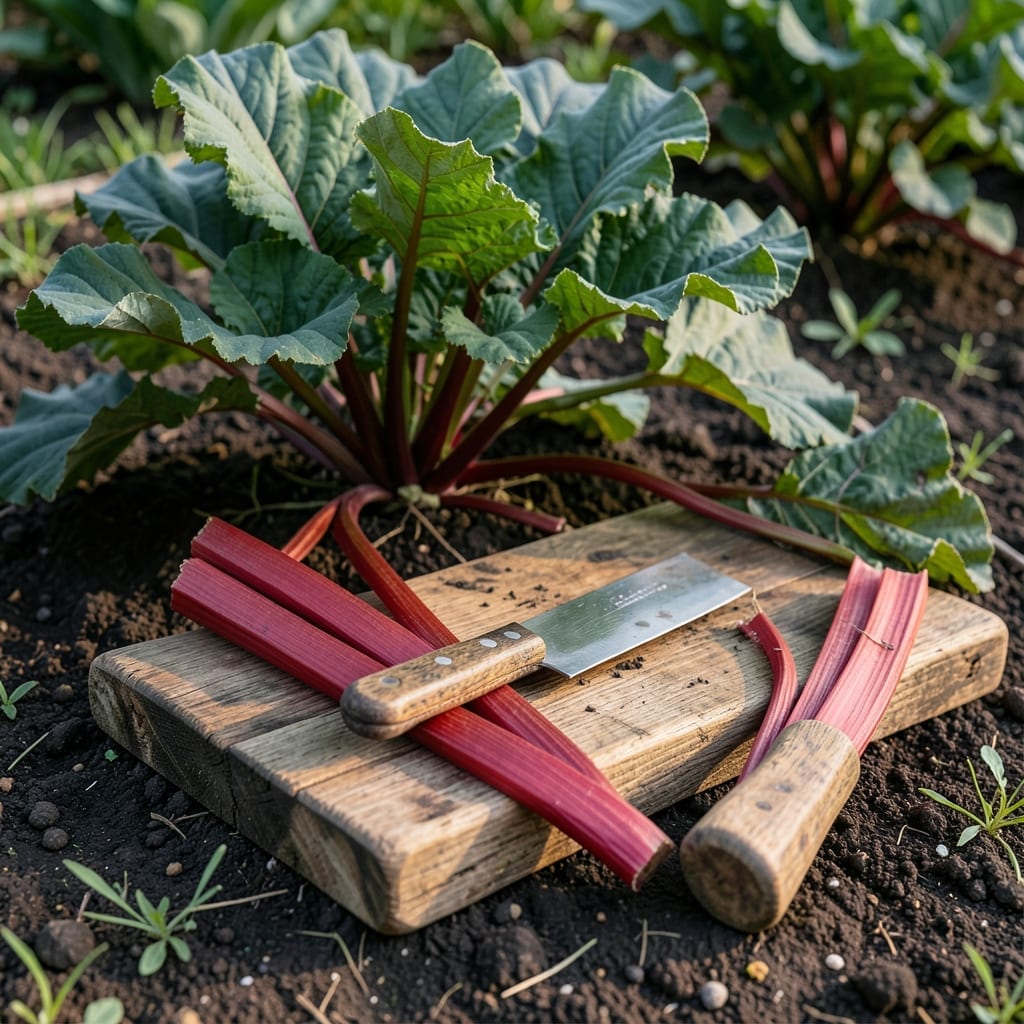
Picking rhubarb at the wrong time can leave you with bitter, stringy stalks—or worse, a damaged plant. The 🌱 Rhubarb season is short, and knowing the perfect moment makes all the difference.
I’ve learned that waiting for the right visual cues ensures sweet, tender stems every time. It’s not just about size, but color and texture too.
Let me share the key signs to look for so you can harvest at the peak of flavor and keep your patch thriving for years.


Timing your rhubarb harvest perfectly starts with observing the stalk length. I look for stalks that are 10-15 inches long, as shorter ones often lack sweetness and tenderness.
Thickness matters too—1-1.5 inches in diameter signals maturity. Thin, spindly stalks are a clear sign your rhubarb plant isn’t ready yet. 🌱
| Harvest Sign | What to Look For |
| Stalk Length | 10-15 inches long |
| Stalk Thickness | 1-1.5 inches in diameter |
| Color | Deep red or vibrant green |
| Texture | Firm and crisp |
| Leaves | Fully unfurled |
Color is another reliable indicator. Depending on the rhubarb variety, look for deep red or rich green hues. Pale or dull colors often mean the stalks aren’t ripe.
The texture of the stalk should feel firm and crisp when gently squeezed. If it bends easily or feels soft, it’s not ready for picking.
Fully unfurled leaves are a great sign your rhubarb is mature. If the leaves are still tightly rolled, give the plant more time to develop. ✂️
Seasonal timing plays a role too. In most regions, rhubarb is ready from spring to early summer, typically April through June. Early varieties may be ready sooner.
Remember that plant maturity affects harvest time. A newly planted rhubarb crown needs 2-3 years to establish before you should harvest. Patience pays off with bigger yields.
If you’re unsure, do a snap test. Gently bend a stalk—if it snaps cleanly, it’s ready. If it just bends, wait a few more days for optimal ripeness.
Finally, always harvest in the morning when stalks are most hydrated. This ensures the best flavor and texture for your rhubarb. 🌿
Harvesting rhubarb too early is a common mistake. I’ve seen gardeners get excited and pick first-year plants, which stunts their growth. Always wait until the second or third year for a full harvest.
Another error is taking too many stalks at once. Never remove more than 1/3 of the stalks from a single plant at a time. This ensures the rhubarb plant stays healthy and productive.
Warning: Harvesting too many stalks at once can weaken your rhubarb plant and reduce future yields. Always leave at least 2/3 of the stalks intact.
Using dull tools can damage the plant. Instead of cutting, I recommend the twist-and-pull method. Grasp the stalk near the base and gently twist while pulling outward.
Waiting too long to harvest can lead to woody stalks. Once rhubarb stalks become thick and fibrous, they lose their tenderness. Check your plants every few days during peak season.
Ignoring seed stalks is another mistake. These appear as tall, thin stems with flower buds. Remove them immediately to direct the plant’s energy toward producing edible stalks.
Harvesting in the heat of the day can stress the plant. I always pick in the cool morning when the stalks are crisp and hydrated. This keeps the plant healthy and the stalks tasty. ✂️