
Beautiful Plants For Your Interior
Beautiful Plants For Your Interior
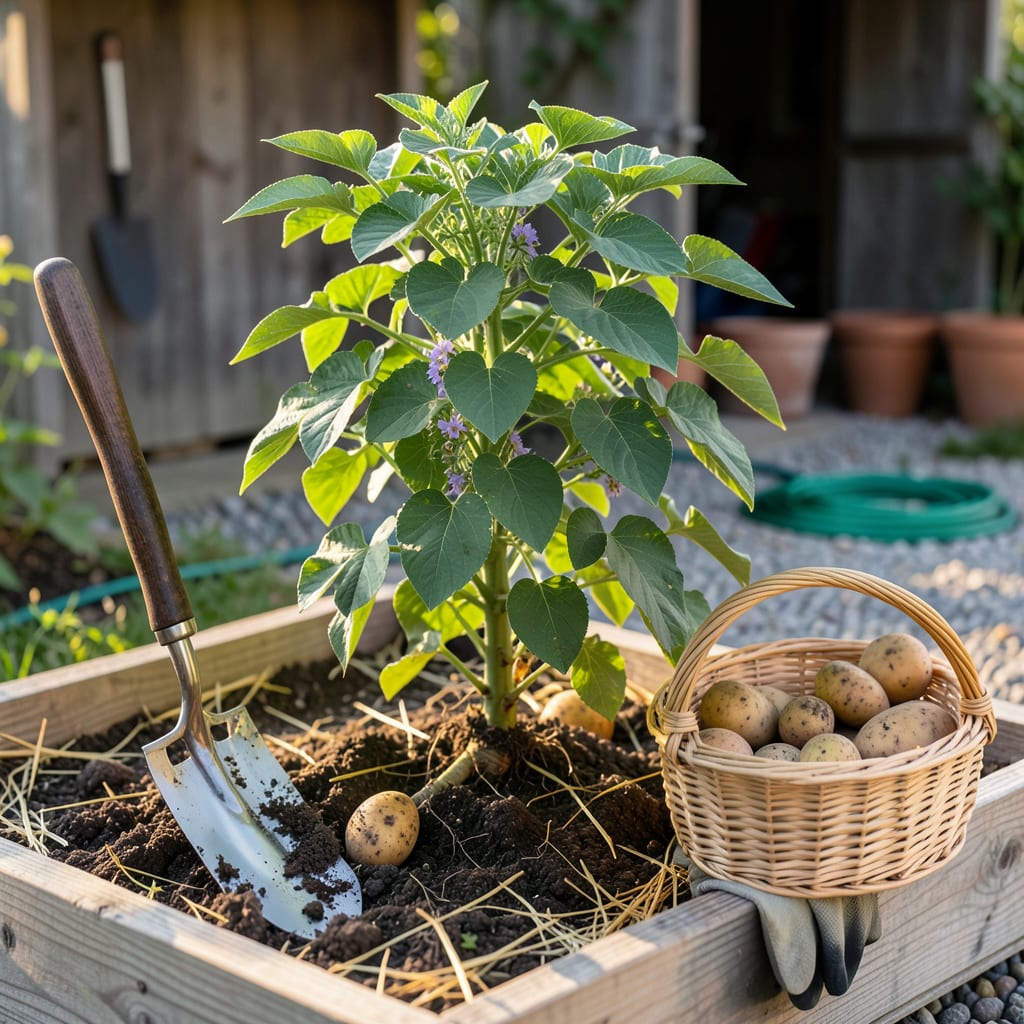
There’s nothing quite like the thrill of digging up your first homegrown 🥔 potatoes—until you pull up a handful of pea-sized spuds and realize you jumped the gun. Timing your harvest perfectly means the difference between a bountiful crop and a disappointing haul.
Luckily, potatoes send clear signals when they’re ready, and I’ll show you exactly what to look for. From flower dieback to the all-important skin set test, these foolproof signs take the guesswork out of harvesting. No more second-guessing—just perfect potatoes, every time.


When I first started growing potatoes, I’d nervously dig around the plants every few days, hoping for a bountiful harvest. The truth is, potatoes send clear signals when they’re ready—if you know what to look for. The three most reliable signs are flower dieback, skin set, and foliage yellowing. 🌱
Early varieties like ‘Yukon Gold’ or ‘Red Norland’ mature in as little as 60-70 days, while late-season types like ‘Russet’ can take 120 days. But don’t rely on days alone—visual cues are your best guide. Let’s break down what to watch for in your garden.
After blooms fade and stems turn brown/yellow, tubers stop growing. This is nature’s “all clear” for digging.
Gently rub a test potato’s skin. If it stays intact, it’s ready. If it peels, wait 1-2 more weeks.
When 90% of leaves turn yellow and wilt, energy has shifted from growth to tuber maturation. Time to harvest!
The skin set test is my favorite trick for beginners. Here’s how I do it: Carefully dig up one test potato from the edge of the plant. Rub its skin with your thumb. If it sloughs off, the tubers need more time. If it stays firm, the rest are ready too. ✅
For new potatoes (those tender, small spuds), you can harvest as early as 2-3 weeks after flowering—just gently feel around the plant’s base for golf-ball-sized tubers. But for storage potatoes, wait until the plant’s foliage fully collapses. This ensures thicker skins and longer shelf life. 🪴
Weather plays a role too. If heavy rain is forecasted, I harvest early to prevent rot. Conversely, in dry spells, I might wait an extra week for tubers to size up. Always check the soil moisture—potatoes in soggy ground can crack or spoil.
Pro tip: Use a garden fork (not a shovel) to harvest. Start 8-12 inches away from the plant’s stem to avoid piercing tubers. Lift gently, then sift through the soil with your hands to find hidden spuds. Damaged potatoes won’t store well, so handle them like eggs! 🥔
If you’re growing early varieties like ‘Irish Cobbler’, expect harvest in 50-60 days. Late varieties like ‘Kennebec’ need 110-135 days. Mark your planting date on a calendar, then start checking for signs 10 days before the expected maturity date.
After harvesting, let potatoes cure in a dark, humid spot (like a cardboard box with a damp towel) for 10-14 days. This toughens their skins for storage. Brush off excess dirt—but don’t wash them until ready to use! Stored properly in a cool, dark place, they’ll last 2-3 months. ☀️
Remember, potato plants are forgiving. Even if you miss the “perfect” harvest window by a week, you’ll still get a decent crop. The key is observing your plants daily once they start flowering. Trust the signs, not just the calendar, and you’ll pull up a bucketful of homegrown success! 🌿
If you’re growing potatoes, you’ll quickly realize not all spuds are created equal. New potatoes (those tender, thin-skinned gems) can be harvested as early as 60 days, while storage potatoes need the full 90-120 days to develop thick skins for long-term keeping.
The secret? Timing and tuber size. New potatoes are ready when they’re 1-2 inches wide—perfect for immediate eating. Storage potatoes, however, should reach 2-3 inches with firm, set skins that don’t rub off when gently scrubbed.
| Type | Harvest Time | Size | Skin Thickness | Best Use |
|---|---|---|---|---|
| New Potatoes | 60-70 days | 1-2 inches | Thin, rubs off | Eat immediately |
| Storage Potatoes | 90-120 days | 2-3 inches | Thick, set | Store for months |
For new potatoes, start checking 2 weeks after flowering. Gently dig around the plant’s edges with your hands—no tools needed—to avoid damaging roots. If the spuds are small but firm, they’re ready. For storage potatoes, wait until foliage dies back completely.
Here’s my foolproof skin set test: Rub a dug potato’s skin with your thumb. If it stays intact, it’s ready for storage. If it peels, give it another week in the ground. This simple trick prevents bruising and extends shelf life.
Early varieties like ‘Yukon Gold’ or ‘Red Norland’ mature faster (70-90 days), while late-season types like ‘Russet’ or ‘Kennebec’ need the full 120 days. Always check your seed packet for days-to-maturity estimates.
Pro tip: If frost threatens before your potatoes mature, cut the foliage 1-2 weeks early. This forces the plant to focus energy on tuber development. Then, dig them up after 10 days to let skins toughen. This trick saves your crop from early cold snaps! 🌱
After harvesting, let potatoes cure in a dark, humid spot (60-65°F) for 10-14 days. This heals minor cuts and thickens skins further. Store cured potatoes in breathable bags (like burlap) at 45-50°F for months of freshness. 🪴
I’ve seen too many gardeners lose their potato harvest to avoidable mistakes. The biggest culprit? Harvesting too early—when the skin rubs off like wet paper, your spuds aren’t ready. Another classic error is waiting too long, which invites pests or rot. Timing isn’t just guesswork; it’s science.
Then there’s the rough digging problem. Stabbing your garden fork straight into the soil can pierce tubers, turning your harvest into a wounded mess. Instead, slide the fork 8–10 inches away from the plant’s base and lift gently. Think of it like archaeological excavation—precision matters!
Don’t overlook the post-harvest cure. I once rushed potatoes straight into storage—big mistake. Curing (keeping them in a dark, humid spot for 10–14 days) toughens their skin for storage. Skip this, and they’ll shrivel or sprout prematurely in your pantry.
Weather plays a sneaky role too. If frost threatens, harvest immediately—even if foliage is green. Frozen potatoes turn mushy and sweet, ruining their texture. Conversely, drought-stressed plants may drop leaves early; don’t confuse this with maturity. Always do the skin test (rub a tuber—if it stays intact, it’s ready).
Lastly, size isn’t everything. While 1–3 inch tubers are ideal, some varieties (like fingerlings) stay small. Focus on skin set and foliage dieback, not just diameter. And if you’re growing new potatoes, harvest when plants flower—no need to wait for full maturity. Happy digging!
Harvesting too soon means thin skins that peel easily and underdeveloped flavor. The tubers will also be much smaller, often less than 1 inch in diameter. Wait until the skin stays intact when rubbed for best results.
No, frost damages potatoes by converting their starches to sugars, making them mushy when cooked. Harvest immediately if frost is forecasted, even if foliage is still green. Cut the tops and dig tubers after 10 days to let skins toughen.
For storage, aim for 2-3 inch tubers. For “new potatoes,” 1-2 inches is perfect. Gently feel around the plant’s base – if they’re golf-ball sized or larger, they’re ready. Size varies by variety, so check seed packet details.
Use a garden fork, not a shovel, to avoid piercing tubers. Insert it 8-12 inches from the plant’s stem and lift gently. For small gardens, hand digging works well for minimal damage.
After foliage dies back, you have about 2 weeks before quality declines. Leaving them longer risks rot, pest damage, or freezing. In warm climates, they may sprout new growth if left too long.
