
Beautiful Plants For Your Interior
Beautiful Plants For Your Interior
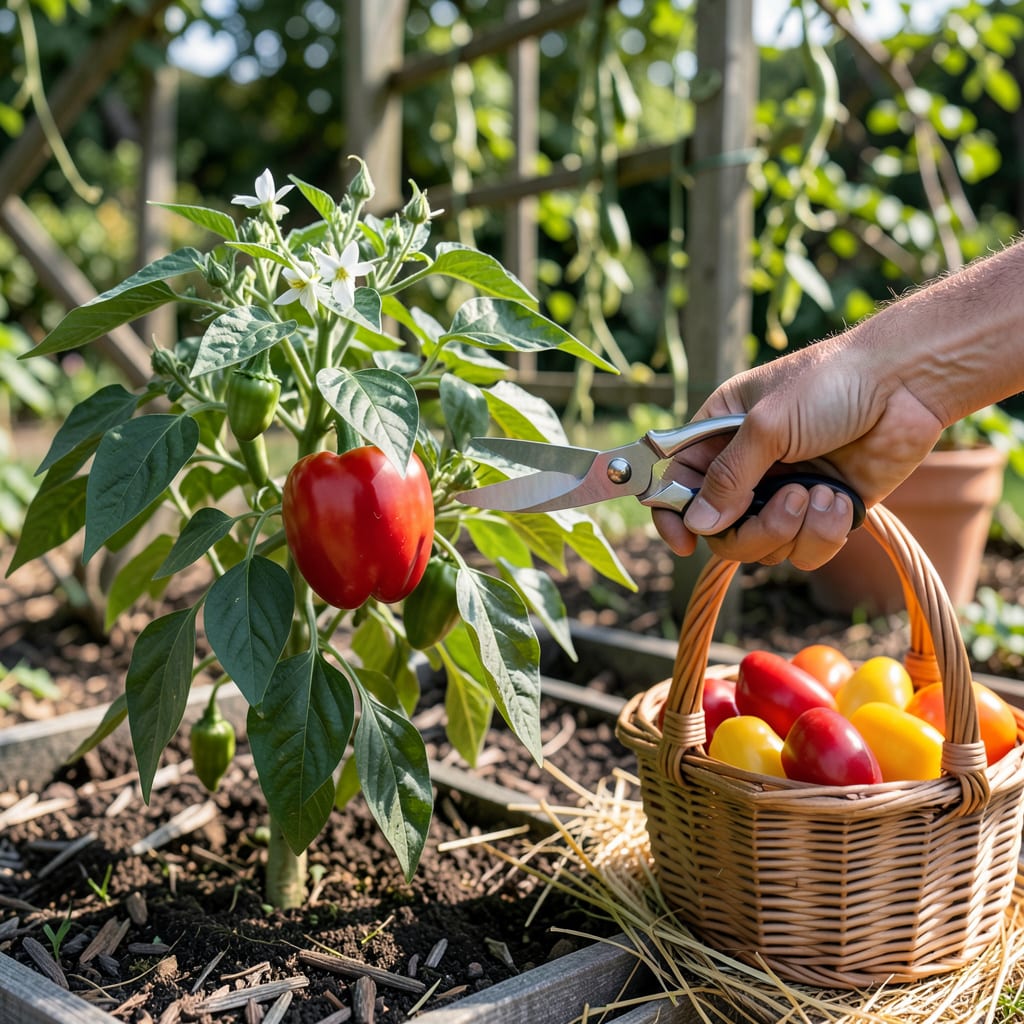
There’s nothing quite like the satisfaction of plucking a perfectly ripe pepper from your garden—only to realize it’s not quite ready. That split-second disappointment when you bite into something bland or underdeveloped? We’ve all been there.
Timing your harvest isn’t just about patience—it’s about knowing what to look for. From subtle color shifts to that just-right firmness, I’ll show you the foolproof signs that mean your 🌶️ peppers are at their flavor peak. No more guessing games, just juicy, vibrant results every time.


When I first started growing peppers, I’d stare at my plants wondering, “Is it ready yet?” The truth is, peppers don’t just shout “Pick me!”—they whisper it through subtle changes. Let’s decode those whispers so you never harvest too early or too late again.
Color is your first clue, but it’s not the only one. A fully ripe pepper will have a deep, uniform hue—whether that’s red, yellow, or orange. But did you know that size and texture matter just as much? We’ll break down what to look for in every variety.
| Variety | Ready Color | Size at Maturity | Texture Cue |
|---|---|---|---|
| Bell Pepper | Red, Yellow, or Orange | 3-4 inches long | Firm with slight give |
| Jalapeño | Dark Green or Red | 2-3 inches long | Glossy, smooth skin |
| Habanero | Bright Orange or Red | 1-2 inches long | Wrinkled when fully ripe |
| Banana Pepper | Pale Yellow or Red | 4-6 inches long | Slightly curved shape |
*Tip: Always check the stem attachment—ripe peppers separate easily with a gentle twist.
I’ve found that morning harvesting gives the best results. The peppers are crisp from cooler night temperatures, and their flavors are more concentrated. If you’re growing hot peppers, remember that color change often means increased heat—red jalapeños pack more punch than green ones!
Here’s a trick I swear by: the “fingernail test”. Gently press your fingernail into the pepper’s skin. If it leaves a slight indentation that bounces back, it’s ready. If the skin resists or cracks, give it more time. This works especially well for thick-skinned varieties like bell peppers.
Don’t be fooled by partial color changes. Many peppers develop stripes or spots as they ripen—this is normal! But for full flavor, wait until the color is uniform. I once harvested a half-red bell pepper thinking it was ready, only to find it lacked sweetness. Lesson learned.
Size matters more than you think. A mature pepper will reach its expected length and width for the variety. Compare your peppers to seed packet descriptions or variety guides. If they’re undersized, they likely need more time on the plant to develop their full flavor profile.
Watch the stem connection too. When peppers are ready, their stems become slightly woody and will snap cleanly when bent. If the stem bends without breaking or feels rubbery, your pepper isn’t quite there yet. This is particularly helpful for cluster-growing varieties like Thai peppers.
Finally, consider the “shine factor”. Ripe peppers often develop a glossy sheen, especially in hot weather. This isn’t just pretty—it indicates the pepper has reached its sugar and oil content peak. Dull-looking peppers usually need more sun and time to mature fully.
Remember, these signs work together. A pepper might have the right color but wrong texture, or perfect size but dull color. When all three factors—color, size, and texture—align, you’ve hit the harvest sweet spot. Now grab those pruners and enjoy your perfectly timed bounty! 🌿
While color gives you the first hint, I’ve learned that touch and texture reveal the true story of ripeness. A pepper might look ready but still feel underdeveloped. Let me show you the hands-on techniques I use to test for that perfect, just-right firmness every time.
Start with the “gentle squeeze test”. Hold the pepper between your thumb and forefinger, applying light pressure. A ripe pepper will give slightly but still feel firm—not rock-hard like an unripe one, nor mushy like an overripe specimen. Think of it like testing an avocado’s ripeness.
Avoid picking peppers when:
Pro Tip: Always use clean pruners or scissors to avoid plant damage.
For thin-skinned varieties like Thai peppers or serranos, try the “fingernail test”. Gently press your thumbnail into the pepper’s skin. If it leaves a temporary indentation that springs back, it’s ripe. If the skin cracks or resists completely, it needs more time.
The stem attachment tells a surprising story. Ripe peppers will have stems that snap cleanly when bent slightly. If the stem bends like rubber or requires force to break, your pepper isn’t ready. This is especially useful for cluster-growing varieties where color can be misleading.
Pay attention to the “gloss factor” too. Ripe peppers develop a natural sheen from their oils and sugars. While some varieties are naturally matte, most will show increased shine when ready. I once harvested an entire batch of jalapeños too early because I ignored this subtle clue.
Weight can be deceiving, but density matters. A ripe pepper will feel heavy for its size, indicating full water and sugar content. Compare similar-sized peppers—if one feels significantly lighter, it likely needs more time. This works particularly well for bell peppers and banana peppers.
Remember, morning harvesting gives you the best texture. Peppers are crispest after cool nights, before the day’s heat softens them. I always bring a basket and my pruners out with my first coffee—it’s become my favorite gardening ritual that ensures perfect texture every time. 🌿
Every pepper variety has its own perfect harvest window, and knowing these timelines can make all the difference. I’ve learned that what works for sweet bell peppers won’t apply to fiery habaneros—each has unique ripening cues and flavor development stages.
Most peppers reach maturity between 60-90 days from transplanting, but this varies dramatically. Bell peppers often take the longest at 75-90 days, while jalapeños might be ready in 60-70 days. Hotter peppers like habaneros frequently need the full 90 days to develop their signature heat and complex flavors.
| Variety | Days to Maturity | Best Harvest Stage | Flavor at Peak |
|---|---|---|---|
| Bell Pepper | 75-90 days | Full color change | Sweetest when fully red/yellow |
| Jalapeño | 60-70 days | Dark green or red | Hotter when red |
| Habanero | 90-100 days | Bright orange/red | Maximum heat when fully ripe |
| Banana Pepper | 65-75 days | Pale yellow or red | Mild tang when yellow |
*Note: Hotter climates may accelerate ripening by 5-7 days.
I’ve noticed that color stages dramatically affect flavor. Green jalapeños have a vegetal, grassy taste, while red ones develop fruity undertones with more heat. For bell peppers, the color change from green to red isn’t just visual—it signals a sugar content increase of up to 30%!
Here’s a pro tip: Sample test one pepper when you think they’re ready. Cut it open to check seed color—white seeds mean it needs more time, while tan or brown seeds indicate full ripeness. This works especially well for hot peppers where external color might be misleading.
Remember that early harvesting gives you milder flavors and longer storage life, while late harvesting maximizes sweetness in bells or heat in chiles. I like to stagger my harvests—picking some green jalapeños for milder dishes and leaving others to redden for spicier recipes. This way, I get the best of both worlds from each plant. 🌿
Most pepper varieties reach maturity between 60-90 days after transplanting. Sweet bells often need the full 75-90 days, while jalapeños may be ready in 60-70 days. Hotter climates can speed this up by about a week.
Yes, but flavor will differ dramatically. Green peppers are milder and less sweet than fully colored ones. For example, green jalapeños taste grassier, while red ones develop fruity notes and more heat. If you prefer milder taste, green harvesting works well.
Early morning is ideal, right after dew dries but before temperatures rise. Peppers are crispest then, with concentrated flavors. Avoid harvesting during midday heat or when plants are wet—this stresses plants and can spread disease.
Striped patterns are completely normal during ripening! Many varieties show this transition phase as chlorophyll breaks down. Wait for uniform color for full flavor. I once harvested striped peppers too early—they lacked sweetness and proper texture.
Watch for wrinkled skin, soft spots, or dull color. Overripe peppers may also feel lightweight for their size. The stem often becomes very dry and brittle. When in doubt, do the fingernail test—if skin cracks easily, it’s past prime.
