
Beautiful Plants For Your Interior
Beautiful Plants For Your Interior
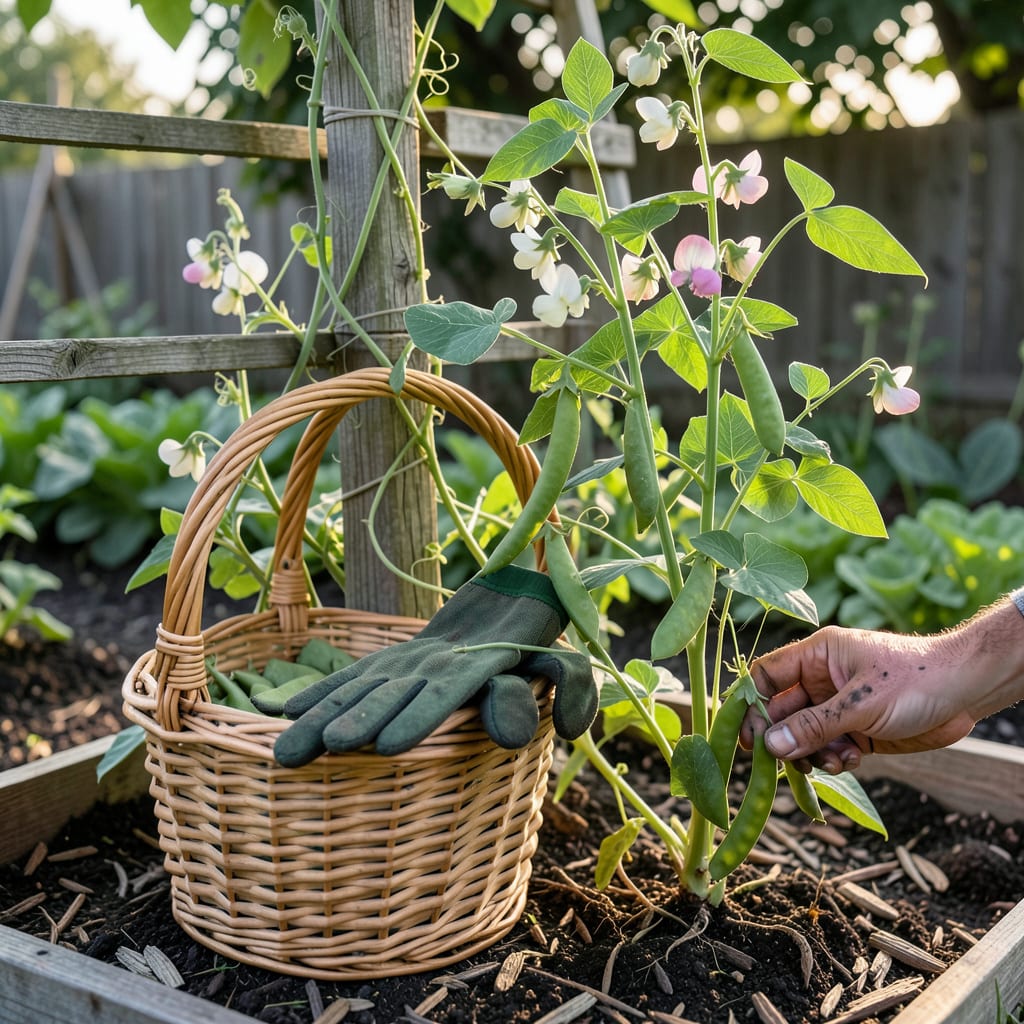
There’s nothing quite like the crunch of a freshly picked pea—sweet, juicy, and bursting with flavor. But timing is everything. Pick too soon, and you’ll get tiny, underdeveloped peas; wait too long, and they turn starchy and tough.
After years of testing (and a few disappointments), I’ve nailed down the foolproof signs to tell when your 🌱 peas are at their peak. No guesswork—just perfect pods every time. Here’s exactly what to look for before you pluck.


When I first started growing peas, I’d stare at those green pods wondering, “Are they ready yet?” Now I know it’s all about three key tests: color, texture, and the famous snap. Let me walk you through exactly what to look for—no more guessing games!
Peas don’t ripen all at once, so I check my plants every 1-2 days once I see the first pods forming. The magic window is usually 60-70 days after planting, but varieties like ‘Sugar Snap’ can be ready in as few as 50 days. Here’s how to spot perfection. 🌱
My favorite trick? The morning harvest. Peas picked before 10 AM are sweeter because they haven’t been baked by the sun. I use two hands—one to steady the vine, one to pinch the pod—to prevent damaging the plant. For snow peas, harvest when pods are 2-3 inches long and you can see pea shadows inside.
Watch for overripe warnings: pods turning pale, developing tough strings, or starting to split. These mean your peas are past their prime and becoming starchy. I’ve found that ‘Lincoln’ shelling peas need more time than ‘Oregon Sugar Pod’ snow peas, so adjust your expectations based on the variety.
For shelling peas, wait until pods are round and firm—they’ll feel surprisingly heavy for their size. With snap peas, the entire pod should be tender enough to eat raw. I always taste-test one pod from each plant to confirm sweetness before harvesting the rest. Trust me, your taste buds will thank you!
Remember that peas ripen from the bottom up, so start checking lower pods first. Once harvesting begins, I pick every other day to keep production going. Fresh peas keep in the fridge for 5-7 days unwashed, or you can blanch and freeze them for months of garden-fresh flavor.
If you’re growing bush peas, expect a shorter harvest window than pole varieties. I’ve noticed that purple-podded peas (like ‘Blauwschokker’) turn green when cooked, so don’t let their dark hue fool you—they’re ready when they pass the snap test too!
Pro tip: Keep a harvest journal noting which varieties mature fastest in your garden. Next season, you’ll know exactly when to start checking for those perfect pods. Now grab your basket and get picking—those sweet peas won’t wait forever! 🌿
Timing your pea harvest is all about pod plumpness and color intensity. I check my plants daily once I spot the first bright green pods forming. The sweet spot is when pods feel firm but still snap cleanly when bent—this tells me the peas inside are juicy, not starchy.
Don’t rely on size alone! While most peas are ready in 60-70 days, I’ve found that sugar snap peas often mature faster than shelling varieties. A quick taste test (pop open one pod) confirms sweetness. If the peas taste crisp and fresh, it’s go time for harvesting the whole batch.
Here’s my pro trick: Harvest in the morning when pods are naturally crisp from cooler temps. I use two hands—one to hold the vine, one to pinch the pod—to avoid tearing stems. For snow peas, pick when pods are still flat but the peas inside are visible as tiny bumps.
Watch for overmature signs: dull color, tough texture, or pods splitting open. These mean your peas are past their prime and turning starchy. I mark my calendar for 50-70 days after planting, then start checking daily. Varieties like ‘Sugar Sprint’ mature faster than ‘Lincoln’ shelling peas.
If you’re growing shelling peas, wait until pods are visibly rounded—they’ll feel heavy for their size. For snap peas, the pod itself should be tender enough to eat whole. I always sample one pod from each plant to confirm sweetness before harvesting the rest.
Remember: Peas ripen sequentially, so check lower pods first. Once harvesting begins, I pick every 1-2 days to encourage more production. Store fresh peas in the fridge (unwashed) for up to 5 days, or blanch and freeze for longer storage. Happy picking! 🌱
Timing your pea harvest isn’t just about flavor—it’s about texture and plant productivity. I’ve learned the hard way that picking too early means missing out on that sweet, buttery taste peas are famous for. Tiny, underdeveloped peas lack the sugar content that makes them so delicious.
On the flip side, waiting too long is even worse. Overmature peas become starchy and mealy, losing their crisp snap. I once left a batch of ‘Green Arrow’ shelling peas for an extra week, and they went from perfect to practically inedible. The pods turned yellowish and tough as leather.
Here’s what I do when I’ve mistimed my harvest: For overmature peas, I shell them and use the dried peas for seed saving or compost. If they’re just slightly past prime, I blanch and freeze them immediately to preserve what sweetness remains. For underripe peas, I mark the plant and check again in 2-3 days.
One trick I swear by: Daily inspections once pods start forming. Peas can go from perfect to overripe in just 48 hours during warm weather. I prioritize harvesting lower pods first since they mature earliest. This also encourages the plant to redirect energy to upper pods for a longer harvest window.
Remember that sugar content decreases as peas mature. That’s why I always harvest in the cool morning hours when sugar concentration is highest. If you’ve accidentally picked early, don’t despair—just give those plants a few more days and they’ll reward you with better-developed peas next time. 🌱
Once pods start forming, check them every 1-2 days. Peas mature quickly, especially in warm weather.
I recommend morning inspections since that’s when pods are crispest. Start with lower pods—they ripen first.
This happens when they’re left too long on the vine. Overmature peas convert sugars to starch.
Harvest when pods are bright green and snap crisply. Morning picking preserves maximum sweetness.
Yellowing pods are past their prime. The peas inside will be tough and mealy.
Use overripe peas for seed saving or compost instead. For eating, stick to vibrant green pods.
Early morning (before 10 AM) is ideal. Pods are crispest and sugar content is highest.
Avoid harvesting in afternoon heat when pods may be limp. Use two hands to prevent vine damage.
Snow peas are ready when pods are 2-3 inches long and flat with visible pea shadows.
Shelling peas should have bulging pods that feel heavy for their size. Always taste-test one!
