
Beautiful Plants For Your Interior
Beautiful Plants For Your Interior
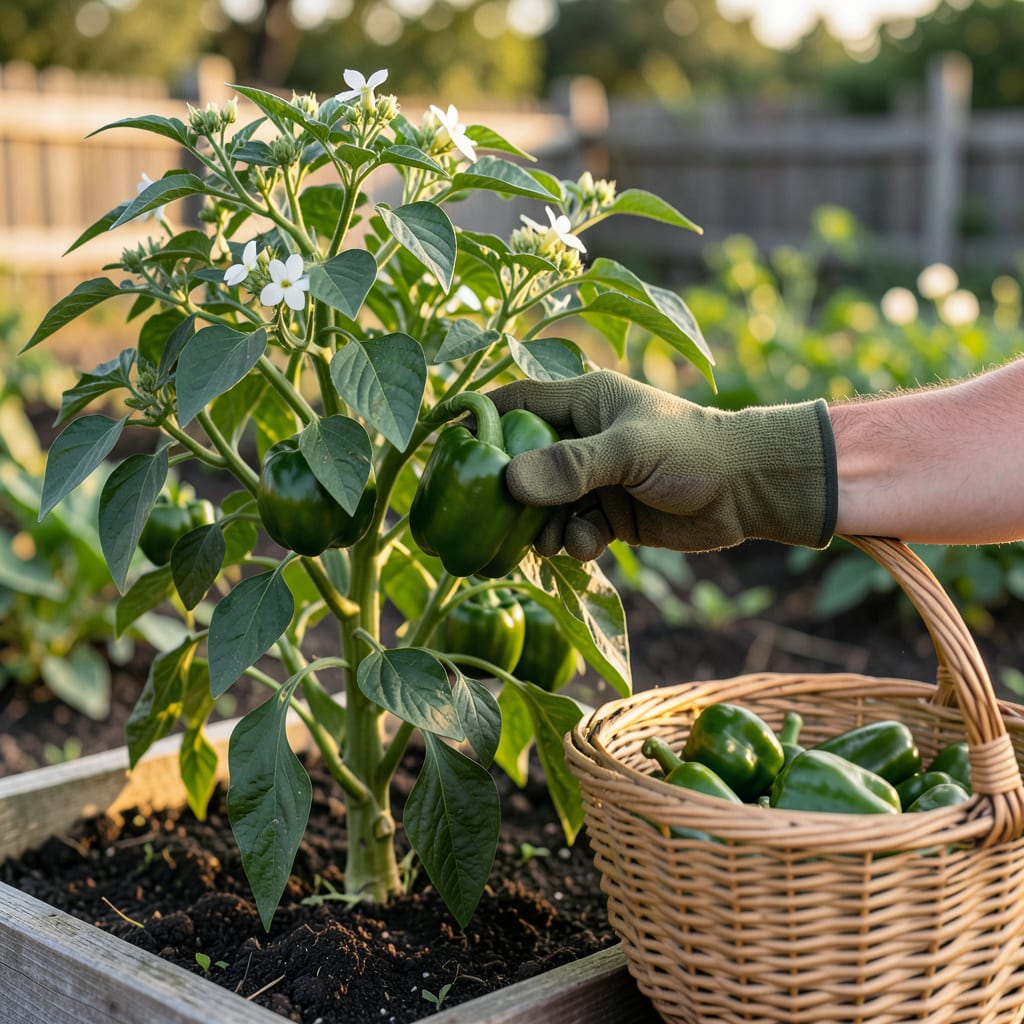
There’s nothing worse than waiting months for your 🌶️ Green Peppers to ripen—only to pick them too early (or too late) and miss that perfect crisp, sweet flavor. I’ve been there, staring at my plants wondering, Are they ready yet?
The difference between a lackluster pepper and one bursting with flavor often comes down to three simple cues: size, color, and firmness. Skip the guesswork—I’ll show you exactly what to look for so you harvest at peak ripeness, every time.


After months of nurturing your green pepper plants, the moment of truth arrives: determining when to pick. I’ve learned that visual cues are your best guide—far more reliable than just counting days. The three signs I always check are size, color, and skin texture. 🌱
First, examine the size and shape. Most green peppers reach their full mature size before they’re ready. For bell peppers, this is typically 3-4 inches long and 3 inches wide. Different varieties have different ideal sizes, so always check your seed packet for specifics.
Your pepper should match its expected mature dimensions. Bell peppers become blocky and square, while banana peppers grow long and curved. Measure against the seed packet description.
Look for a deep, consistent green across the entire pepper. Dull or patchy color means it needs more time. Some varieties develop a slight glossy sheen when fully ripe—this is ideal for harvesting.
Run your fingers over the surface—it should feel smooth and slightly waxy. Wrinkles or soft spots indicate overripeness. The skin should reflect light uniformly, without dull patches. This glossiness develops in the final days of maturation.
The color test is particularly telling. I look for a rich, even green that’s consistent from stem to tip. Some gardeners mistake sunburn spots (white or yellow patches) for ripeness—these actually indicate stress, not readiness. True ripeness shows as uniform coloration.
Don’t overlook the stem connection. A ripe pepper’s stem will be sturdy and green, not dried out or brown. When I gently bend the pepper upward, a ready one will have a stem that snaps cleanly when twisted. This is nature’s way of saying it’s harvest time. 🌿
I’ve found that morning harvesting gives the best results. The peppers are crispest after a cool night, and the plants are well-hydrated. I bring a small basket and sharp pruners to make clean cuts that won’t damage the plant. Always leave about ½ inch of stem attached to the pepper.
Remember that green peppers can ripen further after picking if left at room temperature. But for that perfect balance of crispness and flavor, I recommend harvesting when they’ve reached full size but are still firm. The difference in taste between a pepper picked at peak ripeness and one left too long is remarkable. ✅
If you’re growing multiple varieties, keep a harvest journal noting when each type reached perfection. Over time, you’ll develop an instinct for that perfect picking moment. I’ve been gardening for years, and I still get excited when I find that first perfectly ripe pepper of the season! 🌶️
One final tip: if you’re unsure, pick one test pepper and slice it open. The wall thickness should be uniform, and the seeds inside will be plump and white (not flat or transparent). This internal check confirms what the external signs suggest—your peppers are ready for harvest.
When I’m checking if my green peppers are ready to harvest, I always start with the firmness test. A perfectly ripe pepper should feel solid and crisp when gently squeezed—not too hard, not too soft. Think of it like testing an apple at the grocery store. 🌱
Here’s my trick: I use my thumb and forefinger to apply light pressure. If the pepper gives slightly but springs back, it’s ready. If it feels spongy or hollow, it’s either overripe or underripe. This simple test works for all varieties, from bell peppers to banana peppers. 🌿
Don’t squeeze too hard—you can bruise the pepper! Also, never pull peppers straight off the plant. This can damage the stem and reduce future yields.
Another key indicator is the stem attachment. When I gently twist a pepper, a ripe one will detach with a clean snap. If it resists or tears, it needs more time. I always use clean pruners to avoid plant damage when harvesting. ✂️
Different varieties have slightly different firmness cues. For example, Jalapeños should be firm but slightly pliable, while bell peppers should feel almost rigid. I’ve found that thicker-walled peppers like bells stay firmer longer than thin-walled varieties. 🌶️
Remember that overripe peppers often develop soft spots or wrinkles. If I notice these signs, I harvest immediately—even if the color isn’t perfect. These peppers won’t store well and may attract pests. Timing is everything for the best flavor and texture. ⏰
After harvesting, I always check the stem end of each pepper. A fresh, green stem indicates peak freshness, while a dry or brown stem suggests the pepper was left on the plant too long. This quick check helps me prioritize which peppers to use first. 💡
Timing your green pepper harvest perfectly depends on the specific variety you’re growing. While most green peppers are ready in 60-90 days, some varieties mature faster or slower. I always check the seed packet for the days to maturity range as my starting point.
Climate plays a huge role too. In warmer zones, peppers often mature 10-14 days earlier than the package suggests. Cooler climates might delay harvest by a week or two. That’s why I recommend using the visual cues we discussed earlier as your final confirmation.
*Days to maturity are from transplanting; add 8-10 weeks if starting from seed
For bell pepper varieties, I’ve found they’re usually ready when they reach their full size and the skin develops that telltale gloss. The California Wonder is my go-to because its blocky shape makes sizing easy to judge. Just remember that peppers will continue to ripen off the vine, but flavor is best when harvested at the right moment.
If you’re growing hot peppers like jalapeños or poblanos, watch for that deep green color to develop. They’ll also feel heavier in your hand when ready. I like to do a gentle twist test – if the pepper comes away easily with a slight twist, it’s harvest time. If it resists, give it another day or two.
Don’t forget that weather conditions can accelerate or delay your harvest. During heat waves, I check my peppers daily as they can ripen surprisingly fast. In cooler periods, be patient – they might need an extra week. When in doubt, harvest one test pepper to check the firmness and flavor before picking the whole batch.
Harvesting too soon means smaller size and less developed flavor. Early-picked peppers often taste more bitter and lack the sweetness that comes with full maturity. They may also have thinner walls and won’t store as well.
All green peppers will eventually ripen to red, yellow, or orange if left on the plant. This process takes an extra 10-14 days and develops more sweetness. Just watch for softening or wrinkling as signs of overripeness.
Softness usually indicates either overripeness or underripeness. Overripe peppers develop a spongy texture, while immature ones feel hollow. Perfectly ripe peppers should spring back when gently pressed, like a firm apple.
Inspect your plants every 2-3 days once they start maturing. Hot weather can speed up ripening dramatically. I like to do a quick morning check with my coffee – it only takes a minute per plant!
Always use clean pruners or scissors to cut the stem, leaving about 1/2 inch attached. Never pull peppers by hand – this can break branches and reduce future yields. A gentle twist test helps determine readiness before cutting.
