
Beautiful Plants For Your Interior
Beautiful Plants For Your Interior
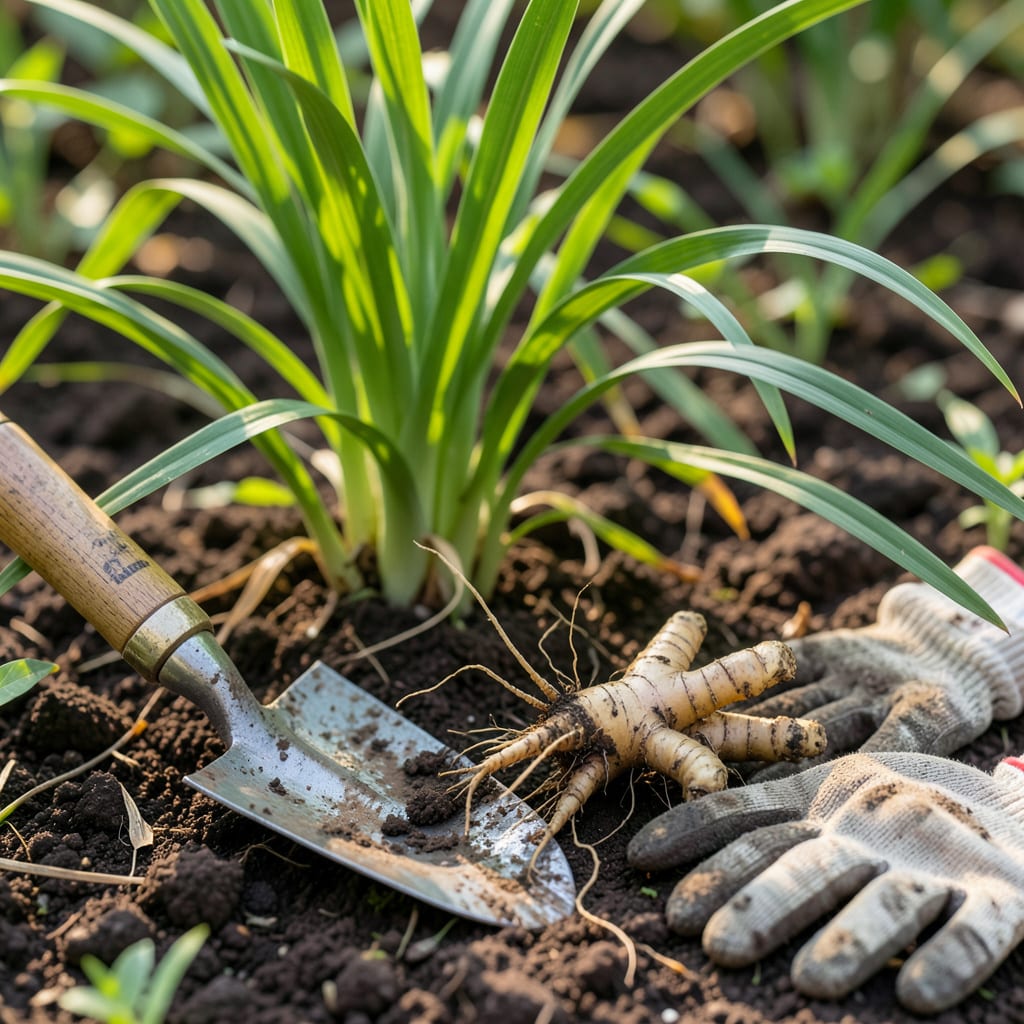
Harvesting 🌿 Ginger at just the right moment can make all the difference between a mediocre crop and a bountiful, flavorful yield. Timing is everything with this plant.
I’ll show you the most important visual cues and seasonal signals to watch for, so you never second-guess when to dig. Let’s get your harvest perfect every time.


Knowing when ginger is ready to harvest starts with observing its foliage. The most obvious sign is yellowing leaves, which indicate the plant is maturing and redirecting energy to its rhizomes.
As the stems begin to weaken and die back, it’s a clear signal that the underground rhizomes are nearing their peak size and flavor development.
| Sign | Description |
|---|---|
| Yellowing leaves | Foliage turns pale yellow and droops |
| Stem dieback | Stems weaken and dry out |
| Plump rhizomes | Underground roots feel firm and full |
| Loose soil | Soil around base feels less dense |
The growth slowdown is another key indicator. When your ginger plant stops producing new shoots and the existing ones start to brown, it’s preparing for dormancy, which means harvest time is near.
I always check the soil conditions too. If the soil around the base feels looser than usual, it often means the rhizomes have expanded and are pushing against their surroundings.
For the best results, wait until at least 4 months after planting. Ginger typically needs 180 days to fully mature, but in warmer climates, it may be ready sooner.
If you planted in early spring, expect to harvest in late summer or early fall. This timing aligns with the plant’s natural growth cycle and ensures maximum yield.
Remember, patience pays off. Harvesting too early can result in small, underdeveloped rhizomes. But waiting too long can make them fibrous and less flavorful.
I like to do a test dig on one plant to check the rhizome size. If it’s plump and firm, the rest are likely ready too. If not, I give them another 2-3 weeks to mature.
Finally, weather matters. Harvest before the first frost in colder climates, as ginger cannot tolerate freezing temperatures. In tropical areas, you can leave them in the ground longer.
🌿I always recommend testing ginger readiness before committing to a full harvest. A gentle root inspection is the safest way to check without harming the plant.
Start by brushing away soil at the base of one plant to expose the top of the rhizomes. If they appear plump and firm, your crop is likely ready.
Another method is sample digging. Carefully lift one entire plant and inspect the rhizome size. For ginger, mature rhizomes should be at least 3-4 inches long.
If the sample isn’t ready, I mark the plant and give the rest 2 more weeks before testing again. This prevents disturbing the same spot repeatedly.
Remember, size isn’t everything. The rhizomes should also feel heavy for their size and have a smooth, tan skin. These are signs of peak maturity.
In warmer climates, you might see faster growth. I’ve found ginger can mature in as little as 120 days in ideal conditions, but 180 days is the sweet spot.
🌿Even experienced gardeners can make critical errors when harvesting ginger. The most common mistake is harvesting too early, which results in small, underdeveloped rhizomes with poor flavor.
Another frequent issue is using the wrong tools. Digging with a sharp shovel can damage the rhizomes, so I always use my hands or a hand trowel for gentle extraction.
Harvesting immature ginger or using sharp tools can ruin your crop. Always check readiness signs first!
Ignoring soil conditions is another pitfall. Harvesting when the soil is too wet can make the rhizomes rot during storage. I wait until the soil is dry but not bone-dry.
Many gardeners also overlook the weather forecast. In colder climates, leaving ginger in the ground too long risks frost damage. I always harvest before the first frost to protect my crop.
Lastly, don’t forget to cure your ginger properly after harvesting. Skipping this step can lead to mold growth during storage. I let my rhizomes dry in a shady, well-ventilated area for a few days. 🌿
Green leaves mean your ginger isn’t ready yet. Wait for the foliage to turn yellow and begin dying back. Harvesting now would give you small, underdeveloped rhizomes with weaker flavor.
Yes! Carefully dig to one side of the plant and remove only what you need. Rebury the rest to continue growing. This works best with mature plants at least 180 days old.
Overly mature ginger becomes fibrous and woody. If stems are completely brown and rhizomes feel tough when tested, you’ve waited too long. Aim to harvest as leaves yellow but before full dieback.
Container-grown ginger often matures faster due to controlled conditions. Start checking readiness signs at 120 days, but the same visual cues apply: yellowing leaves and firm rhizomes.
