
Beautiful Plants For Your Interior
Beautiful Plants For Your Interior
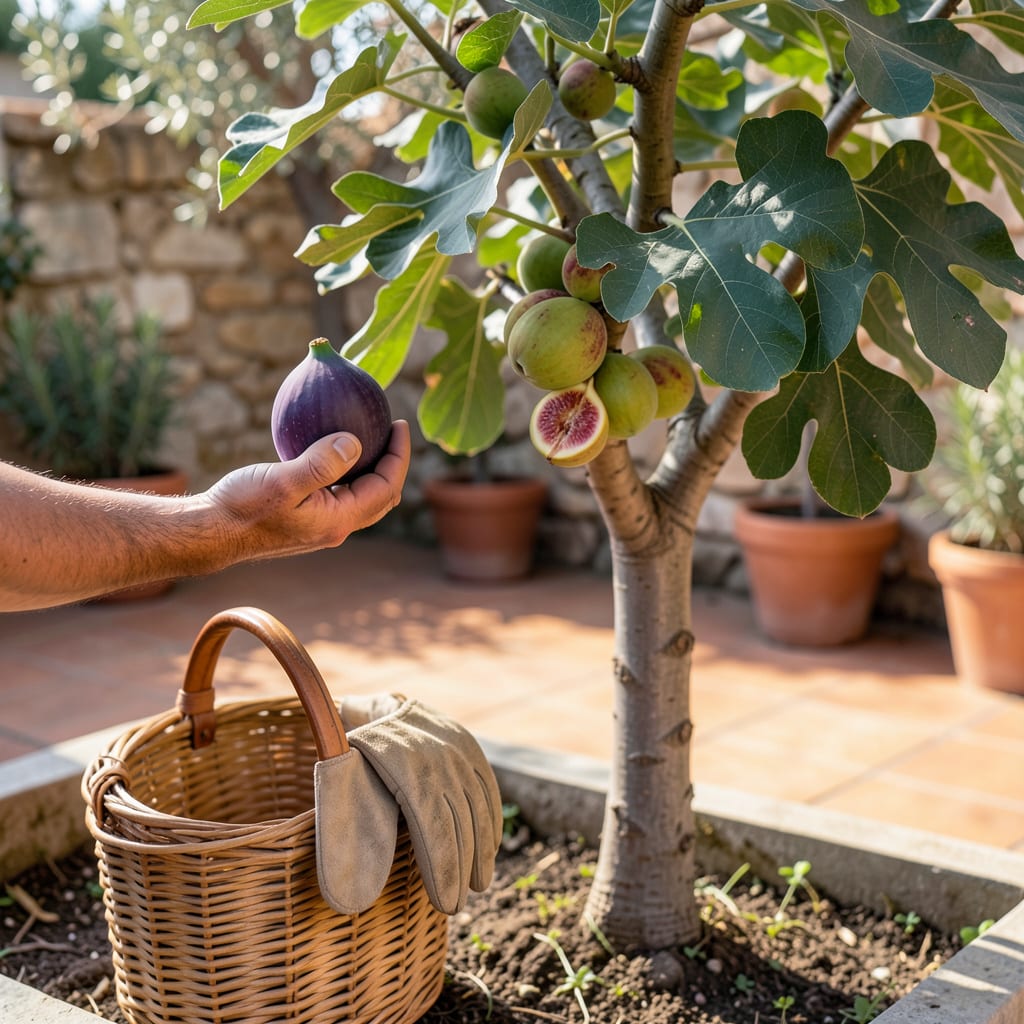
There’s nothing worse than biting into a fig that’s still rock-hard or—ugh—overripe and mushy. That perfect window of sweetness is fleeting, but I’ve learned the tell-tale signs that reveal when your 🍇 figs are begging to be picked.
Forget guessing games: the neck bend, color shifts, and even a gentle squeeze can unlock nature’s secret. Whether you’re growing Black Mission or Brown Turkey varieties, I’ll show you exactly how to spot ripeness—so every harvest is juicy, not disappointing.


Timing is everything when harvesting figs. Miss that sweet spot, and you’ll end up with either a chalky disappointment or a mushy mess. After years of trial and error, I’ve learned that figs send clear signals when they’re ready—you just need to know what to look for.
The first clue? The famous neck bend. When a fig is ripe, its stem bends downward like a nod, almost as if it’s bowing to you. If the fruit is still standing upright like a soldier, it’s telling you, “Not yet!” This simple trick alone has saved me from countless underripe harvests. 🌿
Pro Tip: Check figs every 1–2 days in peak season—they can go from perfect to overripe in 24 hours!
One mistake I see gardeners make is relying only on color. Some figs, like Green Ishia, stay pale even when ripe. Instead, combine the neck bend with a gentle touch test. If the fig resists pressure, it’s not ready. If it leaves a dent, you’ve waited too long.
Size matters too, but don’t be fooled by giant figs. A Brown Turkey might stay small but pack intense flavor, while a Kadota can swell without ripening. Always cross-check with the stem bend and texture. I once waited weeks for a massive fig to ripen—only to find it was hollow inside! ☀️
Watch the weather as well. After a heatwave, figs ripen faster—sometimes overnight. Conversely, cool spells slow things down. I keep a garden journal to track ripening patterns year to year. Last summer’s notes saved me from missing this year’s early harvest by a week!
If you’re growing multiple varieties, note that Black Mission figs often ripen earlier than Brown Turkey. I label branches with colored ties to avoid mixing them up. Nothing’s worse than picking a Celeste fig thinking it’s a Kadota—they ripen on totally different schedules!
Finally, trust your instincts. If a fig looks plump, hangs low, and feels slightly heavy for its size, it’s likely ready. And if you’re still unsure? Perform the sacrificial fig test: pick one and cut it open. Deep pink/amber flesh and a hint of syrup mean the rest are good to go. 🪴
Remember, figs won’t ripen off the tree, so patience is key. Wait for that perfect droop, and you’ll be rewarded with fruit so sweet it tastes like nature’s candy. No guesswork—just pure, jammy deliciousness every time.
Once you’ve spotted the visual cues of ripening, it’s time to get hands-on. I always start with the gentle squeeze test—a ripe fig should yield slightly, like a soft avocado, but not feel mushy. If it’s rock-hard, walk away; it’s not ready yet! 🪴
Next, check the stem flexibility. A ripe fig’s neck will bend downward naturally, almost like it’s bowing to you. If the stem snaps off with a light twist, it’s a golden sign of readiness. Avoid yanking—figs bruise easily when overripe.
💡 Pro Tip: The Sacrificial Fig Test
Pick one test fig when you suspect ripeness. Cut it open—if the flesh is deep pink/amber and oozes slightly, the rest are ready. Taste it too! Underripe figs taste bland; perfect ones burst with honeyed sweetness.
⚠️ Avoid this test with overripe figs—they’ll be fermented or attract fruit flies.
Watch for honeydew beads—tiny sugar droplets on the skin. This is the fig’s way of saying, “I’m at peak sweetness!” But act fast: once you see these, pests like ants and wasps will too. Harvest within a day or two.
Timing matters! I harvest figs in the early morning when temperatures are cool. This preserves their texture and flavor. If you pick midday, heat can cause them to soften too quickly. Use clean pruners or twist gently to avoid crushing.
Don’t rely on color alone—some varieties, like Green Ishia, stay pale even when ripe. Instead, combine touch, stem bend, and taste. If you’re unsure, wait a day and recheck. Figs won’t ripen further once picked, so patience pays off! ☀️
Finally, if you spot split skin, don’t panic—it’s often a sign of rapid ripening after rain. These figs are still edible but best used immediately. Store unwashed figs in the fridge for 2-3 days max; they’re delicate!
If you’ve ever wondered why some figs ripen faster than others on the same tree, it’s all about timing and conditions. Figs typically take 90–120 days from flower to harvest, but heat, humidity, and variety play huge roles. I’ve seen Black Mission figs ripen in 90 days, while Brown Turkey can take up to 150 days.
Climate is the game-changer. In hotter zones like USDA 9–11, figs ripen 2–3 weeks faster than in cooler areas. A late-summer heatwave? Expect a sudden rush of ripe fruit. But if your summer is mild, be patient—those figs might need extra time to sweeten up.
| Variety | Days to Ripen | Peak Harvest Window |
|---|---|---|
| Black Mission | 90–100 | Late July–August |
| Brown Turkey | 120–150 | August–September |
| Celeste | 100–120 | Mid-July–August |
Note: Adjust for microclimates—urban heat islands or coastal fog can shift timelines by 1–2 weeks.
Ever notice how figs on the south side of the tree ripen first? That’s sunlight at work. Figs need 6–8 hours of direct sun daily for even ripening. Shaded figs? They’ll lag behind—or worse, stay stubbornly green. I rotate my potted figs weekly to avoid this issue.
Here’s a pro tip: Track your first ripe fig each year. Jot down the date, then count backward to estimate next year’s harvest window. In my garden, August 10th is the magic day for Brown Turkey figs, give or take a few days. Consistency is your best tool!
Don’t forget—figs won’t ripen off the tree like tomatoes. Once picked, they’re done developing. So if you’re in a rush, resist the urge to harvest early. Wait for that neck bend and soft give, and you’ll be rewarded with jammy perfection. 🪴
Certain varieties like Celeste or Kadota remain green or yellow when fully ripe. Don’t rely on color alone—check for the neck bend and soft texture instead. A gentle squeeze should yield slightly, like a ripe avocado.
Figs won’t ripen off the tree like tomatoes, so picking early means missing out on sweetness. Wait until the fruit droops and the stem bends easily. If you must harvest early, use them for jams or preserves where sugar can compensate.
In peak season, inspect your tree every 1–2 days. Figs can go from perfectly ripe to overripe (and split) in just 24 hours, especially in hot weather. Morning checks are best—birds and pests are less active then.
That milky latex is natural but signals the fig isn’t ready. It’s bitter and can irritate skin, so wear gloves when handling. The sap dries up as the fruit matures, leaving a smooth, edible skin.
Figs on the sunny side of the tree ripen 3–5 days faster than shaded ones. If your tree is unevenly lit, rotate potted figs weekly or prune branches to improve airflow and sunlight distribution.
