
Beautiful Plants For Your Interior
Beautiful Plants For Your Interior
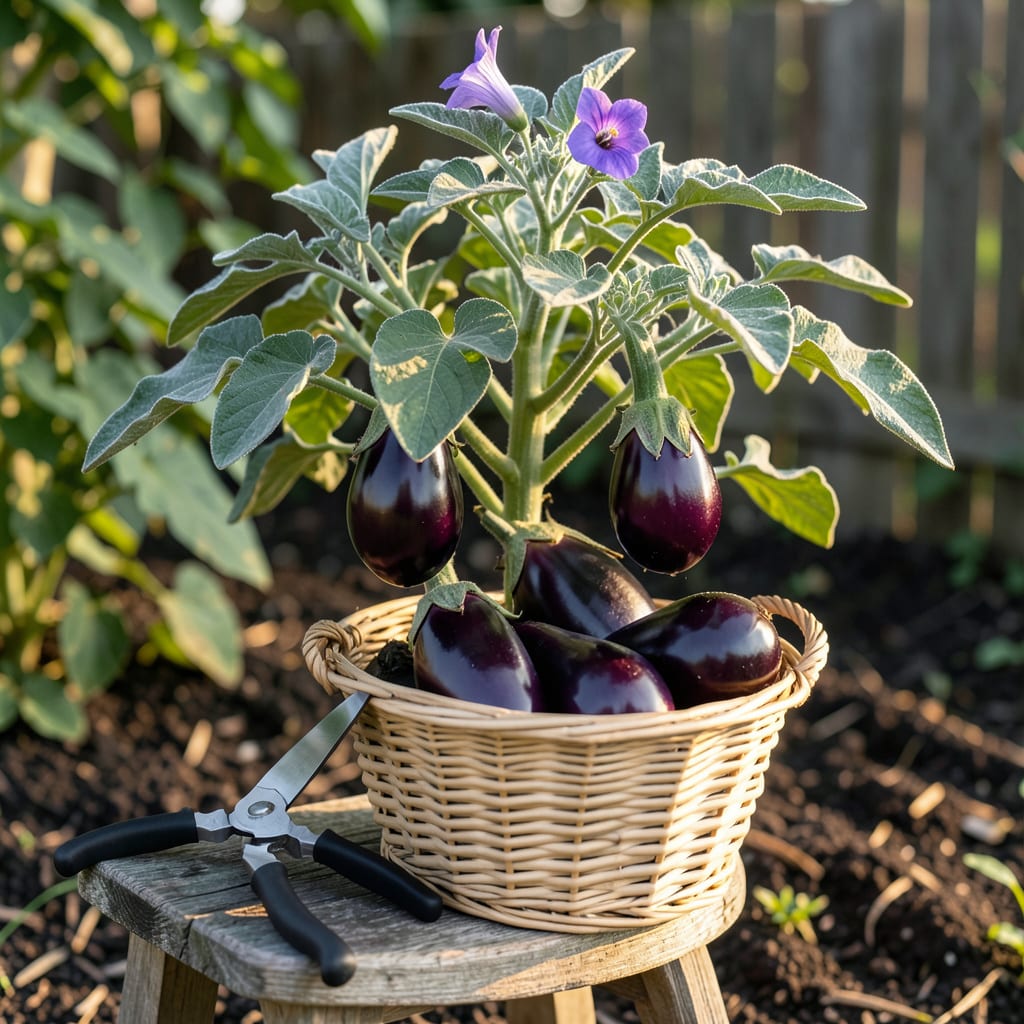
That moment when you’re staring at your 🍆 eggplant, wondering: Is it ready or not? One wrong move, and you’re stuck with bitter, seedy fruit—or worse, a mushy disappointment. I’ve been there, and let me tell you, the difference between perfect and ruined comes down to a few subtle clues.
Most gardeners focus on size or color, but they’re missing the most reliable test: a simple gloss check that takes 2 seconds. I’ll show you exactly what to look for—plus the sneaky signs that mean you’ve waited too long. Your harvest (and your dinner plate) will thank you.


I’ve lost count of how many gardeners I’ve seen grab an eggplant just because it’s big and purple—only to end up with a tough, bitter disappointment. The truth? Color alone is the worst indicator of ripeness. That glossy sheen you’ve ignored? That’s your golden ticket to perfect harvest timing.
Here’s what I’ve learned after years of trial and error: A ripe eggplant practically announces itself with subtle but unmistakable clues. The skin should reflect light like a polished apple, the stem stays supple, and the fruit feels heavy for its size. Miss these signs, and you’re gambling with texture and flavor.
The gloss test is my non-negotiable first check. Hold your eggplant up to the sunlight—if it reflects like a freshly polished shoe, you’re in business. No shine? Walk away. I’ve ruined entire harvests by ignoring this simple rule, and I don’t want you making the same mistake.
Next, give it the “avocado test”. Press your thumb gently into the skin—it should bounce back slowly, like a ripe avocado. If it springs back instantly, it’s underripe. If your thumb leaves a permanent dent, you’ve waited too long and the seeds inside are turning bitter.
Don’t overlook the stem connection. A green, bendy stem means the plant is still actively feeding the fruit—ideal for harvesting. Once that stem turns woody or cracks, the eggplant is past its prime. I use clean pruners to cut with 1 inch of stem attached; this prevents rot during storage.
Pro tip: Weigh it in your hand. A ripe eggplant feels denser than it looks. If it feels hollow or lightweight, the flesh inside hasn’t fully developed. I compare similar-sized fruits— the heavier one is always the ripe one. Trust me, your taste buds will notice the difference.
Remember, variety matters. A slender Ichiban should be pencil-thin but 10–12 inches long, while a Rosa Bianca stays small (4–6 inches) with creamy streaks. When in doubt, consult your seed packet’s “days to maturity” and start checking 5 days before that deadline.
Not all eggplants ripen the same way—what works for a Black Beauty could ruin a delicate Ichiban. I’ve grown all seven of these varieties, and trust me, their harvest windows vary dramatically. Size, color, and even stem firmness change by type.
The key? Know your variety’s mature size and days-to-maturity range. A Rosa Bianca left too long turns bitter, while a Thai Green picked early stays rock-hard. Below is your cheat sheet for perfect timing—no guesswork needed.
See a pattern? Slender varieties like Ichiban ripen faster but need picking sooner—they turn fibrous if left. Round types (Rosa Bianca) take longer but give you a 3-day window once glossy. Always check the stem: if it’s drying, harvest immediately.
Pro tip: Japanese eggplants (long and thin) should bend slightly when held horizontally—if they droop, they’re overripe. For white varieties, press gently; a ripe one leaves a faint fingerprint. Still unsure? Cut a test fruit open—tiny seeds mean perfection.
Weather throws curves too. Heat waves speed ripening by 2–3 days, while cool spells delay it. Adjust your timeline if temps spike or dip. And remember: morning harvests lock in freshness—eggplants wilt fast in afternoon sun.
A ripe eggplant’s skin will have a shiny, reflective surface—like it’s been polished. Dull or matte skin means it’s not ready. Hold it under sunlight to check: if it glistens like a fresh apple, it’s perfect. This gloss appears when the fruit reaches peak sugar content.
Overripe eggplants feel soft or spongy when pressed, and their skin may look wrinkled. Inside, you’ll find large, dark seeds and bitter flesh. The stem also turns brown and dry. If you see these signs, harvest immediately—even if it’s past prime.
but it varies by type. A Black Beauty should be 6–8 inches long, while Ichiban can grow 10–12 inches and stay tender. Always check your variety’s ideal size—picking too small means underdeveloped flavor, while oversized ones turn bitter.
Weight alone isn’t enough—it could be waterlogged from recent rain or over-fertilized. Wait for the glossy skin and slight give when pressed. If the stem is still green and firm, give it 1–2 more days in warm weather.
