
Beautiful Plants For Your Interior
Beautiful Plants For Your Interior
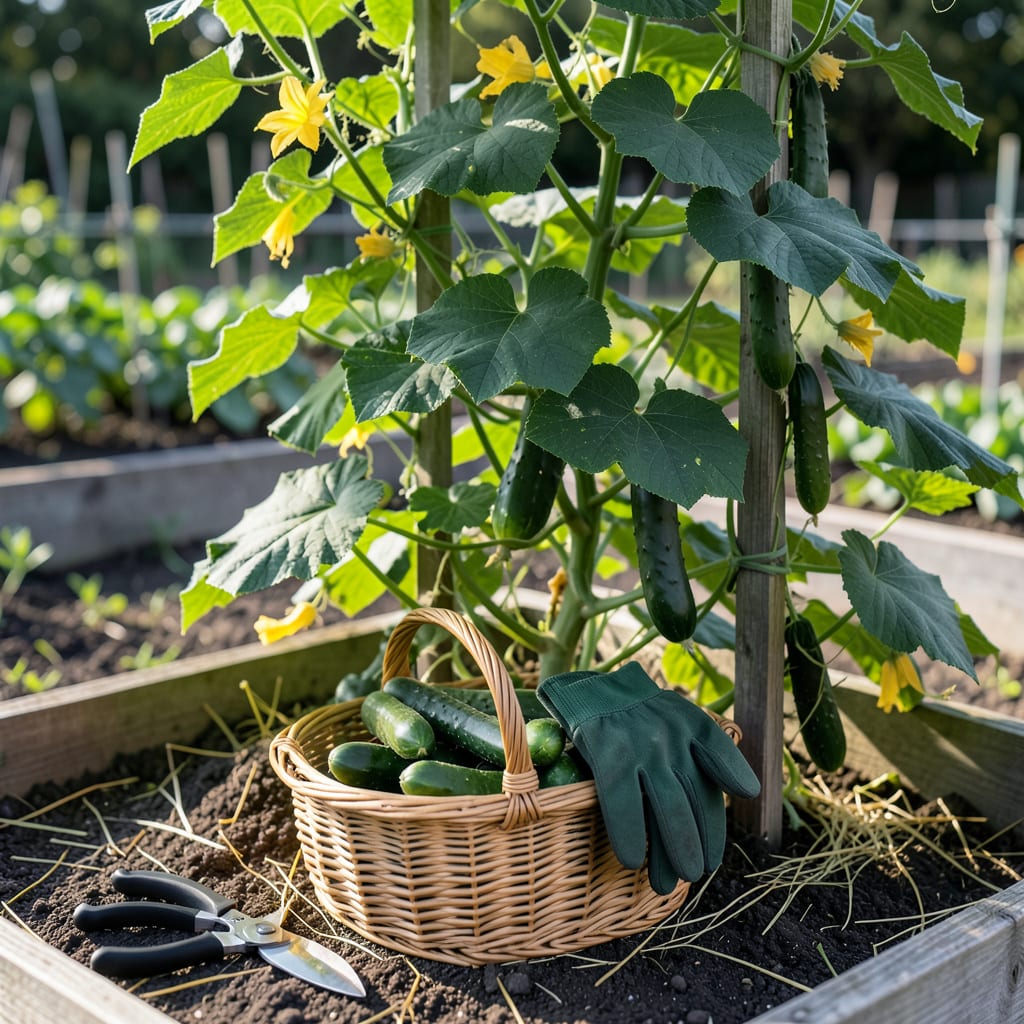
There’s nothing worse than cutting into a homegrown cucumber only to find it bitter, seedy, or mushy. That perfect crisp snap and sweet flavor? It all comes down to picking at just the right moment—but how do you know when that is?
I’ve wasted too many 🥒 cucumbers by guessing wrong, so I dug into the science of it. Turns out, a simple color check and thumb test can save your harvest. Let me show you exactly what to look (and feel) for.


Nothing beats the satisfaction of plucking a perfectly ripe cucumber straight from the vine. But timing is everything—pick too early, and you’ll get a bland, underdeveloped fruit; wait too long, and it turns bitter or pithy. I’ve learned the hard way that visual cues are your best friend here.
The first thing I check is color consistency. A ready-to-pick cucumber should have a vibrant, even green hue from stem to blossom end. If you spot yellow patches or a dull tone, it’s either overripe or struggling. For varieties like ‘Lemon Cucumber’, a pale yellow is normal—always research your specific type!
| Sign | Slicing Varieties | Pickling Varieties |
|---|---|---|
| Size | 6–8 inches long | 3–5 inches long |
| Color | Deep green, glossy | Medium green, uniform |
| Texture | Firm with slight give | Crisp, no soft spots |
| Stem | Detaches with gentle twist | Snaps cleanly, no resistance |
💡 Pro Tip: Harvest in the early morning for the crispiest texture—cucumbers lose moisture in afternoon heat!
Next, I examine the size and shape. Most slicing cucumbers (like ‘Marketmore’) should be 6–8 inches long, while pickling types (such as ‘Boston Pickling’) max out at 3–5 inches. If your cucumber resembles a baseball bat, it’s overgrown—these giants are often bitter and seedy.
Don’t overlook the skin texture either. Run your fingers along the surface: it should feel slightly bumpy (for varieties like ‘English cucumbers’) or smooth but never wrinkled. A rough, leathery skin means it’s past prime. I once left a cucumber on the vine too long, and it turned into a tough, yellow monster—lesson learned!
The stem attachment is another telltale sign. Gently twist the cucumber where it meets the vine. If it pops off easily, it’s ready. If you’re tugging like you’re starting a lawnmower, give it another day. For stubborn stems, I use clean pruners to avoid damaging the plant.
Watch for overripe red flags: a swollen, puffy appearance, soft spots, or a dull thud when tapped. These mean the seeds inside are large and the flesh is turning mushy. If your cucumber looks like it’s been inflated with a bike pump, it’s too late—compost it and check the vine for younger fruits.
Variety matters! ‘Armenian cucumbers’ (actually a melon) should be light green and ribbed, while ‘White Wonder’ turns creamy when ripe. I keep a harvest log with photos of each variety at peak ripeness—it’s a game-changer for new gardeners. When in doubt, pick one test cucumber and slice it open to check seed size.
Remember, frequent harvesting encourages more production. I aim to pick cucumbers every 2–3 days during peak season. If you spot flower buds on the vine but no fruits, your plant might be stressed from overripe cucumbers—remove them ASAP to redirect energy.
Finally, trust your instincts. If a cucumber looks and feels right but you’re unsure, go ahead and pick it. Cucumbers grow incredibly fast—what’s perfect today could be a seedy disappointment tomorrow. And if you accidentally pick an underripe one? Toss it in a stir-fry or quick-pickle it with vinegar and spices for a tangy snack.
Now that you’ve mastered the visual signs, let’s dive into the thumb pressure test—the secret weapon for confirming ripeness without guessing. It’s all about that Goldilocks firmness: not too hard, not too soft, but just right!
When I’m checking if a cucumber is ready, I skip the guesswork and go straight for the thumb pressure test. This tactile method reveals more than color alone—it tells you if the flesh is crisp or past its prime. Gently press your thumb into the cucumber’s skin; it should give slightly but bounce back.
A perfectly ripe cucumber will feel firm yet yielding, like a ripe avocado but with more resistance. If your thumb sinks in and leaves a dent, it’s overripe and mushy. If it feels rock-hard, it needs more time on the vine. This test works for all varieties, from slicing cucumbers to tiny pickling types.
⚠️ Pro Tip: Test multiple cucumbers on the same plant—ripness can vary even on the same vine!
For bush cucumber varieties, I find the thumb test even more critical. These plants often produce fruit that ripens quickly, so checking daily is key. If the cucumber feels spongy or soft, it’s likely overripe and may taste bitter. Vining varieties, like ‘Marketmore’, can handle a day or two longer on the vine but still need the test.
One mistake I see often? Gardeners waiting for cucumbers to turn bright yellow, thinking they’ll sweeten like a melon. That’s a myth—yellow means overripe and seedy. Stick to the thumb test and harvest when the color is still uniform green (or white/yellow for specialty varieties like ‘Lemon Cucumber’).
If you’re growing pickling cucumbers, aim for a firmer feel—they should be crisp enough to snap when bent. Slicing cucumbers can afford a touch more give, but never softness. Remember, the sooner you pick, the more the plant will produce. I harvest mine every 2-3 days in peak season to keep the vines productive.
Finally, pair the thumb test with a visual check: look for glossy skin and consistent color. Dull or wrinkled skin often means the cucumber is past its prime, even if it feels firm. Trust your fingers—and your eyes—to get that perfectly crisp harvest every time. 🪴
Timing your cucumber harvest makes all the difference between crisp, flavorful produce and bitter, seedy disappointments. Pickling cucumbers need to come off the vine smaller and firmer, while slicing varieties taste best at full size. I’ll break down the exact windows for each type.
Most pickling cucumbers hit their prime at 2–4 inches long, when their skin is still tender and seeds are tiny. Slicing cucumbers, like ‘Marketmore,’ should reach 6–8 inches before picking. Wait too long, and both types turn yellow and lose their crunch.
| Variety | Ideal Size | Days to Harvest | Best Use |
|---|---|---|---|
| Boston Pickling | 2–4 inches | 50–55 days | Pickling, fermenting |
| Marketmore 76 | 6–8 inches | 60–65 days | Fresh eating, salads |
| Lemon Cucumber | 2–3 inches (round) | 65–70 days | Fresh eating, snacks |
💡 Pro Tip: Harvest every 2–3 days to keep plants productive!
Overripe cucumbers turn yellow or orange and develop tough skins. If you spot these, remove them immediately—they signal the plant to stop producing. For pickling varieties, check for firmness daily once they hit 1.5 inches.
Slicing cucumbers left on the vine too long become bitter and watery. I use the thumb test: press gently—if the skin gives slightly but springs back, it’s ready. If it feels soft or mushy, it’s past prime.
For continuous harvests, pick cucumbers in the early morning when they’re most hydrated. Store them in the fridge’s crisper drawer to maintain freshness for up to 10 days. Now you’re set to enjoy homegrown flavor at its peak! 🌿
Check your cucumber plants every 1-2 days during peak season. They grow quickly and can go from perfect to overripe in just a few days. Morning checks are ideal since cucumbers are crispest after cool nights.
Yellow cucumbers are overripe—they’ve stayed on the vine too long. This happens when they’re not harvested promptly or if the plant is stressed. Remove yellow cucumbers immediately to encourage new growth.
Pickling cucumbers are best harvested at 2-4 inches long. They’ll be crisp and have tiny seeds, perfect for jars. Wait too long, and they’ll get seedy and lose their signature crunch.
Harvest in the early morning when temperatures are cool. Cucumbers picked then are most hydrated and crisp. Avoid midday heat, which can make them wilt faster after picking.
Store them in the fridge’s crisper drawer unwashed, wrapped loosely in a paper towel. They’ll stay fresh for 7-10 days. Avoid plastic bags—they trap moisture and speed up spoilage.
