
Beautiful Plants For Your Interior
Beautiful Plants For Your Interior
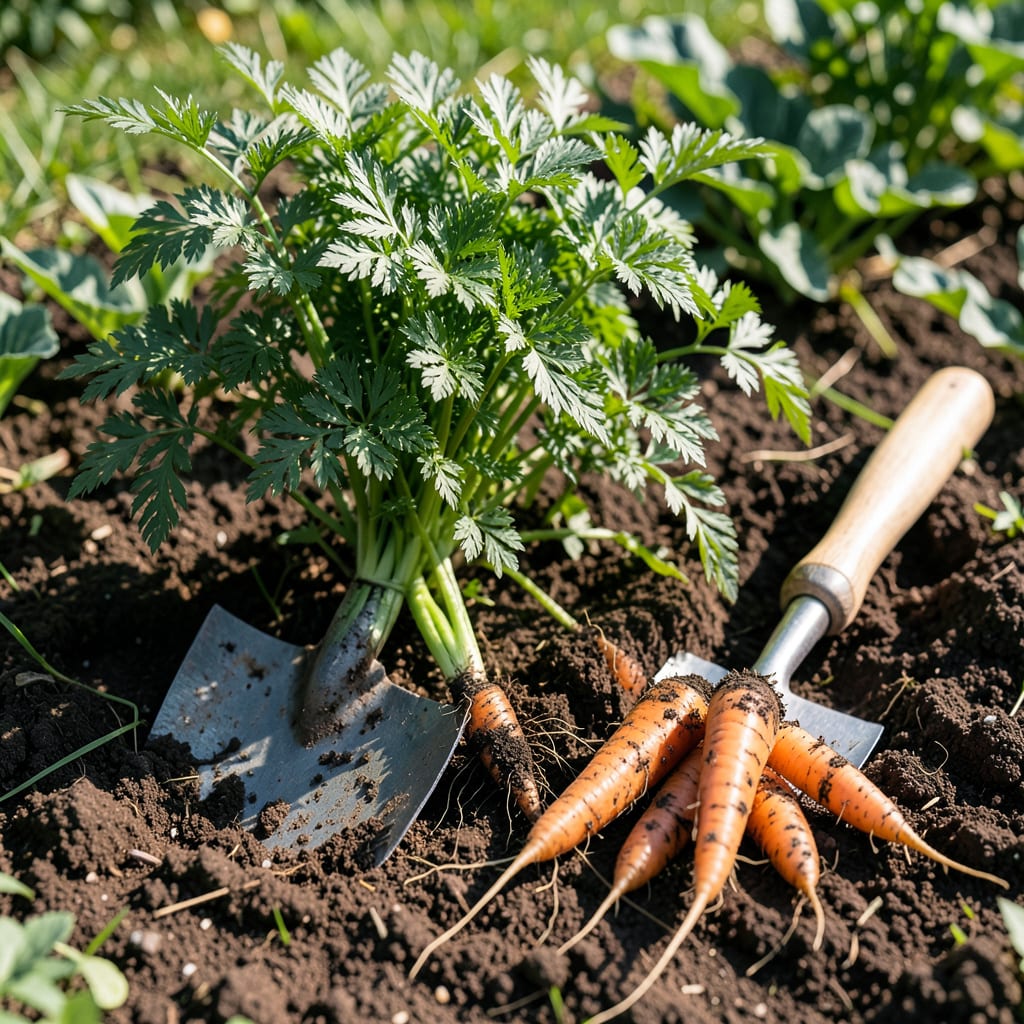
Nothing beats pulling fresh 🥕 carrots from your garden, but timing is everything. Picking too soon leaves you with skinny, bitter roots.
I’ll show you the easiest ways to check for maturity without disturbing the plants. You’ll learn to spot the subtle signs that mean your harvest is ready.


I always get excited when my carrot tops start looking full and healthy, but that’s not the only sign to watch for. The shoulder diameter is one of the best indicators—most varieties are ready when they reach 0.75 to 1.5 inches wide at the soil line. 🌱
Another clue is the visible root length and color vibrancy. For example, Nantes carrots often show their bright orange tops peeking above the soil when mature. I gently brush away the dirt to check without pulling them up. 🌿
| Sign | What to Look For | Variety Notes |
|---|---|---|
| Shoulder Diameter | 0.75–1.5 inches | Larger for Chantenay |
| Root Length | 6–8 inches visible | Danvers: 7–8 inches |
| Color | Vibrant, even hue | Orange, purple, or red |
| Foliage Health | Lush, full greens | Slight yellowing OK |
If you’re unsure, try the gentle tug test. I grasp the foliage near the base and pull slowly—if it resists, it might need more time. But if it comes up easily, it’s likely ready. This method works best in dry soil conditions. ✂️
For early varieties like Paris Market, I start checking at 50 days after sowing. These smaller, round carrots mature faster than late-season types, which can take up to 80 days. Always refer to your seed packet for specifics. 🌱
The soil temperature also plays a role. Carrots grow best in 60–65°F soil, and cooler temps can slow maturity. If your area had a late spring, your carrots might need an extra week or two. I use a soil thermometer to track conditions. ☀️
Another trick I use is marking planting dates on my calendar. Since most carrots take 60–70 days to mature, I count forward from my sowing date to estimate harvest time. This helps me avoid forgetting or guessing. 📌
Watch for cracking or splitting, which can happen if carrots stay in the ground too long. This is especially common in heavy clay soil or after heavy rains. If I notice this, I harvest immediately to prevent further damage. 💧
Finally, I always check a few test carrots from different spots in the row. If they’re consistently the right size and color, the rest are likely ready too. This spot-checking method saves me from harvesting an entire row too early. 🌿
Remember, carrots can be left in the ground for a while after maturing, especially in cool weather. But for the best flavor and texture, I aim to harvest them at their peak. Over-mature carrots can become woody or bitter. 🌱
Timing your carrot harvest starts with knowing your variety. Early types like Nantes mature in 50-60 days, while late-season Danvers can take 75-80 days. Each has unique size and flavor profiles.
Mid-season varieties such as Chantenay typically need 65-70 days. Staggered planting ensures a continuous supply. Always check the seed packet for exact timelines.
| Variety | Days to Maturity | Best For |
|---|---|---|
| Nantes | 50-60 | Early harvests |
| Chantenay | 65-70 | Mid-season |
| Danvers | 75-80 | Late-season |
For early varieties, start checking at 50 days. Use a gentle brush to expose the shoulder and measure diameter. 0.75-1 inch is ideal for most types.
Late-season carrots often grow larger and sweeter. If left too long, they may become woody or cracked. Monitor soil moisture to prevent splitting.
Stagger planting every 2-3 weeks for a continuous harvest. This ensures you always have fresh carrots ready without overwhelming your garden space.
Remember, cool temperatures can extend maturity time. In warmer climates, carrots may mature 10-15 days faster. Adjust your timeline accordingly.
🌱I’ve seen many gardeners pull their carrots too early, only to find skinny, underdeveloped roots. This often happens when we’re impatient or misjudge the days to maturity. 🌱
On the flip side, leaving carrots in the ground too long can lead to woody textures or cracked roots, especially in heavy soil. Overripe carrots lose their sweetness and can even split. ✂️
⚠️ Warning: Harvesting too early gives bitter, small carrots. Waiting too long risks tough, split roots. Check your seed packet for the ideal maturity window.
Another common mistake is ignoring the soil conditions. Carrots struggle in compacted or rocky soil, which can stunt their growth. I always loosen the soil before planting to give them room to expand. 🌿
Don’t forget to monitor the weather. Heavy rains can cause carrots to absorb too much water, leading to cracking. If a storm is coming, I check my crop afterward and harvest any that look ready.
Finally, inconsistent watering can lead to uneven growth. I aim for 1 inch of water per week, keeping the soil evenly moist but not soggy. This helps prevent both premature and overripe issues. 💧
Most varieties are ready when shoulders reach 0.75 to 1.5 inches in diameter. Gently brush soil away to check without pulling the plant.
Yes, but only in cool weather. In warm soil, they’ll become woody or bitter. For best flavor, harvest at peak maturity.
Use the gentle tug test—grasp the foliage and pull slowly. If it resists, it needs more time. Works best in dry soil.
You’ll get skinny, bitter roots. Early carrots lack sweetness and proper size. Always check shoulder diameter first.
