
Beautiful Plants For Your Interior
Beautiful Plants For Your Interior
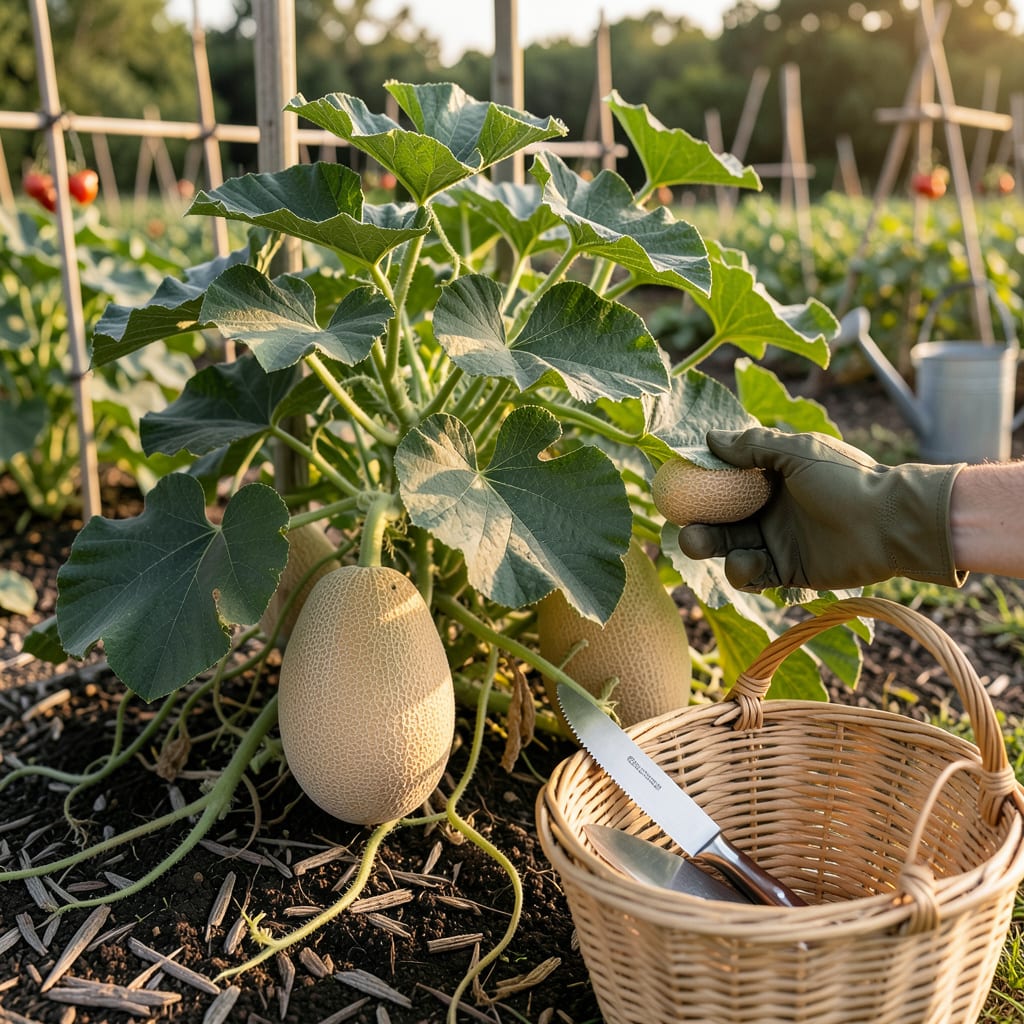
Nothing beats biting into a perfectly ripe cantaloupe—sweet, juicy, and bursting with flavor. But timing is everything. Pick too soon, and you’re left with a bland, underwhelming 🍈; wait too long, and it turns mushy before you can enjoy it.
I’ve learned the hard way that guessing just doesn’t cut it. The good news? There are five foolproof signs to tell when your cantaloupe is ready to come off the vine. Let’s break them down so you never second-guess your harvest again.


After weeks of tending your cantaloupe vines, the big moment arrives: deciding when to harvest. I used to rely on guesswork until I learned the five key ripeness indicators that never fail. The first is the stem slip test—a ripe melon detaches with minimal pressure, leaving a smooth scar.
The rind color transformation is equally telling. Watch for the green background to shift to creamy beige beneath the netting. This happens as chlorophyll breaks down, signaling sugar accumulation. The netting itself should feel rough and raised, not flat or smooth.
| Ripeness Sign | What to Look For | Why It Matters |
|---|---|---|
| Stem Slip | Clean break when lifted | Abscission layer forms at maturity |
| Rind Color | Beige/yellow under netting | Chlorophyll depletion = sugar peak |
| Netting Texture | Raised, coarse pattern | Develops with cell expansion |
| Blossom End | Slight softness | Pectin breakdown = juiciness |
| Aroma | Sweet, musky scent | Ethylene gas production peaks |
Press the blossom end (opposite the stem) with your thumb. A ripe cantaloupe yields slightly, like a ripe avocado. No give means it needs more time. I check this daily once the color changes—it’s the most reliable tactile test.
The scent test reveals hidden ripeness. Hold the melon to your nose—the stem end should smell sweet and floral. No aroma means it’s not ready. This fragrance comes from volatile organic compounds that intensify as sugars concentrate.
For the final check, try the shake test. Gently shake the melon near your ear. Ripe ones have loose seeds that create a subtle rattling sound. Unripe melons remain silent because the seed cavity is still firmly attached to the flesh.
Timing matters too. I harvest in the early morning when sugar content is highest after the cool night. Use clean pruners if the stem doesn’t slip naturally, leaving about 1 inch of stem to prevent rot during storage.
Remember that size isn’t everything—some heirloom varieties stay small but develop intense flavor. When in doubt, combine multiple tests. A perfectly ripe cantaloupe will pass at least three of these checks, ensuring that first bite is pure summer sweetness. 🌱
If you’re growing multiple plants, check them individually. Even on the same vine, melons can ripen at different rates. I mark promising candidates with garden twine a few days before expected harvest to monitor their progress closely.
For container-grown cantaloupes, these signs still apply, though they may mature slightly faster due to the warmer root zone. The key is consistency—check your plants every 1-2 days once they start showing color changes to catch the perfect harvest window. 🪴
When I first started growing cantaloupe, I’d stare at the vines wondering, Is it ready yet? Turns out, the plant gives clear signals—if you know where to look. The stem slip test is my go-to first check. A ripe cantaloupe will detach from the vine with just a gentle lift, leaving a clean, hollow stem.
Next, examine the rind color and netting. An unripe melon has a greenish tint, while a ready one turns creamy yellow under the netting. The netting itself should look raised and pronounced, not smooth. This visual shift happens as sugars develop inside the fruit.
| Ripeness Sign | What to Look For | Why It Matters |
|---|---|---|
| Stem Slip | Fruit separates easily from vine | Natural abscission layer forms when ripe |
| Rind Color | Creamy yellow under netting | Chlorophyll breaks down as sugars increase |
| Netting Texture | Raised, rough pattern | Develops with maturity and sugar content |
| Blossom End | Slight give when pressed | Flesh softens as pectin breaks down |
| Aroma | Sweet, musky fragrance | Volatile compounds peak at ripeness |
The blossom end (opposite the stem) tells another story. Press gently with your thumb—if it yields slightly, like a ripe avocado, it’s ready. No give means it needs more time. I use my fingernail to test: if it leaves a slight indentation, we’re in business.
Don’t ignore the scent test. A ripe cantaloupe emits a sweet, musky aroma at the stem end. If you smell nothing, wait another day or two. This fragrance comes from ethyl butanoate, the same compound that gives pineapples their tropical scent.
Finally, give it the shake test. Hold the melon near your ear and gently shake. Ripe cantaloupes have loose seeds inside, creating a subtle rattling sound. Unripe ones stay silent because the seed cavity is still firm and attached.
I’ve found that morning harvesting yields the sweetest results. The fruit’s sugar content is highest after a cool night. Use pruners to cut the stem if it doesn’t slip naturally, leaving about an inch attached to prevent rot during storage.
Remember, size alone isn’t reliable—some varieties stay small but pack intense flavor. When in doubt, check multiple signs. A perfectly ripe cantaloupe will pass at least three of these tests, guaranteeing that first bite is pure summer bliss. 🌿
You’ve mastered the art of picking cantaloupe at peak ripeness—now what? Proper post-harvest handling makes all the difference between a mediocre melon and one that’s bursting with flavor. I’ve ruined my share by skipping these steps, so let me save you the disappointment.
First, resist the urge to wash your cantaloupe immediately. The natural bloom (that dusty coating) actually protects the fruit and extends shelf life. Instead, gently brush off dirt with a dry cloth. If you must wash it, do so just before cutting to prevent mold growth.
For slightly underripe cantaloupes, use the paper bag trick with an apple or banana. These fruits release ethylene gas, which accelerates ripening. Check daily—once the stem end yields to gentle pressure and emits a sweet aroma, it’s ready for the fridge.
Fully ripe melons should be stored at 35-40°F with 90% humidity. I use the crisper drawer with a damp paper towel to maintain moisture. Avoid plastic bags—they trap ethylene and can cause premature softening. Whole melons keep for 5-7 days this way.
Watch for overripeness signs: soft spots, fermented smell, or oozing liquid. At this stage, the fruit is still edible if used immediately in smoothies or frozen for later. I cube and freeze overripe cantaloupe on parchment paper before transferring to bags—perfect for winter smoothies!
Remember that container-grown cantaloupes often have thinner skins and may spoil faster. Check these daily and prioritize eating them first. The same storage rules apply, but their shelf life is typically 2-3 days shorter than field-grown varieties. 🌱
Picking too soon results in bland, underdeveloped flavor and firm texture. The fruit won’t ripen properly off the vine because it hasn’t accumulated enough sugars. You’ll notice a lack of sweetness and aroma, even after days on the counter.
Cantaloupe won’t ripen significantly after harvest, but slightly underripe ones can improve. Place them at room temperature for 1-2 days—never in the fridge. For best results, store with ethylene-producing fruits like bananas or apples to encourage slight softening.
From flowering to harvest, cantaloupe typically takes 35-45 days. The entire growing season is about 75-85 days from planting. Check daily once the fruit reaches full size, as ripening can happen quickly in warm weather.
A lack of aroma usually means it’s not ripe yet. The sweet, musky fragrance develops as sugars concentrate in the final days of ripening. If there’s no smell at the stem end, wait another day or two and check other ripeness signs.
Always let it separate naturally with a gentle lift—this is the “stem slip” test. If it doesn’t come off easily, it’s not ready. Never twist or pull forcefully, as this can damage the vine. Use clean pruners only if the stem remains stubbornly attached.
