
Beautiful Plants For Your Interior
Beautiful Plants For Your Interior
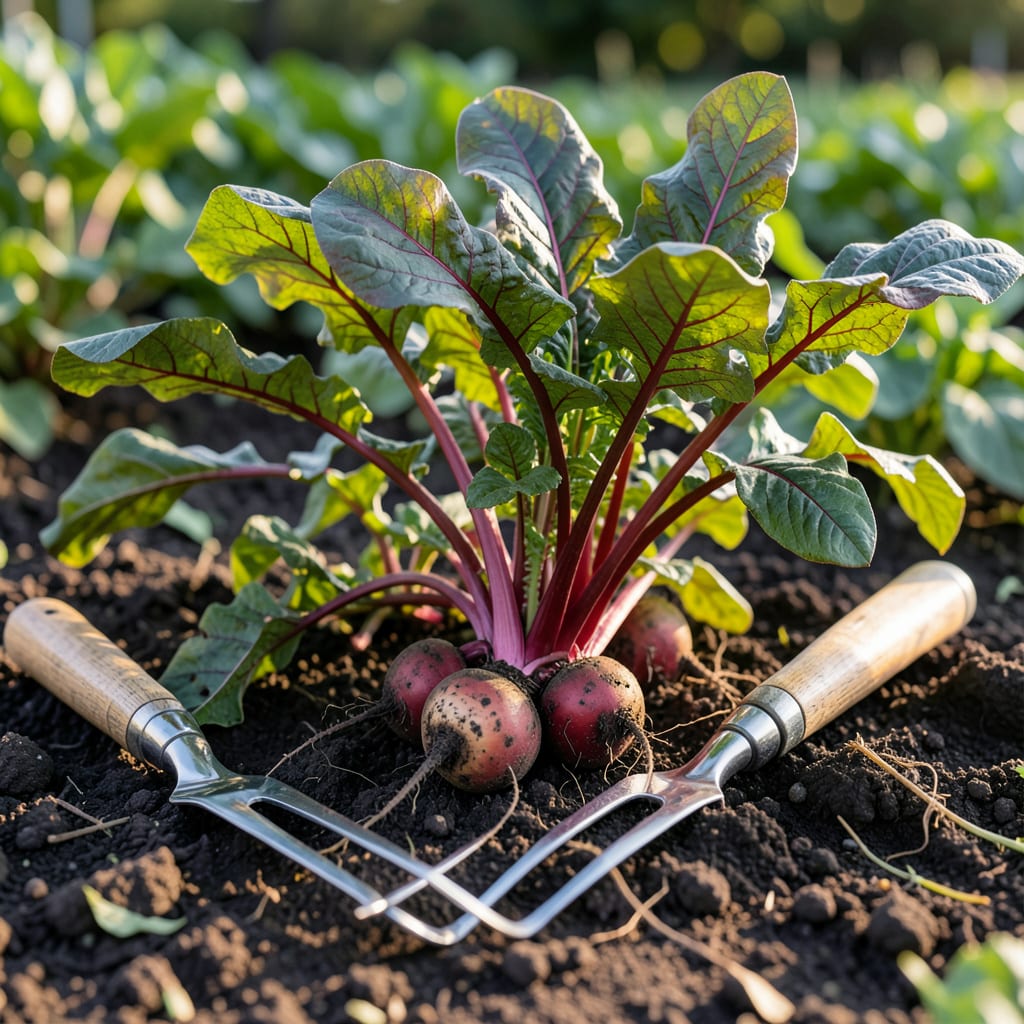
That moment when you see the first 🥔 Beet shoulders peeking above the soil is exciting. But how do you know if they’re truly ready to come out of the ground?
I’ll show you the simple visual cues and timing tricks that guarantee perfect harvests every time. No more guessing or disappointing results.


The most reliable sign is the shoulder check. When the top of the beet root starts pushing above the soil line, it’s nearing maturity. I look for that rounded bulge at the base of the stems.
Another clear indicator is leaf size. Mature beets typically have 6-8 inch leaves that are deep green and healthy. If the greens look vibrant and full, your beets are likely ready below.
| Sign | Description |
|---|---|
| Shoulders Above Soil | Top of root visible, 1-3 inches wide |
| Leaf Size | 6-8 inches tall, dark green |
| Root Color | Deep, consistent hue (red, gold, or white) |
| Days to Maturity | 45-75 days from sowing |
I always check the days to maturity for my specific variety. Most beets are ready in 60 days, but baby beets can be harvested as early as 30 days. The seed packet is your best guide here.
The shoulder check method is foolproof. Gently brush away the soil at the base of the plant to expose the top of the beet. If it’s 1-3 inches wide, it’s perfect for pulling.
For color confirmation, look for a deep, rich hue. Pale or washed-out colors mean the beet isn’t fully mature. This is especially true for red beets, which should be a vibrant crimson.
Don’t ignore the greens. Healthy, vigorous foliage is a great sign that the roots are developing well. If the leaves are yellowing or stunted, the beets may need more time or better care.
In my experience, morning harvests are best. The soil is moist and loose, making it easier to pull the beets without damaging the roots. Plus, the beets will be sweeter and more tender.
If you’re still unsure, try the finger test. Gently press the soil near the base of the plant. If you feel a firm, rounded root about the size of a golf ball, it’s ready to harvest.
Remember, overgrown beets can become tough and woody. If you see shoulders wider than 3 inches, harvest immediately to maintain the best flavor and texture.
With these visual cues, you’ll never miss the perfect harvest window again. Happy gardening!
🌱Timing your beet harvest perfectly depends on the variety. I always aim for 1-3 inch diameters for the best flavor and texture. Baby beets can be pulled at 1 inch, while standard types reach peak sweetness at 2-3 inches.
For days to maturity, most beets need 60 days from sowing. But check your seed packet—some varieties like ‘Early Wonder’ mature in 50 days, while ‘Chioggia’ may take 70 days.
I’ve found that overgrown beets lose their tenderness. If left too long, they develop a tough, fibrous texture and can become bitter. Harvest promptly when they reach the ideal size for your variety.
For successive harvests, I plant new seeds every 2-3 weeks. This ensures a continuous supply of young, tender beets throughout the growing season. The first sowing can go in as soon as the soil is workable in spring.
In warmer climates, beets can be grown as a fall crop. Sow seeds 8-10 weeks before the first frost for a late-season harvest. The cooler temperatures often enhance the sweetness of the roots.
Remember, size isn’t everything. A 1-inch beet can be just as flavorful as a larger one if harvested at the right time. The key is consistency—check your plants regularly once they near maturity.
🌱One of the biggest harvesting mistakes is waiting too long. I’ve seen gardeners leave beets in the ground until they’re baseball-sized, resulting in tough, woody roots that lack sweetness.
Another common error is harvesting too early. If you pull beets when they’re smaller than 1 inch, they won’t have developed their full flavor or texture. Patience is key with these root vegetables.
Waiting Too Long: Beets over 3 inches become tough and bitter.
Harvesting Too Early: Roots under 1 inch lack flavor and size.
Rough Handling: Damaging roots during extraction reduces storage life.
I always use a gentle hand when pulling beets. Yanking them out can break the roots or damage the greens. Instead, loosen the soil around the plant first with a fork or trowel.
Don’t forget to check the weather before harvesting. Pulling beets from dry, compacted soil can make extraction difficult and may cause the roots to snap. Water the bed the day before if conditions are dry.
Lastly, avoid twisting the greens to pull the beet. This can separate the tops from the roots, leaving you with a handful of leaves and a beet still in the ground. Always pull from the base of the plant.
🌱Harvest when roots reach 1-3 inches in diameter. Baby beets can be pulled at 1 inch, while standard varieties taste best at 2-3 inches. Larger sizes may become tough.
Yes, you can snip a few outer leaves for salads without harming the root. Avoid removing more than 1/3 of the foliage at once, as this can stunt root development.
Gently loosen soil around the plant with a fork first. Grasp the greens near the base and pull slowly. For stubborn roots, use a trowel to lift them carefully.
Yes, but they may become woody and lose sweetness. In cool climates, they can stay in the ground for 2-4 weeks past maturity if soil doesn’t freeze.
