
Beautiful Plants For Your Interior
Beautiful Plants For Your Interior
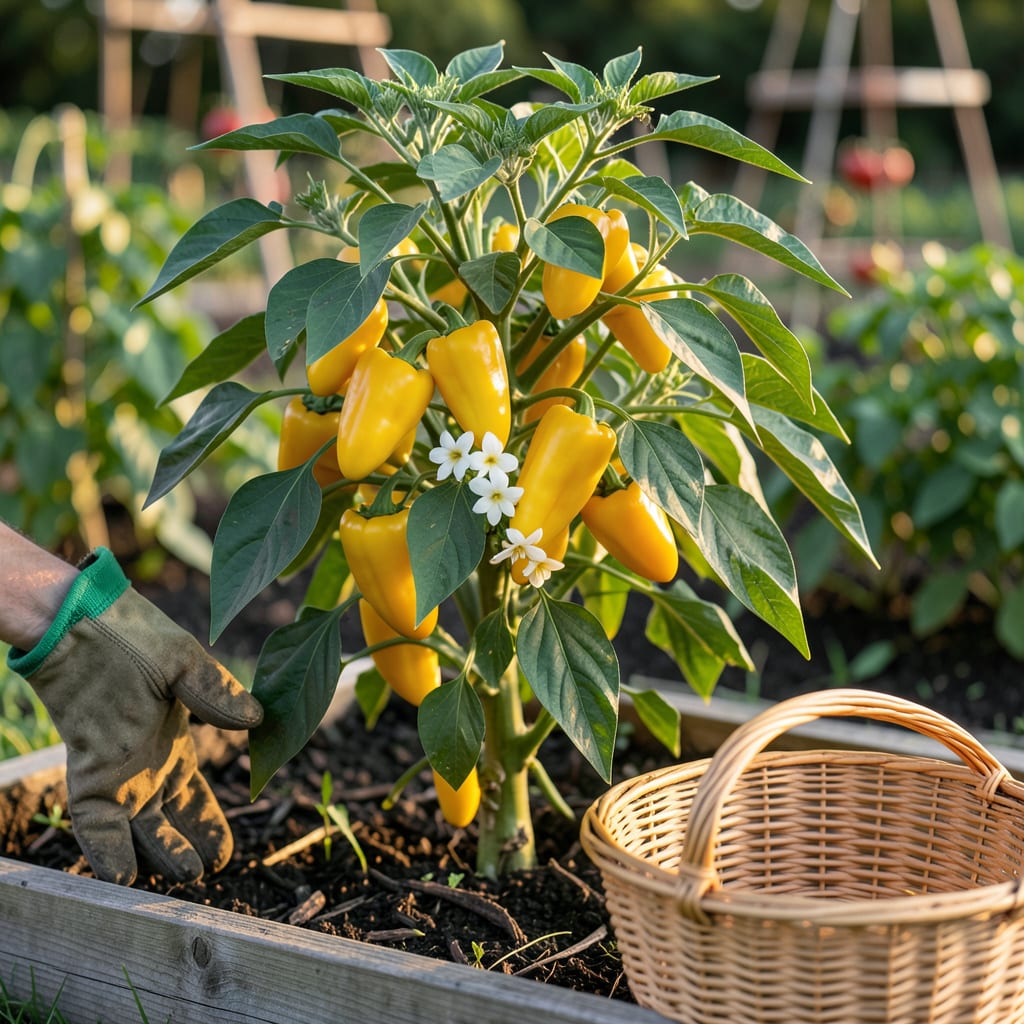
There’s nothing worse than waiting months for your 🌶️ Banana Peppers to ripen—only to pick them too soon (or too late). That split-second decision at harvest time can make or break your dish’s flavor, turning potential crunchy sweetness into a bitter disappointment.
I’ve learned the hard way that color isn’t the only clue. From the perfect give when squeezed to the telltale glossy sheen, I’ll show you the exact signs to watch for. No more guessing—just confident picking, every single time.


When your 🌶️ banana peppers start changing color, it’s easy to get excited—but don’t grab them just yet! The shift from green to yellow is just the first clue. I’ve found that the true ripeness hides in subtle details like skin texture and size.
Most gardeners miss the glossy sheen that appears when peppers are perfectly ripe. If the skin looks dull, they need more time. I’ll walk you through the exact visual cues to look for, so you never second-guess your harvest again.
| Stage | Color | Size | Texture |
|---|---|---|---|
| Too Early | Pale green 🟢 | Under 4″ 📏 | Very firm, glossy |
| Perfect Time | Bright yellow 🟡 | 4-6″ ✅ | Slight give, glossy |
| Overripe | Orange/red 🔴 | 6″+ or shriveled | Soft, wrinkled |
*Tip: Check peppers in morning light for truest color.
The size test is non-negotiable: anything under 4 inches is still developing. I use my index finger as a quick measure—if the pepper is shorter than my first knuckle, I leave it. The ideal length is 4-6 inches, where flavor peaks.
Watch for the color transition from green to bright yellow. Some varieties turn red when fully ripe, but most home gardeners grow the classic yellow banana peppers. The color should be uniform—no green streaks—before picking.
The glossy skin is your secret weapon. Ripe peppers have a slight sheen, almost like they’ve been polished. If the skin looks matte or dull, wait another 2-3 days and check again. This glossiness indicates peak sugar content.
Don’t ignore the stem connection. A ripe pepper will have a stem that’s still firm but slightly flexible. If the stem snaps when bent gently, the pepper is ready. If it’s rigid, give it more time on the plant.
For hotter varieties, the color deepens to orange or red. These take about 7-10 extra days beyond the yellow stage. I mark these with plant tags to avoid accidental early picking. The extra wait is worth it for that bold flavor.
If you’re growing heirloom banana peppers, they often have subtle stripes when ripe. These stripes should be bright and distinct, not faded. I’ve found these varieties need an extra week of sunshine to reach their full potential.
Remember, weather impacts ripeness. Cool nights slow the process, while heat waves can speed it up. I adjust my harvest schedule based on the 10-day forecast, picking earlier if temperatures will drop below 50°F.
Once you’ve mastered these signs, you’ll spot ripe peppers instantly. The key is daily observation—I do a quick plant walk every morning with my coffee. That’s how I catch the perfect harvest window every time. 🌿
Sometimes your 🌶️ banana peppers look ready, but looks can be deceiving. I’ve learned that the finger-squeeze test reveals more than color ever could. A perfectly ripe pepper should give just slightly—like a tennis ball—when pressed gently with your thumb.
If the pepper feels rock-hard, it’s not ready. But if your fingernail leaves a tiny dent that bounces back, you’ve hit the sweet spot. I test a few peppers daily once they turn yellow, because ripeness can vary even on the same plant.
*Pro tip: Test peppers in the early morning when they’re most turgid (plump with water).
The stem flexibility test is my secret weapon. Grab the pepper where it meets the stem and wiggle gently. A ripe pepper will detach with minimal effort, while an unripe one clings tightly. I use this for peppers hidden under leaves where color is hard to judge.
Don’t underestimate the scent test. Ripe banana peppers emit a faint, sweet aroma when you brush your fingers over them. If you smell nothing, they need more time. I’ve found this works best on warm, sunny days when plant oils are most active.
For absolute certainty, I do a taste test on one pepper per plant. Slice a tiny piece from the tip—if it’s sweet with just a hint of tang, the rest are ready. If it tastes grassy or bitter, give them 2-3 more days of sunshine.
Remember, weather affects ripeness tests. After heavy rain, peppers absorb extra water and feel artificially firm. I wait 24-48 hours post-rain to test again. Conversely, drought-stressed peppers may feel soft when they’re actually underripe—soak the soil first, then retest.
With these tests, you’ll never question ripeness again. I combine at least two methods for every harvest—usually the finger test and stem check—to guarantee perfect peppers every time. 🌿
Even experienced gardeners make critical errors when harvesting 🌶️ banana peppers. The most common mistake? Picking too early. I’ve seen gardeners harvest at the first sign of yellow, only to end up with bitter, underdeveloped peppers that lack sweetness.
Waiting too long is equally problematic. Overripe peppers become soft, lose their crisp texture, and often develop seedy, mushy interiors. I learned this the hard way after leaving peppers on the plant during a heatwave—what a waste of a perfect crop!
*Fix: Keep a harvest journal to track what works (and what doesn’t) each season.
Another mistake I see often is improper cutting technique. Using dull tools crushes stems, creating entry points for pests and rot. I keep a pair of sharp micro-tip snips dedicated to pepper harvests—they make clean cuts without damaging the plant.
Many gardeners forget that pepper plants keep producing if harvested correctly. If you tug peppers off, you risk uprooting the whole plant or breaking branches. I leave 1/2 inch of stem attached to avoid stressing the plant, which encourages more fruit set.
Timing matters more than you think. Harvesting during peak heat (10 AM–4 PM) causes peppers to lose moisture quickly, leading to wrinkled skin. I schedule my harvests for 7–9 AM when temperatures are cool and peppers are most turgid (plump with water).
Finally, don’t overlook post-harvest care. Leaving picked peppers in direct sun—even for 30 minutes—can cause sunburn spots. I place mine in a shaded basket immediately and move them indoors within an hour. This simple step preserves flavor and crispness for days. 🌿
Most banana peppers reach full yellow color in 60-70 days after flowering. The transition from green to yellow typically takes 7-10 days once it begins. Cooler weather can slow this process, while heat waves may speed it up.
Yes, but they won’t be as sweet or flavorful. Green peppers are technically edible but lack the full sugar development. If you must harvest early, wait until they’re at least 4 inches long and have lost their deep green hue.
Early morning (7-9 AM) is ideal when peppers are most turgid (plump with water). Avoid midday heat when peppers lose moisture quickly. Evening harvests work too, but morning-picked peppers stay crisper longer.
Some varieties naturally mature to red when fully ripe. If yours are turning red, they’re likely a hotter variety. For classic yellow peppers, harvest when they reach bright yellow to avoid overripening.
Overripe peppers become soft, wrinkled, or develop brown spots. The skin loses its glossy sheen and may feel leathery. If they’re over 6 inches long or starting to shrivel, you’ve waited too long.
