
Beautiful Plants For Your Interior
Beautiful Plants For Your Interior
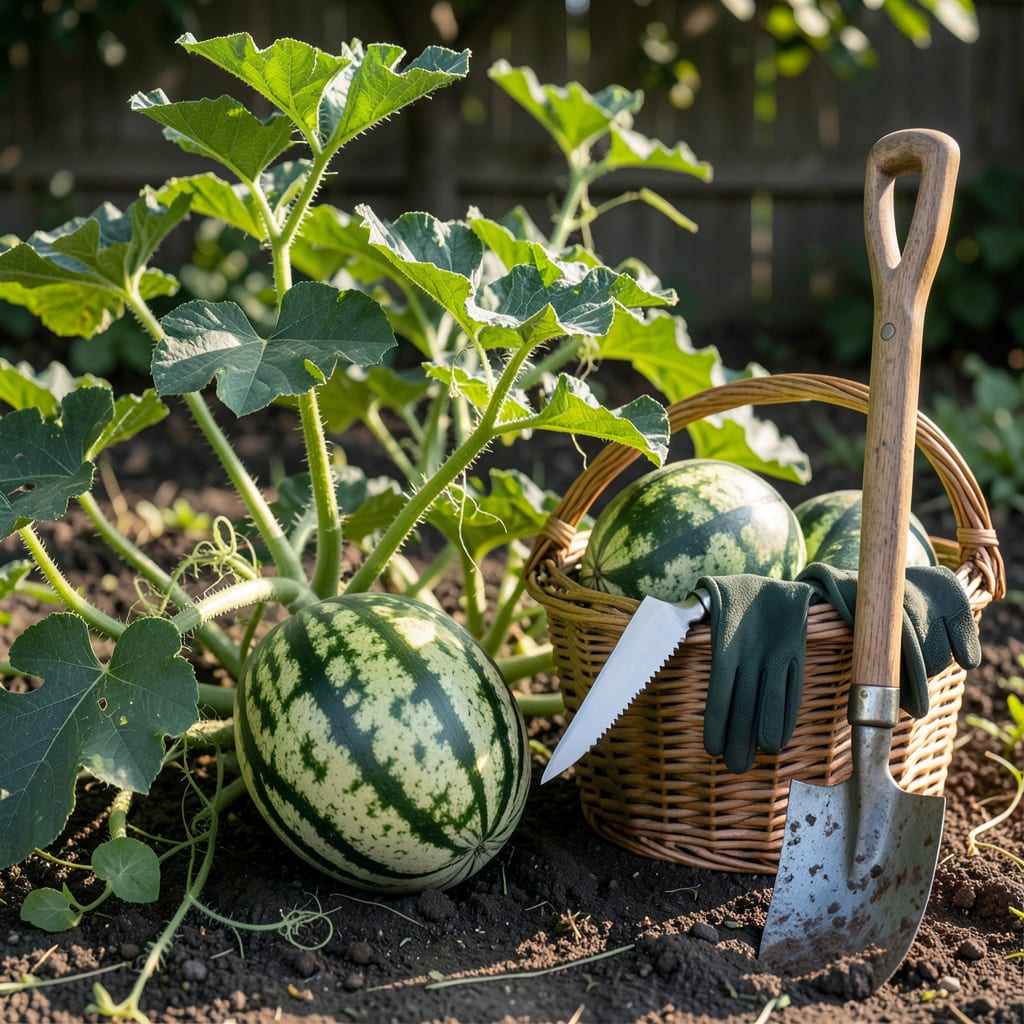
Nothing beats the disappointment of cutting into a homegrown 🍉 watermelon only to find it underripe—or worse, mushy and overdone. That perfect balance of sweetness and crisp texture depends entirely on picking at the right moment.
I’ll show you the 5 foolproof signs to check before harvesting, from the telltale yellow ground spot to the classic “thump test.” No guesswork, just juicy rewards—every time. Let’s get started.


After months of tending your vines, the moment of truth arrives: Is your watermelon ready? Unlike store-bought melons, homegrown ones won’t have a sticker telling you. But don’t worry—I’ve perfected these 5 foolproof tests to guarantee sweet, juicy results every time.
First, forget the old myth that watermelons ripen after picking. Once separated from the vine, they won’t get sweeter—only softer. That’s why timing is everything. Let’s break down the science-backed signs I rely on in my own garden, starting with the most obvious visual clues.
The ground spot is my favorite indicator because it’s foolproof. As the melon ripens, the chlorophyll breaks down where it touches the soil, turning from white to yellow. For varieties like ‘Black Diamond’, this spot may even develop a slight orange tint when fully ripe.
Now, let’s talk about the tendril test. This curly vine near the fruit’s stem is directly connected to the melon’s maturity. When it dries up and turns brown, the fruit is typically ready. I’ve noticed this happens 1-2 days before the ground spot fully develops, giving you a helpful heads-up.
The thump test requires practice, but it’s worth mastering. A ripe watermelon sounds like you’re knocking on a door—deep and resonant. An unripe one gives a high-pitched, metallic ring. Overripe melons sound dull, almost like thumping your chest. Try it on a few melons to train your ear.
Don’t overlook the stem connection. A watermelon that’s truly ready will often separate easily from the vine with minimal effort. If you’re tugging hard, it’s not ready. Forced picking can damage both the fruit and vine, so patience pays off here.
Size matters too! Most watermelons reach their full size about a week before ripening. For example, ‘Sugar Baby’ should measure 8-10 inches in diameter, while ‘Crimson Sweet’ can grow to 12+ inches. Always check your seed packet for variety-specific targets.
Here’s a pro tip: Check your melons in the morning when temperatures are cooler. Heat can soften the rind, making unripe fruits feel deceptively ready. I’ve made this mistake before—waiting until evening gave me a more accurate test.
Remember, no single test is perfect. I always use at least 3 of these signs together for the best results. When the ground spot is yellow, the tendril is brown, and the thump sounds hollow, you’ve got a winner. Now grab your knife and enjoy that sweet reward! 🍉
Not all watermelons ripen the same way. While the ground spot and tendril drying are universal signs, some varieties have unique cues. I’ve grown everything from tiny ‘Sugar Baby’ to giant ‘Crimson Sweet’—here’s how to spot their differences.
For example, seedless watermelons often mature faster but lack the classic hollow thump. Instead, watch for dull rind texture and a creamy yellow underside. Heirlooms like ‘Moon and Stars’ may take longer, so patience is key.
| Variety | Days to Maturity | Key Ripeness Sign |
|---|---|---|
| Sugar Baby | 75-80 | Deep green rind, small size (6-8 lbs) |
| Crimson Sweet | 85-90 | Bright yellow ground spot, heavy weight |
| Seedless (e.g., Tri-X-313) | 70-75 | Dull skin, no hollow sound |
Climate plays a role too. In hotter zones, watermelons may ripen 5-7 days faster than the seed packet claims. I’ve noticed my ‘Charleston Gray’ melons in Zone 7 often finish a week early during heatwaves.
For icebox varieties (like ‘Golden Midget’), focus on size—they’re ready when they fit in your palm. Larger types, such as ‘Carolina Cross’, need extra time; check the stem connection for slight loosening.
Pro tip: If you’re growing orange-fleshed varieties (like ‘Orangeglo’), the ground spot turns a deeper orange instead of yellow. Always cross-check with the tendril test—it’s the most reliable backup.
Remember, hybrid varieties (marked “F1”) are bred for uniformity, so their ripeness signs are more predictable. Save seeds from heirlooms? Expect more variation—some fruits may ripen earlier or later on the same vine.
When in doubt, harvest one test melon first. Slice it open to gauge sweetness and texture, then adjust your timing for the rest. This trick has saved me from many disappointing harvests!
Timing is everything when harvesting watermelons. Pick too soon, and you’ll get a bland, crunchy disappointment—no matter how long it sits on your counter. Wait too long, and the flesh turns mushy and mealy, losing that perfect crisp texture we all love.
I’ve made both mistakes in my garden, and let me tell you: an underripe watermelon tastes like cucumber water, while an overripe one collapses into a sad, stringy mess. The good news? You can often salvage slightly mistimed harvests with the right techniques.
An underripe watermelon isn’t a total loss. I’ve had success turning them into refreshing agua fresca by blending with lime and mint. The high water content still makes them great for hydrating drinks, even if they lack sweetness for fresh eating.
For overripe melons, your best bet is quick action. Cut away any fermented sections, then use the remaining flesh in sorbets or granita. The concentrated sugars actually work well in frozen treats. Just avoid baking—the texture won’t hold up.
Here’s a critical tip: Check your vine’s health before harvesting. If the plant is struggling with powdery mildew or pests, the fruit may ripen unevenly. I once harvested what looked like a perfect melon, only to find one side underripe because the vine was diseased.
Remember, watermelons don’t ripen after picking like some fruits. That’s why I always do the tendril test and ground spot check together—they’re the most reliable combo. When in doubt, leave it on the vine one more day. Patience really does pay off with watermelons! 🍉
Most watermelons need 30-50 days from flowering to full ripeness, depending on the variety. Smaller types like ‘Sugar Baby’ mature faster (around 75 days total), while larger heirlooms may take 90+ days. Always check your seed packet for exact timelines.
No, watermelons won’t ripen after picking like tomatoes or avocados. They may soften but won’t develop sweeter flavor or redder flesh. If picked early, they’ll stay bland—best to leave them on the vine until fully mature.
A dull thud usually means the melon is overripe. A ripe watermelon should produce a deep, hollow sound—like tapping your chest. If it sounds flat, the flesh inside is likely mushy and past its prime.
Size alone isn’t a reliable sign, but most varieties reach full size about a week before ripening. For example, ‘Crimson Sweet’ should measure 12+ inches in diameter when ready. Always combine size checks with other tests like the ground spot.
Morning is ideal! Cooler temperatures give the most accurate tests. Heat can soften the rind, making unripe melons feel deceptively ready. I’ve found evening checks often lead to premature picking—wait until temps drop for reliable results.
