
Beautiful Plants For Your Interior
Beautiful Plants For Your Interior
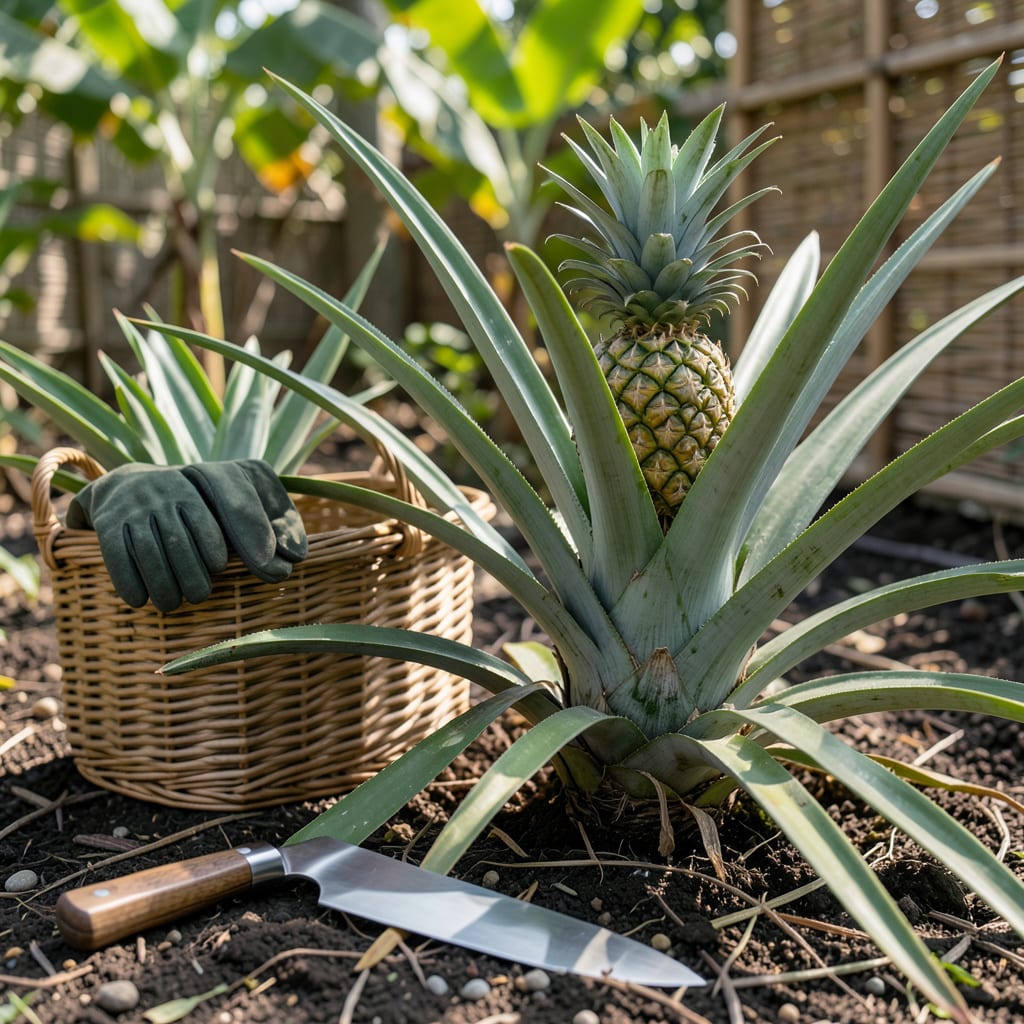
That moment when you’re staring at your pineapple plant, wondering: Is it ready or not? Pick too soon, and you’ll get a mouth-puckering disappointment. Wait too long, and that golden sweetness turns to fermented mush overnight.
After years of trial (and error), I’ve nailed the foolproof signs—like the leaf-pull test—that guarantee perfect ripeness every time. No guesswork, no wasted fruit. Let’s cut through the confusion and get you that juicy, sun-ripened reward you’ve been waiting for.


If you’ve ever stood in your garden staring at a pineapple wondering, “Is it ready yet?“—you’re not alone. The leaf-pull test is my go-to trick for homegrown pineapples because it’s more reliable than just color. Unlike store-bought fruit, your backyard pineapple won’t have a “ripe” sticker!
Timing matters: pick too soon and you’ll get a mouth-puckering sour bite, but wait too long and the flesh turns mushy. I learned this the hard way after ruining three pineapples my first season. The good news? With this 3-step method, you’ll nail the perfect harvest window every time.
Pro Tip: Perform this test in the early morning when plant tissues are most turgid for accurate results.
The leaf test works because pineapples ripen from the base upward. As the fruit matures, the cellular structure softens, making leaves easier to detach. I like to pair this with a gentle squeeze test—ripe pineapples yield slightly under pressure, like a firm avocado.
Don’t rely on color alone! While most pineapples turn golden-yellow when ripe, some varieties (like Queen pineapples) stay partially green. The base of the fruit should develop a sweet, tropical aroma—if you can’t smell anything, it’s not ready yet.
Here’s what I watch for in my garden: Size matters—most homegrown pineapples reach 4-6 pounds at maturity. Measure against a standard soccer ball for reference. Also check the “eyes” (those hexagonal bumps)—they should flatten slightly as the fruit ripens.
Avoid these common mistakes I see gardeners make: Twisting the fruit (this damages the plant) or pulling leaves from the sides (only the center leaves give accurate results). And never yank hard—if it doesn’t come free with gentle pressure, walk away and test again in 2-3 days.
For tropical climates, watch the growing degree days. Pineapples typically need 18-24 months from planting to harvest. In my Zone 9 garden, I start testing when nights stay above 65°F—that’s when the fruit’s sugar content peaks. Cooler climates may need to monitor soil temperature at the plant’s base.
After harvesting, let your pineapple sit at room temperature for 1-2 days to fully develop its flavors. Unlike store-bought fruit, homegrown pineapples continue ripening slightly off the plant. Store it stem-side down to distribute sugars evenly—this little trick makes a noticeable difference in sweetness!
Remember: A perfectly ripe pineapple will have vibrant color, a sweet scent at the base, and leaves that pull free with just the right resistance. When all three signs align, it’s time to celebrate—you’ve earned that first juicy bite of homegrown tropical goodness! 🌱
Not all pineapples ripen the same way—variety matters when deciding harvest time. Hilo pineapples turn golden-yellow at the base first, while Kona Sugarloaf stays greenish even when ripe. I’ll break down the key differences so you don’t miss your window.
For home growers, Queen pineapples are the trickiest—they’re smaller and ripen faster than other types. I’ve seen gardeners mistake their compact size for immaturity, only to realize too late they’ve overripe fruit. Let’s compare the top three varieties side by side.
| Variety | Ripeness Signs | Size at Maturity | Seasonal Timing |
|---|---|---|---|
| Hilo | Golden base, sweet aroma | 3-4 lbs | 18-24 months |
| Kona Sugarloaf | Green skin, easy leaf pull | 2-3 lbs | 16-20 months |
| Queen | Yellow streaks, firm but yielding | 1-2 lbs | 14-18 months |
💡 Pro Tip: Kona pineapples often ripen 2-3 weeks earlier in warm climates.
If you’re growing Hilo pineapples, watch for the base turning yellow—this is your first clue. I’ve found they also develop a stronger sweet scent at the stem when ready. Don’t wait for full yellow; a 30% color change is enough for harvesting.
Kona Sugarloaf is the sneakiest—it stays green but ripens internally. The leaf-pull test is critical here. Gently tug a center leaf; if it slides out with minimal resistance, it’s time. I’ve lost count of how many gardeners miss this and harvest too late.
For Queen pineapples, size isn’t the best indicator. Instead, look for yellow streaks along the fruit and a slight softening at the base. These are smaller but pack intense flavor—perfect for container gardeners with limited space.
Remember, tropical climates speed up ripening. If you’re in Zone 10-11, check your pineapples weekly once they near maturity. In cooler areas, add 2-4 extra weeks to the timeline. When in doubt, trust the leaf test over color alone.
Store-bought pineapples are often picked early for shipping, but your homegrown fruit deserves better. Use these variety-specific cues, and you’ll enjoy juicier, sweeter pineapples than any grocery store could offer. 🌿
Timing is everything when harvesting pineapples. Pick too soon, and you’ll bite into a starchy, sour disappointment—the fruit won’t ripen further off the plant. Wait too long, and the flesh turns mushy with a fermented aftertaste that ruins its tropical sweetness.
An underripe pineapple lacks natural sugars and has a tough, fibrous texture. The green “eyes” (the bumpy sections) stay hard, and the base won’t emit that telltale sweet aroma. Overripe fruit, meanwhile, develops dark spots and may even start leaking juice at the base.
If you’ve picked a slightly underripe pineapple, try this emergency fix: Place it in a paper bag with a ripe banana for 24-48 hours. The ethylene gas from the banana can soften the texture slightly—but it won’t magically create sugar.
For overripe fruit, your best bet is to cut and freeze the flesh immediately. Use it in smoothies where texture matters less. Remember, pineapples don’t ripen after picking like bananas—they only soften, so timing the harvest is critical.
In tropical climates, pineapples ripen faster due to heat and humidity. Check your plants daily once they start showing color. A perfectly ripe pineapple should have golden-yellow skin, a sweet smell at the base, and leaves that pull free with gentle pressure.
Start testing when the fruit reaches full size (about 4-6 pounds for most varieties). In tropical climates, check every 2-3 days once color begins changing. Cooler areas can extend this to weekly checks.
Focus on the base color and leaf resistance rather than just size. Pineapples ripen quickly in heat, so daily monitoring is wise when you notice the first golden hues.
Pineapples don’t ripen after picking like bananas—they only soften. However, you can encourage natural ripening by placing a paper bag over the fruit while it’s still on the plant for 2-3 days.
Avoid commercial ripening sprays; they often create uneven sweetness. Patience pays off—natural ripening yields the best flavor and texture.
This usually means the base is ripening faster than the crown. Test leaves at different positions—center leaves should release first. If only the outer leaves resist, give it another 3-5 days before retesting.
Tropical humidity can accelerate base ripening while the top catches up. Trust the leaf test over aroma in this case.
Varieties like Kona Sugarloaf remain green even when fully ripe. Focus on the leaf-pull test and base aroma instead of color. Queen pineapples may show yellow streaks, while Hilo types develop golden bases.
When in doubt, compare with variety-specific guides—they’re more reliable than color alone.
