
Beautiful Plants For Your Interior
Beautiful Plants For Your Interior
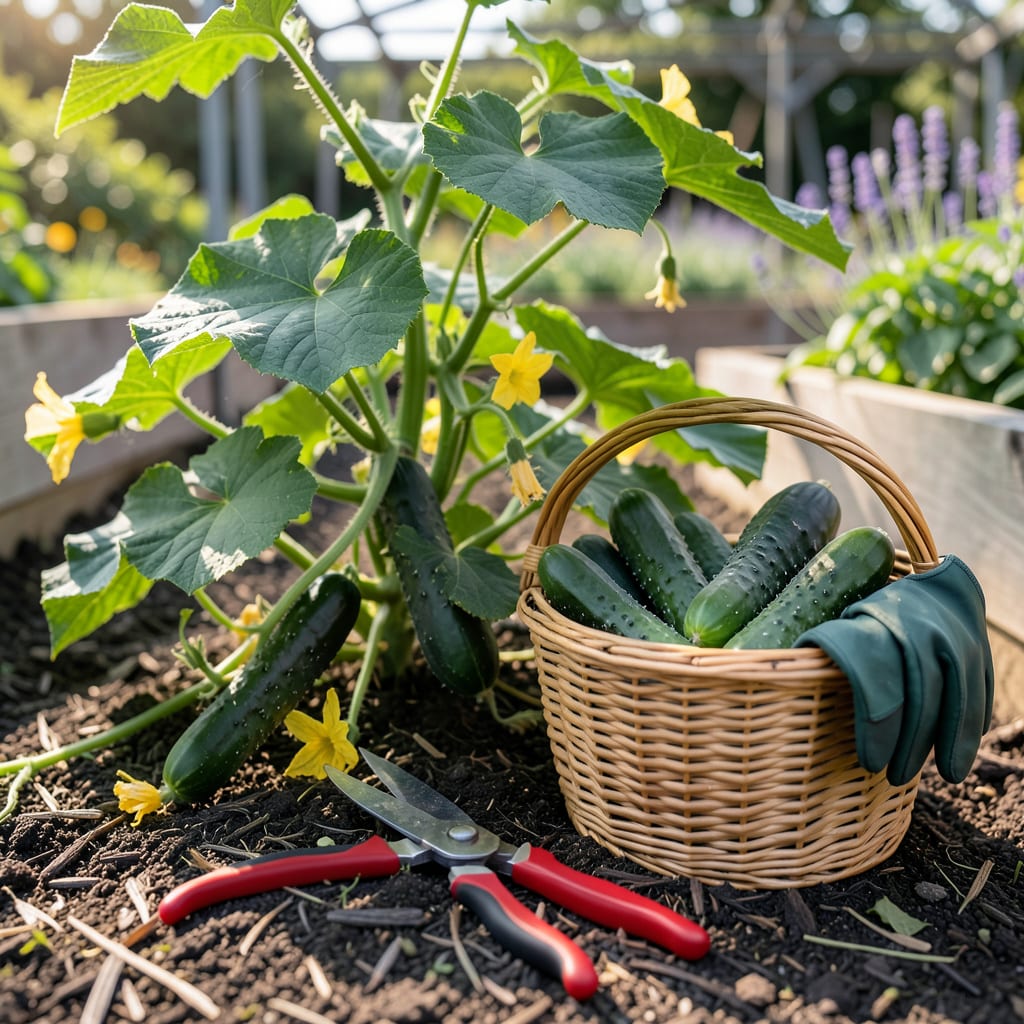
There’s nothing worse than spending weeks nurturing your 🥒 cucumber plants, only to end up with pickles that are either mushy or bitter. The secret to that perfect crunch and tangy flavor? Picking your cucumbers at just the right moment—not a day too soon or too late.
I’ve learned the hard way that timing makes all the difference. Whether you’re growing ‘Boston Pickling’ or ‘National Pickling’ varieties, I’ll show you the 5 clear signs to watch for. No more guesswork—just perfectly crisp pickles every time.


When I first started growing pickling cucumbers, I made the mistake of waiting until they looked “big enough.” Big mistake! The perfect picking window is surprisingly narrow—just 24-48 hours in some cases. Let me show you exactly what to look for so you never miss it again.
Unlike slicing cucumbers, pickling varieties like ‘Boston Pickling’ or ‘National Pickling’ need to be harvested young. Their ideal stage is when they’re still slightly immature—that’s what gives you that signature crunch. Here’s how to spot the perfect moment.
The size test is your first clue. I keep a ruler in my garden toolkit because pickling cucumbers grow incredibly fast—what was perfect yesterday might be too big today. For cornichons, aim for 1-2 inches; for bread-and-butter pickles, 3-4 inches is ideal.
Color tells you more than you think. A dull green means it’s not ready, while yellow tips signal it’s past prime. The gold standard? A vibrant, almost glossy green that looks like it’s practically glowing in your garden. This indicates peak sugar content for fermentation.
Here’s my pro trick for the firmness test: Gently press your fingernail into the skin. If it leaves a slight indentation that bounces back, it’s perfect. If it stays dented, you’ve waited too long. The skin should feel smooth but substantial—like a firm avocado.
Don’t ignore the stem end—this is where many gardeners go wrong. A fresh cucumber will have a stem that’s still moist and flexible. If it’s starting to look shriveled or brown, the cucumber is past its prime and will give you soft pickles. I check this daily during harvest season.
The spine test is my secret weapon. Run your fingers along the cucumber—those tiny white spines should come off easily on a ripe specimen. For an extra check, rub the cucumber with a paper bag. If spines transfer to the bag, it’s ready. This indicates the skin is tender enough for brine penetration.
Timing matters too—morning harvests give you the crispiest cucumbers because they’re full of overnight moisture. I set my alarm for 7 AM during peak season to beat the heat. The cucumbers will actually lose crispness as the day gets hotter, so don’t wait until afternoon!
Remember that pickling cucumbers mature faster than slicing varieties—sometimes in as little as 50 days from planting. I mark my calendar at 45 days to start daily checks. The window between “perfect” and “overripe” can be shockingly short, especially in hot weather.
One final tip: If you’re growing heirloom varieties, watch them even more closely. They often mature faster than hybrids. I learned this the hard way when my ‘Little Leaf’ cucumbers went from perfect to seedy in just 36 hours during a heatwave. Now I check twice daily when temperatures climb above 85°F.
When in doubt, pick it! You can always make refrigerator pickles with slightly underripe cucumbers, but you can’t fix an overripe one. Trust me—your future self will thank you when you’re enjoying that perfect crunchy bite months later. 🥒🌱
After years of growing pickling cucumbers, I’ve learned that size is everything when it comes to that perfect crunch. Different varieties have very specific ideal lengths, and missing this target by even an inch can mean the difference between crisp pickles and disappointing jars.
What most gardeners don’t realize is that pickling cucumbers should be harvested when they’re technically still immature. This is what gives them that signature snap. Let me show you the exact measurements to aim for with different varieties, so you’ll never have to guess again.
| Variety | Ideal Size | Best For | Days to Maturity |
|---|---|---|---|
| Boston Pickling | 3-5 inches | Dill spears | 55-65 days |
| National Pickling | 2-4 inches | Gherkins | 50-55 days |
| Calypso | 4-6 inches | Bread & butter | 58-62 days |
| Excelsior | 3-5 inches | Sweet pickles | 52-58 days |
| Little Leaf | 2-3 inches | Cornichons | 48-52 days |
The size range is crucial because it directly affects how well your cucumbers absorb brine. Smaller cucumbers like cornichons (2-3 inches) will give you the crispiest results because their dense flesh resists turning mushy during fermentation. I always keep a small ruler in my garden apron for quick measurements.
For dill spear pickles, I recommend harvesting at the lower end of the size range (3-4 inches) if you want extra crunch. The Boston Pickling variety is particularly forgiving in this size range, maintaining good texture even at 5 inches. Just don’t let them grow beyond that point!
Here’s a pro tip: The growth rate accelerates as cucumbers approach maturity. What starts as a 2-inch cucumber can become a 6-inch monster in just 24-48 hours during hot weather. That’s why I check my plants twice daily when temperatures exceed 85°F.
Remember that overripe cucumbers develop larger seeds and thicker skins, which makes them less ideal for pickling. The seeds become bitter and the flesh turns spongy—exactly what you don’t want in your jars. When in doubt, pick them smaller rather than larger for the best texture.
I’ve found that morning harvesting gives the best results because cucumbers are at their crispiest after a cool night. The tissues are fully hydrated, which translates to better texture in your finished pickles. Always use clean, sharp pruning shears to avoid damaging the vine.
One final piece of advice: Don’t be afraid to harvest frequently. Regular picking actually encourages more production from your plants. I’ve had my best yields when harvesting every 2-3 days during peak season. Your plants will thank you with more cucumbers! 🥒🌿
I’ve made both mistakes in my gardening journey—picking cucumbers too soon and waiting too long—and let me tell you, neither leads to good pickles. The timing window for pickling cucumbers is surprisingly narrow, and missing it can ruin your entire batch. Let’s break down exactly what happens at each extreme.
When you pick cucumbers too early, they lack the sugar content needed for proper fermentation. These underripe cucumbers will give you soft, bland pickles that lack that satisfying crunch. The flesh hasn’t developed enough structure, so it turns mushy during brining. I learned this when my first batch of pickles ended up with the texture of overcooked zucchini.
On the other hand, overripe cucumbers develop large seeds and thick skins that make them nearly useless for pickling. The seeds become bitter and the flesh turns spongy—exactly what you don’t want in your jars. I once waited three extra days during a heatwave, and my cucumbers went from perfect to yellow and seedy almost overnight.
The bitterness in overripe cucumbers comes from cucurbitacins, compounds that increase as the fruit matures. These compounds are concentrated in the skin and seeds, which is why overripe cucumbers taste so unpleasant. The thick skin also prevents proper brine penetration, leading to uneven flavor in your finished pickles.
Here’s what I do when I’ve missed the perfect window: For slightly underripe cucumbers, I make refrigerator pickles with a stronger vinegar solution (1:1 vinegar to water ratio) to compensate for the lack of natural sugars. For overripe cucumbers, I peel them and use only the flesh for relish or quick pickles, discarding the bitter seeds and tough skin.
Remember that heat accelerates ripening—what might be perfect today could be overripe tomorrow in hot weather. That’s why I check my plants twice daily when temperatures exceed 85°F. The difference between a perfect pickle and a disappointing one can be just 12 hours of growth in summer heat. 🥒🌡️
Check your plants daily once they start producing. In hot weather (above 85°F), inspect them twice a day—morning and evening. Growth can happen surprisingly fast!
I’ve seen cucumbers grow from perfect to overripe in just 24 hours during summer heatwaves. Set a reminder to check consistently.
Harvest in the early morning when cucumbers are at their crispiest. The cool night air keeps them hydrated and firm, which translates to better texture in your pickles.
Avoid afternoon picking when plants are stressed from heat. I aim for 7-9 AM for optimal results.
Yellow cucumbers are overripe and will give you soft, bitter pickles. However, you can still use them for refrigerator pickles or relish by peeling and removing seeds.
For best results, stick to bright green cucumbers. When in doubt, pick them smaller rather than larger.
Mushy pickles usually come from overripe cucumbers or improper harvesting. Always pick at the right size (2-6 inches) and handle gently to avoid bruising.
Soaking in ice water for 1-2 hours before pickling can help maintain crispness.
Underripe cucumbers feel very firm with no give when squeezed. They’ll also appear dull green rather than vibrant, and the spines won’t rub off easily.
These can still be used for pickling but may need extra time in brine. Check size against your variety’s ideal range.
